T
he first version of this piece appeared in CNBC’s Property Play newsletter, co‑authored with Diana Olick. Property Play delivers weekly insights on emerging real‑estate trends for everyone from individual investors to institutional players and large public firms. Subscribe to receive the next issue straight to your inbox.
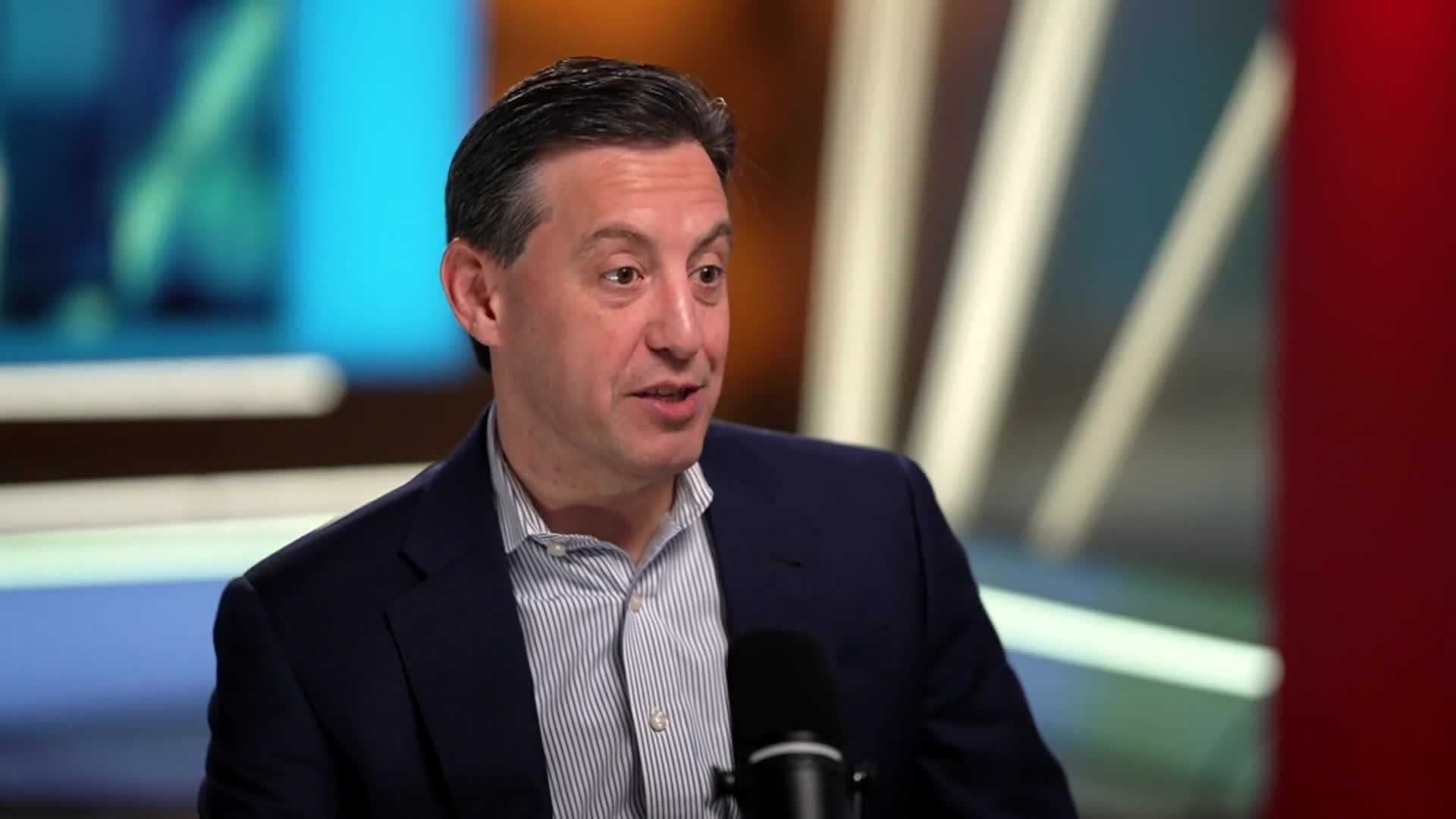
Fernando de Leon, the founder of Leon Capital Group, began a small lot‑development venture in 2004 with a $100,000 seed fund and grew it into a $10 billion commercial‑real‑estate empire. He attributes his success to spotting distress early, tracking where capital flows, and applying lessons from his Harvard degree in evolutionary biology. While the 2008 financial crisis wiped out many, De Leon was already building wealth. After leaving a role at Goldman Sachs, he focused on residential lot deals and, within a year, recognized early signs of a looming downturn—subprime mortgage stress and overbuilding. “We saw fundamental weaknesses,” he told Property Play, “so we sold positions, liquidated, and waited.” Between 2008 and 2012, the firm pivoted to become a fixer, negotiating with banks, insurance companies, and other lenders to resolve troubled assets. This turnaround experience later proved invaluable during the pandemic.
In 2021, De Leon sold several billion dollars of real‑estate holdings, citing high prices driven by low rates, market euphoria, and misaligned incentives. “You can spot where capital originates,” he explained. “When the wrong players enter the market and the supply chain is distorted, pricing becomes skewed.” He now sees similar warning signs in the data‑center sector.
Despite big names like Blackstone, KKR, and Bain Capital investing heavily, De Leon remains cautious. “I can’t reconcile a $10 billion data‑center valuation,” he said. “There are no comparable exits above $4–5 billion, and the largest tech firms—worth trillions—prefer not to own these assets.” He attributes this to the AI focus of hyperscalers, who want to build and finance rather than hold the physical infrastructure. De Leon believes the true value lies inside the centers, not the buildings themselves, and that AI’s self‑optimizing nature could render current technology obsolete. He also worries that long‑term leases, often 15–20 years, are “Swiss cheese” contracts with hidden gaps. His biggest concern is that private‑capital investors, backed by pension funds for teachers, police, and firefighters, are risking others’ money by leasing to hyperscalers.
De Leon’s background in evolutionary biology began in his teens, when he worked as a translator for a Texas developer and asked for equity instead of a salary. He chose biology over business school because understanding human behavior is crucial to commerce. “Incentives drive all commercial interactions,” he said. “Recognizing the status quo of incumbents gives you a strategic edge.” This perspective helped him navigate established markets and identify competitive advantages.
Looking ahead, De Leon is optimistic about the influx of capital into commercial real estate from wealth firms, family offices, sovereign funds, and pensions. “If real‑estate allocations rise from 3% to 6%, that’s an additional $4 trillion chasing a finite asset pool,” he noted. “An oversupply of capital will push prices up for fundamentally sound properties.” He predicts that the next decade will see the real‑estate capital market expand tenfold.