M
iami’s real‑estate market is being reshaped by an influx of ultra‑wealthy buyers who treat land as a commodity rather than a home. The result is a new breed of transactions in which adjacent parcels are merged to create estates whose combined value exceeds that of the individual lots, especially along the waterfront.
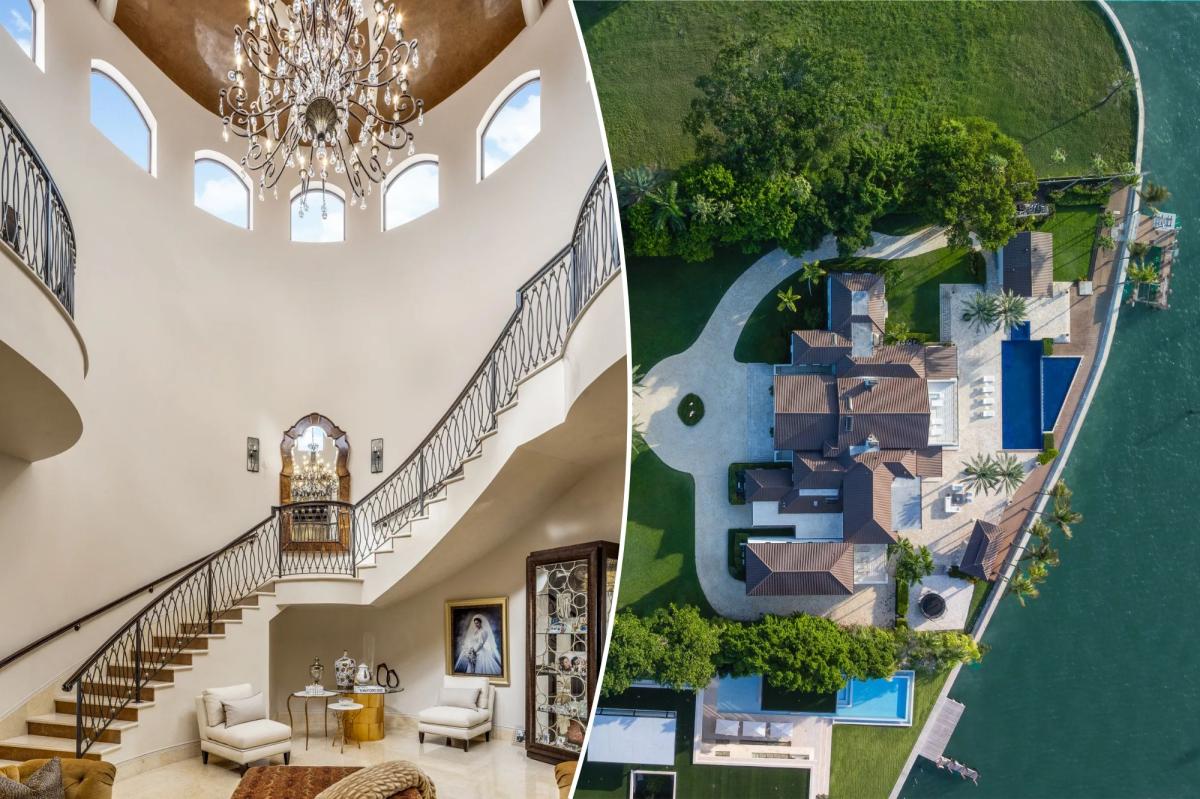
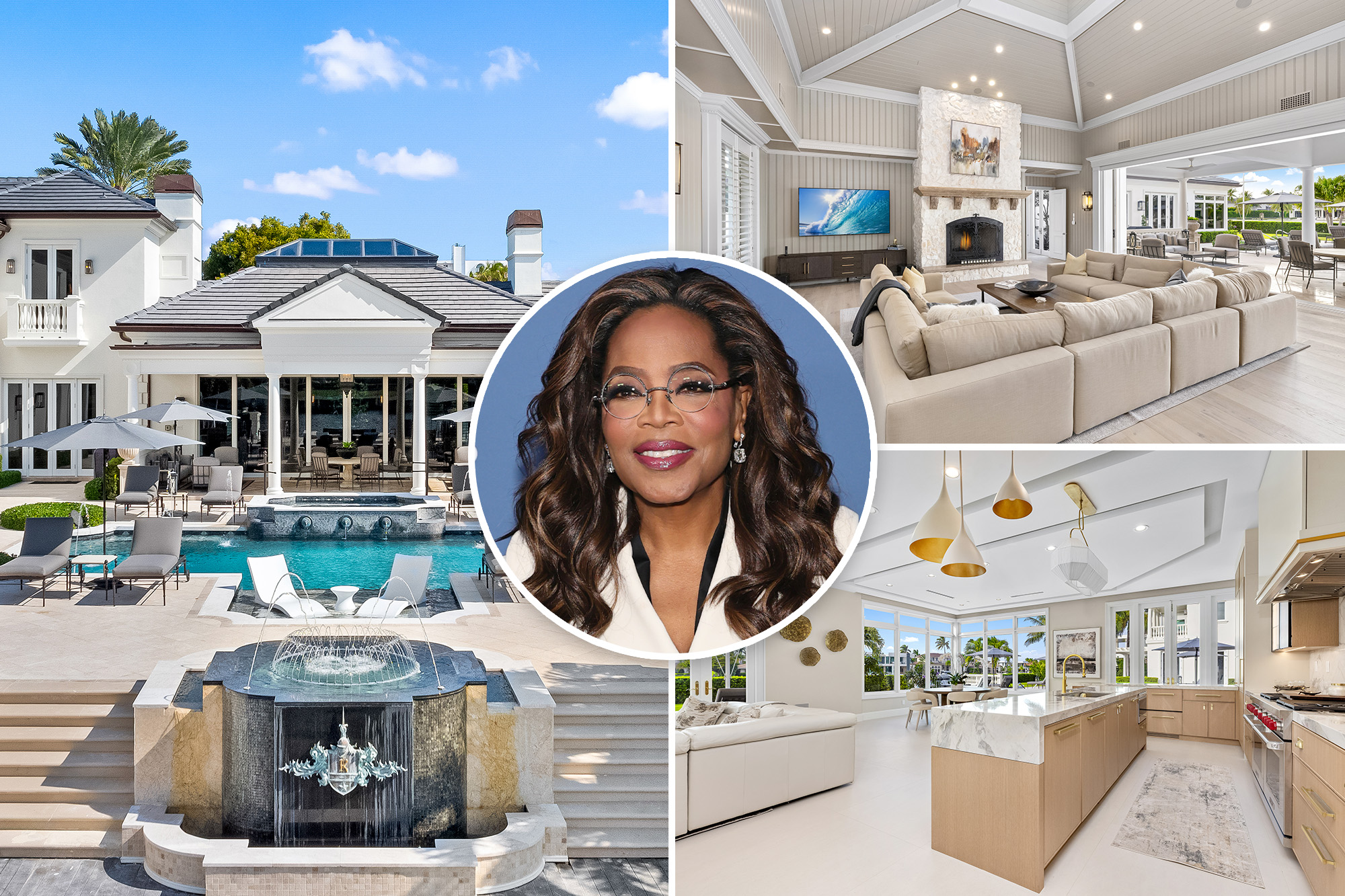
The most expensive listing is a 22,000‑square‑foot mansion on La Gorce Island, asking $169 million. Located at 5940 N. Bay Road, the eight‑bedroom, 16‑bath estate sits on 2.3 acres and boasts 290 feet of shoreline. Built in 1936, it is the highest‑priced publicly listed property in Miami. Many buyers see it more as a demolition site: a new 30,000‑square‑foot home with every modern amenity could fetch nearly twice the asking price, says Bespoke Real Estate’s Brett Harris. The same parcel sold for $2.3 million in 2001, illustrating how the ultra‑rich are distorting the market.
On Palm Island, three mansions at 190, 198, and 210 N. Biscayne Point Road are being marketed as a single, 90,000‑square‑foot compound. Together they offer 21 bedrooms, 25 full baths, 35,385 square feet, three pools, and space for about 20 cars, all backed by 300 feet of continuous waterfront and yacht docking. The combined listing price is $148.5 million. Fredrik Eklund of Douglas Eliiman notes that the parcel’s size—over two acres—provides privacy, security, and a trophy asset rare on a private island near South Beach.
For those who are not yet billionaires, there are still opportunities to assemble a compound. Two adjacent lots at 1155 and 1165 N. Biscayne Point Road on Miami Beach are listed for $18.9 million. The 22,500‑square‑foot properties together feature seven bedrooms, seven baths, 150 feet of waterfront, and two pools. Dina Goldentayer of Douglas Elliman explains that the price differential between neighboring parcels can be as high as 20 percent, making the acquisition of an adjacent lot a strategic move for buyers who can afford it. Rather than expanding living space, many investors demolish one structure and use the extra land for amenities such as wellness pavilions, padel courts, or additional parking.
Padel has become a staple of Miami’s luxury lifestyle. Harris notes that some clients are building two padel courts on a single property—one for family training and another for hosting tournaments—highlighting the demand for specialized recreational spaces.
In short, Miami’s real‑estate scene is evolving to accommodate buyers who value land for privacy, exclusivity, and trophy assets, whether through demolition of historic homes or consolidation of neighboring lots.