O
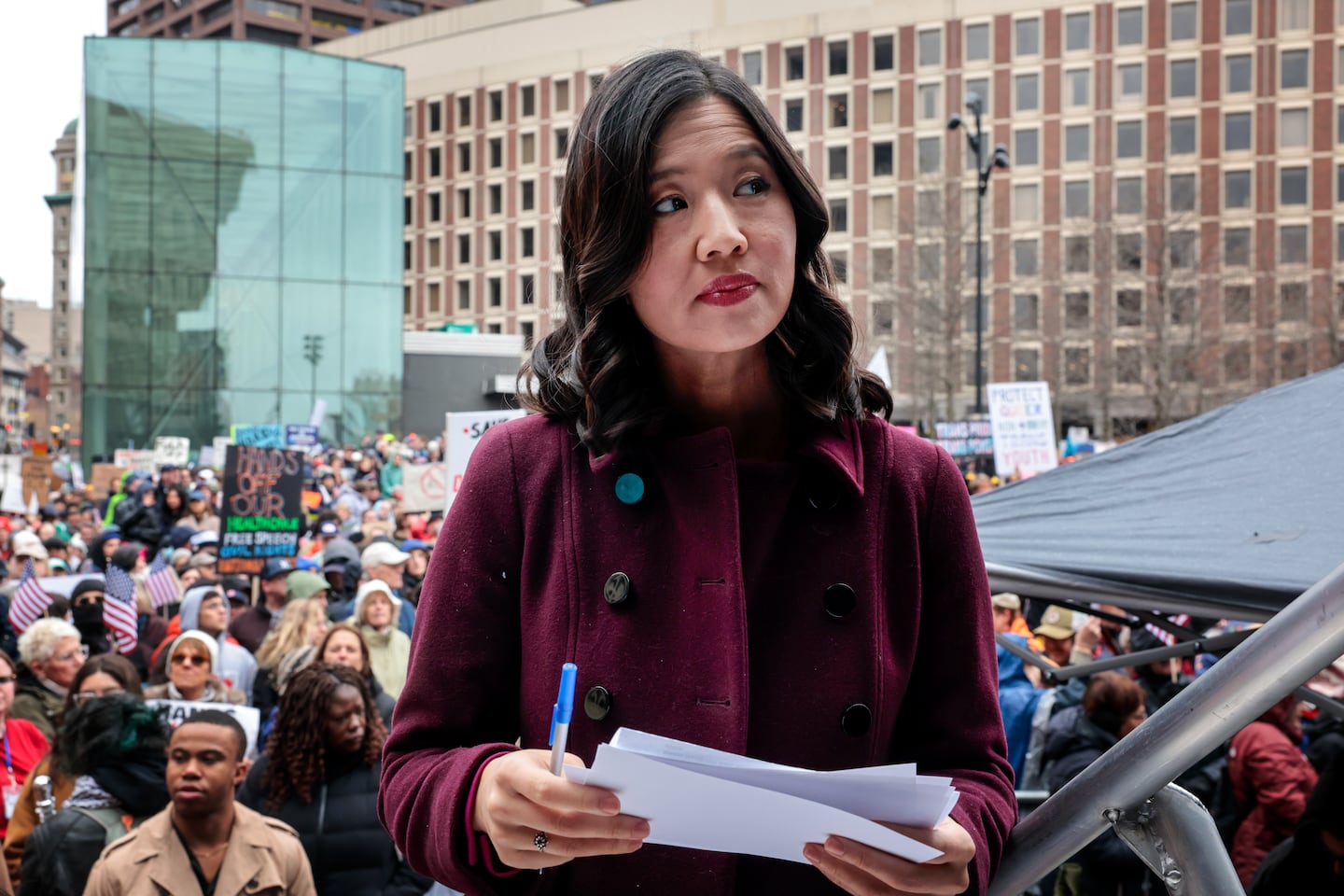
thers claim Wu’s actions are generous, yet the relationship between the mayor and developers is effectively nonexistent. During the campaign, prominent developer Tom O’Brien flirted with a run against Wu, while key real‑estate figures—Suffolk Construction CEO John Fish and an entity linked to WS Development chief Jeremy Sclar—planted large sums into a super PAC that backed Wu’s challenger, Josh Kraft. Wu survived the primary, crushing Kraft so decisively that he withdrew. The victory emboldened her to push policies that have long been unpopular with developers.
Last week, Wu re‑announced a plan to raise commercial property taxes, a move intended to stave off a larger residential tax hike. This is the second round of a tax battle that began last year when the mayor struck a short‑lived deal with business groups that would have temporarily increased commercial rates. The agreement collapsed spectacularly. Wu still holds the business groups responsible for breaking the compromise and blames State Senator Nick Collins for allowing her proposal to die on Beacon Hill. In turn, business leaders and Collins accuse Wu of relying on faulty projections that overstated last year’s residential tax increase. The divide has deepened.
NAIOP, the national commercial‑real‑estate association, immediately condemned the mayor’s proposal. The Greater Boston Chamber of Commerce initially ignored it, then dismissed it. “Instead of raising costs and complicating development, we urge policymakers to focus on strategies that foster economic growth, strengthen our commercial sector, and create jobs for residents,” CEO Jim Rooney said in a statement.
Developers have historically enjoyed the mayor’s ear. For instance, Mayor Tom Menino attended a groundbreaking for Millennium Place in downtown Boston in 1998. Throughout Wu’s first term, developers have been the most vocal critics. They must work closely with City Hall to secure approvals, and they have long been accustomed to the mayor’s support. Wu, however, has kept them at arm’s length. Her platform centered on building a more equitable city, and she has not sought to give the powerful more assistance. Instead, she has enacted affordable‑housing and green‑energy policies that raise development costs.
Consequently, developers have shifted their cranes elsewhere. Office and lab space demand is low, given the high vacancy rates in both sectors. Yet a severe housing shortage remains, and construction of new units fell sharply in 2023 and 2024— the steepest decline in over a decade, according to city housing data. Some of the slowdown—high interest rates, soaring construction costs—lies beyond Wu’s control, but developers are pursuing opportunities in other cities with more business‑friendly climates. “Development is happening, just not in Boston,” said NAIOP Massachusetts CEO Tamara Small.
This stalemate harms the city’s economy. The chronic housing shortage drives up costs, making Boston less attractive to talent and prompting out‑migration. Companies struggle to find employees, reducing demand for office and lab space, which in turn weakens the tax base that funds city services. Wu’s first‑term economic strategy focused on workforce training, such as a program announced at BIO 2023 to prepare residents for life‑sciences jobs. As hiring slows and the housing crisis deepens, she may need to shift focus toward development.
Brookings Institution fellow Tracy Loh notes that the mayor and the business community are not aligned. “Collective impact on economic development occurs when the public and private sectors collaborate, not when they talk past each other,” Loh said. She urges Wu and developers to heal from the contentious campaign quickly, emphasizing the urgency of addressing the housing crisis rather than dwelling on election politics.
Brian Kavoogian, CEO of National Development, believes next year could be different. He says Wu has cultivated good relationships with several developers and expects her to tap a $110 million housing accelerator fund she created to jump‑start multifamily construction. “She proved she could win reelection without the real‑estate and business communities’ help, and they now understand that,” Kavoogian said. His firm recently abandoned plans to redevelop the Midtown Hotel into 325 apartments because the project was not financially viable. “When developers see her using the tools she has to get housing started, the relationship will improve,” he added. That could set the stage for 2026.
Shirley Leung is a business columnist. She can be reached at [email protected].