H
omeownership has long been seen as a milestone, yet for many millennials and Gen Z it feels unattainable. A 2025 Bankrate survey revealed that 22 % of millennial buyers abandoned the search for a home between 2020 and 2025 because they could not find an affordable option. That figure tops every other generation—Gen X at 17 %, Gen Z and baby boomers each at 12 %. Rising mortgage rates and a tight supply of homes are the main culprits, according to Zillow’s Amanda Pendleton, who notes that buyers must juggle saving for a down payment while navigating volatile interest rates.
In response, a growing number of young buyers are turning to “co‑buying” with friends—a strategy that was virtually unheard of a decade ago. Pendleton says the trend emerged as a creative solution to the affordability crisis. While co‑buying can work, it isn’t for everyone. Zillow data shows that 52 % of co‑buyers pair with a spouse or partner, 8 % with a relative, and only 5 % in 2025 co‑bought with a friend (down from 14 % in 2023). Rent has steadied, but mortgage rates are nearly double pandemic lows, raising the entry barrier and making long‑term ownership (8–10 years) a prerequisite for cost‑effectiveness.
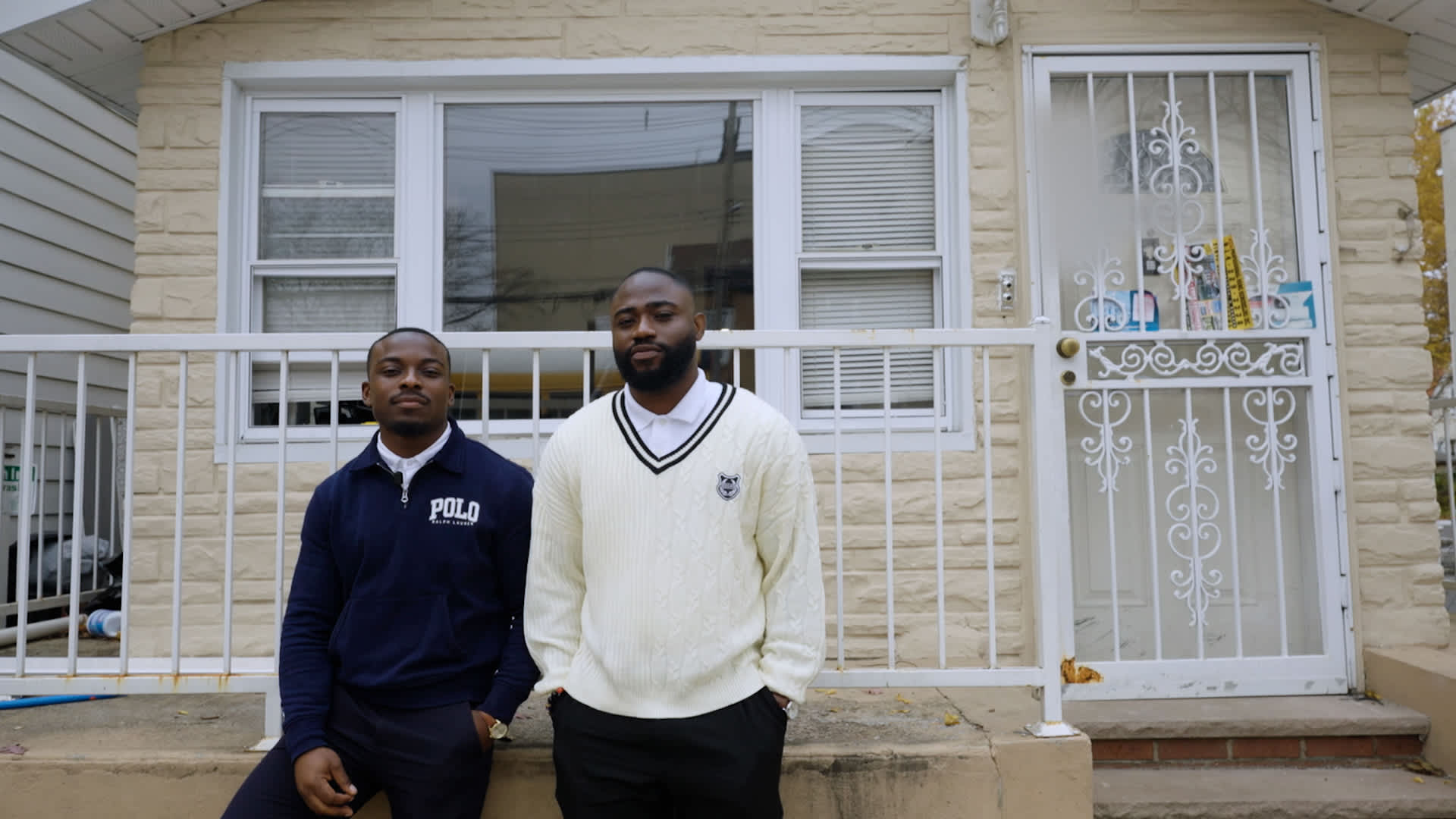
Millennials are the largest group sharing homes with non‑relatives. In New York City, finance and tech professionals Gilbert Nyantakyi and Kwame Nkrumah, friends for 18 years, purchased a three‑family Bronx house for $730 k in 2023. Using a FHA loan, they put down 3.5 % ($25 550) and live in one unit while renting out the others. The rental income helps cover the $5.3 k monthly mortgage, and they plan to move out once life changes—marriage, new jobs, etc.
Across the country, Washington, D.C. journalists Ayesha Rascoe (40) and Jasmin Melvin (39) bought a $905 k, five‑bedroom house in early 2025 after divorcing. They split the 15 % down payment ($133 k) 60/40, signed a 30‑year mortgage, and entered a joint tenancy so that if one passes, the other inherits full ownership. The arrangement lets them raise five children together, creating a “village” of support.
In Portland, Oregon, Jendayi Brooks‑Flemister (29) and her partner, along with another couple, found a duplex for $735 k in 2024. Each owns 25 % and shares a $5.7 k mortgage, paying $2.85 k per household. The group credits co‑buying with making homeownership attainable and fostering community.
Legal safeguards are essential. Attorney Andy Sirkin advises that co‑buyers treat agreements like insurance. Options include Tenancy in Common (TIC), where each owner’s share passes to their estate, or joint tenancy, where ownership transfers to the remaining co‑owners upon death. Without written terms, conflicts can erode long‑standing friendships and cause significant personal and financial damage.
Pendleton predicts that co‑buying will persist as a viable path to the American dream. As long as barriers remain high, creative solutions will emerge. Homeownership offers equity growth and wealth building, and for many, sharing a mortgage with friends or partners is the only realistic route to that future.