G
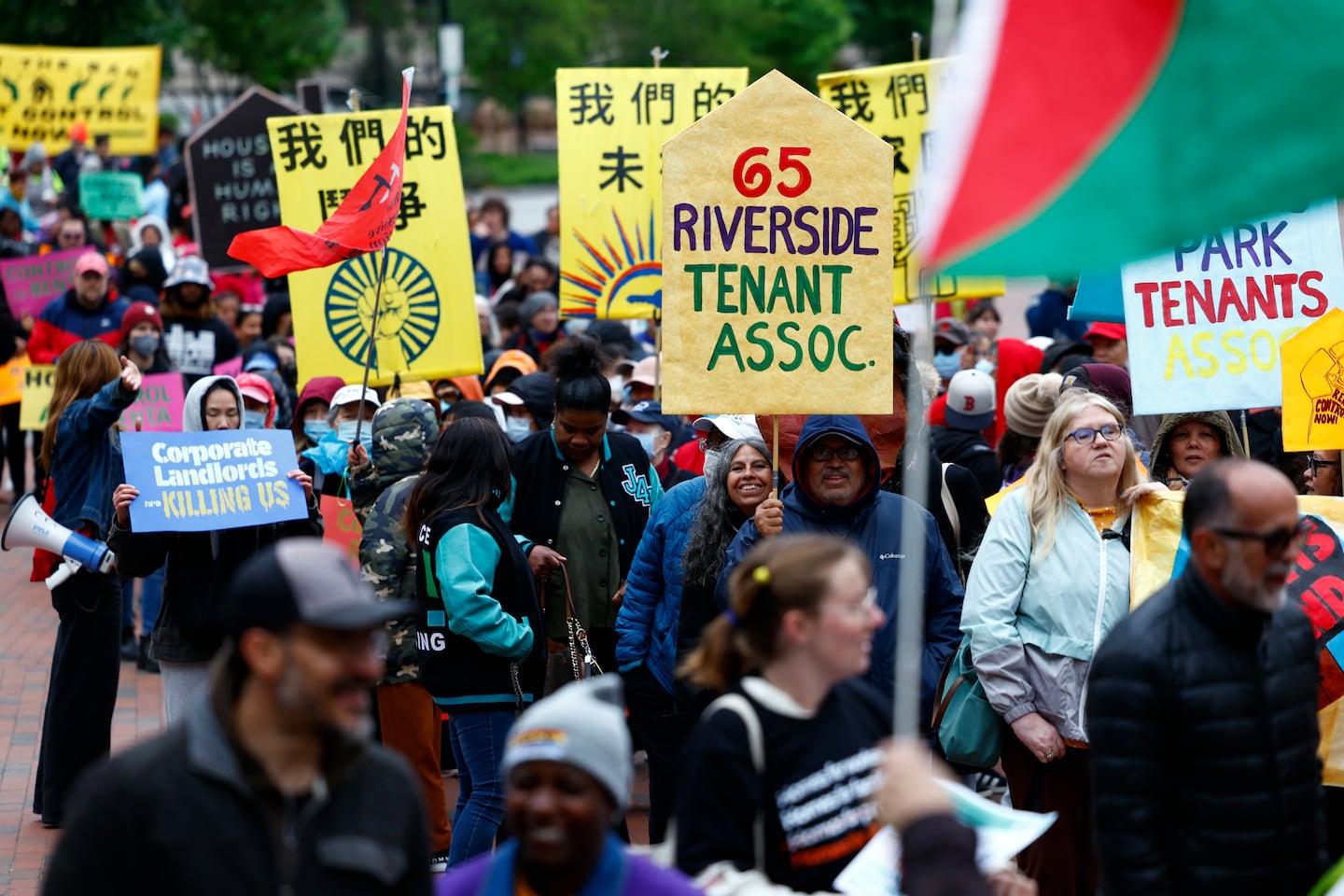
overnor Maura Healey has warned that a rent‑control ballot measure would “effectively halt” new housing construction. Her stance echoes a long‑standing real‑estate lobby line that rent control stifles supply. Yet the evidence from Somerville contradicts that claim.
During the 1970s, when Somerville enacted rent control, bank officials told me that the policy made building new multifamily units more profitable than buying existing homes. An Urban Planning Aid study confirmed this: in the three years after rent control began, investment in new multifamily housing rose 55 % in rent‑controlled communities, compared with only 12 % in other Boston‑area towns. Rent control did not kill construction; it stimulated it.
Today, moderate‑priced housing is disappearing as large investors outbid prospective homeowners. In parts of Somerville, more than half of two‑ and three‑family homes are owned by investors who renovate and then either raise rents or convert units into luxury condos. The result is displacement of working families, immigrants, and the elderly, and a shrinking supply of affordable homes.
Rent control alone cannot solve the housing crisis, but it can keep people in their homes and slow speculative takeovers. Pat and Alain Jehlen, Somerville councilors, have seen the harsh reality first hand. In one case, a corporate landlord bought a building and immediately raised rents beyond tenants’ means. The tenants—a preschool teacher whose husband died, a long‑time resident who prevented two fires, a recent immigrant student—were forced to leave. The councilors have repeatedly witnessed new owners hike rents without adding units, displacing elderly residents, immigrants, and students alike. They argue that such rent hikes lack any public benefit and should be regulated.
Ben Ewen‑Campen, Ward 3 councilor, calls for tying rent control to zoning reform. He notes that exclusionary zoning bylaws—created by the National Association of Realtors—have contributed to the current housing shortage. While studies show rent control can reduce long‑term production, they also demonstrate short‑term relief for renters. Reforming zoning and building more homes would eventually render statewide rent control unnecessary, but until then it remains a vital tool.
Michael Seward, a licensed broker from Sunderland, points out that since 1994, when a real‑estate‑backed ballot question eliminated rent control in Massachusetts, the industry has failed to meet demand. Rising interest rates, construction costs, land prices, and economic uncertainty further curb new development. Millions of cost‑burdened residents fear losing their homes. The governor could help by supporting affordability measures like rent control, rather than echoing the private housing industry’s concerns.
In short, the data from Somerville and the experiences of local officials suggest that rent control can coexist with new construction and serve as a safeguard against displacement. Coupled with zoning reform, it offers a balanced approach to addressing the state’s housing crisis.