W
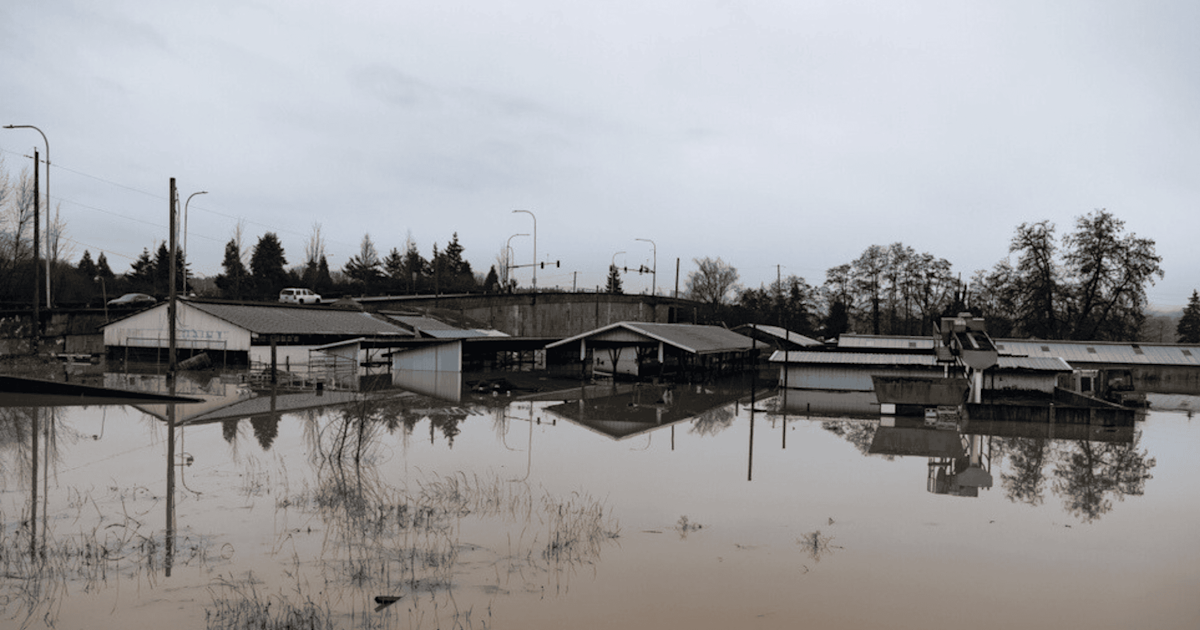
ashington’s recent deluge—nearly two feet of rain in a short span—has exposed a widespread gap: most homeowners’ policies exclude flood damage. Only about 45,000 of the state’s homes had separate flood coverage by October, despite many dwelling in high‑risk zones. The National Flood Insurance Program (NFIP) and private carriers now face higher premiums, and the program’s federal authorization is set to lapse in January, adding uncertainty.
The storms that battered western Washington, especially Skagit and King counties, have left many residents shocked to learn they lack flood insurance. “One inch of water can cost $25,000 to $30,000,” warned NW Insurance Council President Kenton Brine. Wind and tree damage are usually covered, but flood protection must be purchased separately.
Flood insurance costs have surged, with standard homeowners policies up more than 40% from 2019 to 2024, according to LendingTree. The NFIP has raised rates for high‑risk areas since 2021, leading to an 11‑39% drop in new policies and a 5‑13% decline in renewals, especially in ZIP codes with lower median incomes, a study in the Journal of Catastrophe Risk and Resilience noted.
The rising frequency and severity of climate events are driving these changes. As the NFIP adjusts rates, many homeowners are choosing to forgo coverage, increasing their exposure to costly damage. The recent heavy rain and the expectation of more precipitation have prompted President Trump to approve an emergency declaration for Washington, yet the financial burden of water damage remains high for many.
Real‑estate agents are feeling the strain. Redfin’s Don Bleha reports that closings are delayed and showings postponed due to flooding concerns. He stresses that buyers should not rely solely on seller statements. Instead, they should consult neighbors, examine flood maps, verify insurance requirements, and obtain elevation certificates. If a property sits near a creek or river, assume future high water events.
In short, Washington’s flooding has highlighted a national issue: standard homeowners insurance rarely covers flood damage, and the cost of obtaining separate coverage is rising. Homeowners, agents, and policymakers must act proactively to mitigate risks and ensure adequate protection against future climate‑related disasters.