H
omebuyers must earn enough to cover monthly housing costs, a heavy burden in high‑priced markets. In the United States, the ten most affordable metropolitan areas require the lowest incomes—under $85,000 per year—to purchase a home, according to a recent Realtor.com® housing study.
The most economical markets cluster in the Midwest and South, where larger land parcels, new construction, and a lower cost of living keep prices from rising as sharply as in coastal or Sun Belt hotspots. This dynamic keeps home prices in check and makes the median listing price more attainable for middle‑income families.
**Top 10 affordable metros**
| Rank | City | Median listing price | Monthly payment* | Minimum annual income |
|------|------|----------------------|------------------|-----------------------|
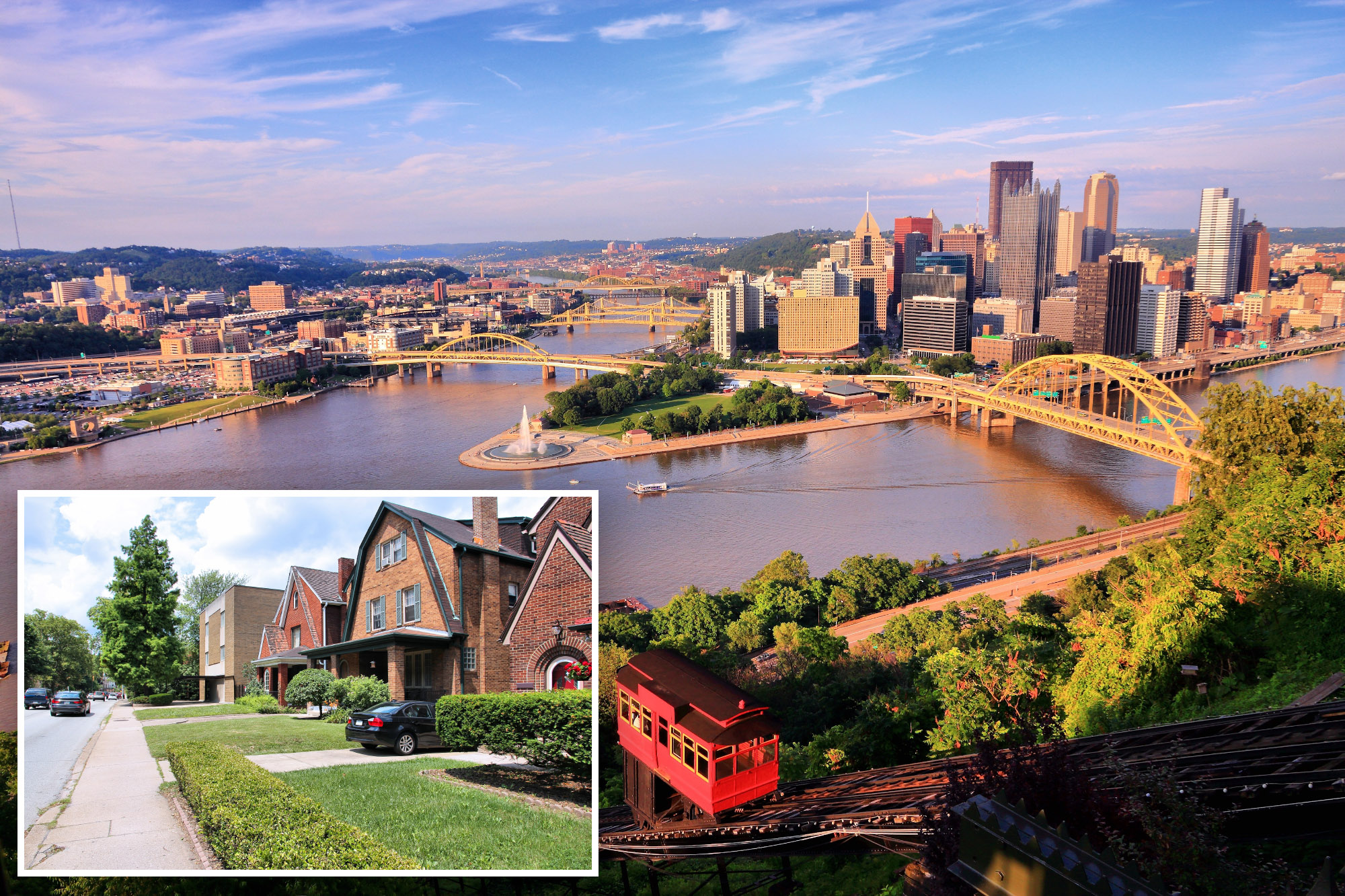
| 1 | Pittsburgh, PA | $245,000 | $1,630 | $65,208 |
| 2 | Cleveland, OH | $250,000 | $1,663 | $66,538 |
| 3 | Detroit, MI | $255,000 | $1,697 | $67,869 |
| 4 | Buffalo, NY | $259,900 | $1,729 | $69,173 |
| 5 | St. Louis, MO | $291,900 | $1,942 | $77,690 |
| 6 | Birmingham, AL | $298,500 | $1,986 | $79,447 |
| 7 | Louisville, KY | $309,900 | $2,062 | $82,481 |
| 8 | Indianapolis, IN | $315,000 | $2,096 | $83,838 |
| 9 | Oklahoma City, OK | $315,995 | $2,103 | $84,103 |
| 10 | Memphis, TN | $319,000 | $2,123 | $84,903 |
*Monthly payment includes mortgage (6.19% interest), taxes, and insurance.
A buyer earning the listed minimum income can comfortably afford the monthly payment in each market. For example, a Pittsburgh household earning $65,000 a year would pay about $1,630 a month for a median‑priced home. In contrast, a national median price of $415,000 would demand an annual income exceeding $110,000—roughly 70% higher than in Pittsburgh.
**Why these metros stay affordable**
- **Supply and zoning**: Cities like Pittsburgh, Cleveland, and Detroit have steadier, more balanced housing markets. Prices rise gradually, and the mix of established neighborhoods and newer developments keeps supply elastic.
- **Land availability**: The Midwest and South offer more land per capita, allowing for new construction without the steep price spikes seen in limited‑supply coastal cities.
- **Income alignment**: Local wages remain closer to housing costs, reducing the gap between earnings and affordability.
- **Migration patterns**: Affordable markets attract remote workers, retirees, and families moving from expensive regions, but most buyers remain local, preventing rapid price inflation.
**Geographic impact**
High‑cost metros such as San Jose, Boston, New York City, and Los Angeles face constrained supply, strict zoning, and high demand from affluent buyers, driving prices up and eroding affordability. A $75,000 income may be out of reach in these cities but can secure a home in Pittsburgh or Detroit. This geographic divide influences migration, with many seeking “refuge” markets that offer lower living costs and more attainable homeownership.
**Future outlook**
While the ten most affordable metros currently keep monthly payments near or below $2,100, continued demand—especially from out‑of‑state buyers—could push prices higher if supply does not keep pace. Expanding housing stock in cities like Cleveland is essential to maintain affordability for future buyers.
In summary, the ten cheapest U.S. metros provide a critical outlet for homeownership, offering median prices well below the national average and requiring annual incomes that are within reach for many middle‑income families.