R
OCHESTER — Former Mayo Clinic nurse anesthetist Matthew Onofrio, who had built a reputation as a commercial‑real‑estate “guru,” was sentenced to three years in federal prison and ordered to pay $5.39 million in restitution to a Bloomington, Minn., bank. Judge Susan Richard Nelson called him the “ringleader and architect of a vast bank fraud,” warning that there is no shortcut to wealth. Onofrio’s term begins on Feb. 10.
Onofrio’s lawyer, Marsh Halberg, sought one year of home detention; the government demanded six years. Prosecutors noted that the typical sentence for similar fraud cases is five years. Onofrio pleaded guilty on July 10 to a single count of bank fraud tied to a St. Cloud property. He was originally indicted on Nov. 17, 2022 on three counts.
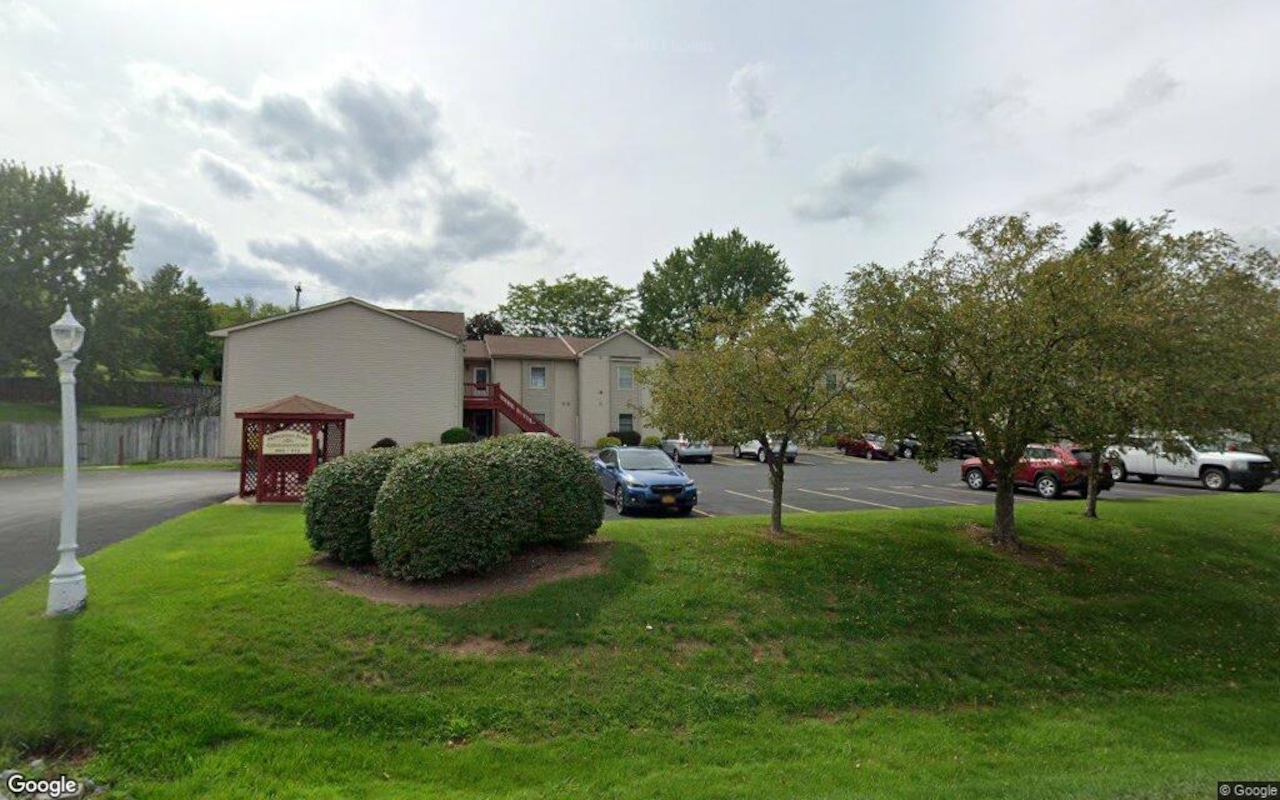
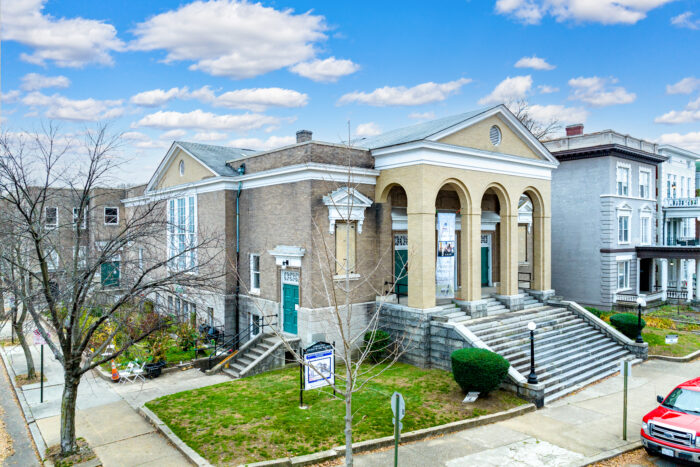
The case involved $420 million in fraudulently obtained bank loans for 68 commercial‑real‑estate deals over roughly two years. Although none of the properties named in the 2022 indictment were in Olmsted County, Onofrio was active in Rochester’s market. The court seized a $35 million Premier Bank account he held. Under Moose Enterprises LLC, he bought the historic Massey and Blakely buildings (16 Second St. SW and 210 First Ave. SW) for $7.7 million in January 2020; a court‑ordered receiver sold them for $4.5 million in 2024. He also purchased the Flats 55 apartment complex in Stewartville for $10.5 million (Stewartville Flats LLC) at the end of 2021, which recently sold for $9.35 million. Other notable deals included the City Centre complex at 310 S. Broadway (purchased for $12 million in 2020, sold for $14 million in 2021), the Tile Superstore & More complex at 2411 Seventh St. NW, the Wabasha Marina & Boatyard, and a northwest Rochester retail center at 3801 Marketplace Drive NW (bought for $3.63 million and sold four days later for $4.22 million).
In a related case, 82‑year‑old Rochester realtor Merl Groteboer received one year of probation and a $10,000 fine after pleading guilty to making false statements to an FBI agent during a 2023 interview that was part of the Onofrio investigation.
Prosecutors described Onofrio’s scheme as a “guaranteed” system that lured investors with the promise of high returns. He would locate undervalued properties, negotiate purchase agreements that allowed him to buy the property later at a set price, and then assign those agreements to investors at a higher price, pocketing the difference. Investors were misled about their creditworthiness; Onofrio helped craft fraudulent financial statements, wired temporary funds to create the appearance of a down payment, and encouraged buyers to label the money as “family money.” He sometimes loaned the money himself, hiding the fact from banks. Because loan proceeds exceeded contract prices and the down payment matched his assignment fee, Onofrio could defer part of his fee by lending investors’ money for the down payment. Even if investors defaulted, Onofrio would simply receive a smaller fee, making the scheme essentially risk‑free for him.
While federal prosecutors and the judge branded him a fraudster, his attorney portrayed him as a remorseful, home‑schooled former missionary and devout Christian who had led a law‑abiding life except for the 14‑month period of criminal conduct. About 30 letters of support from family, friends, and church members were sent to the judge in an appeal for leniency.
Jeff Kiger, a long‑time Rochester columnist for the Post Bulletin, writes the daily “Heard Around Rochester” column and covers local business stories. His opinions do not necessarily reflect those of his employer. He can be reached at [email protected] or @whereskiger on Twitter, or by phone at 507‑285‑7798.