I
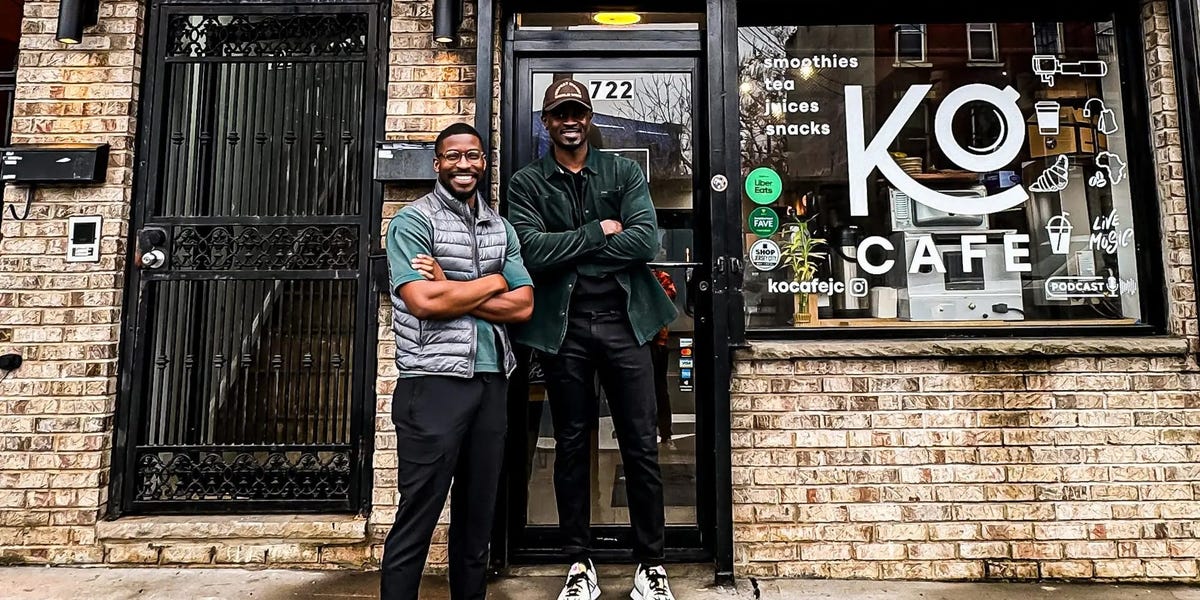
magine strolling through downtown Ashland, coffee in hand, and instead of driving across town to a friend’s house, you walk a block to a cozy backyard cottage. Above the café, soft lights glow from second‑story apartments, turning the block into a lively, walkable neighborhood where neighbors actually know each other. That’s the kind of vitality that thoughtful infill housing, more ADUs (accessory dwelling units), and expanded mixed‑use buildings could bring to Ashland.
Ashland feels like a coveted sweater—everyone wants it, but only one size is available. The town offers culture, charm, a walkable downtown, top schools, and scenic trails, yet limited land, tight inventory, and high prices keep many potential buyers out. As of Nov. 30, there were 89 active residential listings, unchanged from a year earlier. In the fall (Sept.–Nov.), 77 existing homes sold—slightly down from 83 last year. The median price for existing homes fell to $535,000 from last year’s $581,000, but it remains above the 2023 level. Days on market nearly doubled, from 16 to 33, indicating buyers are pausing, recalculating, and feeling the pressure of interest rates and pricing. Demand stays strong, but affordability is the new gatekeeper.
Loosening that gate without sprawl or losing character is possible. More ADUs can expand housing options while preserving neighborhood aesthetics. A homeowner on a fixed income could stay by earning rental income; teachers, baristas, firefighters could afford a studio; aging parents could live nearby in a thoughtfully designed cottage. Mixed‑use buildings add a heartbeat: residents above shops and restaurants increase foot traffic, support local businesses, reduce car trips, and create walkable community by design.
Regionally, Jackson County saw a modest rise in existing‑home sales this fall (500 vs. 488 last year) and a slight bump in median price from $397,000 to $405,000. Ashland sits above that median, making it a stretch for many. Thoughtful infill won’t solve affordability overnight, but it builds the missing middle: smaller homes, lock‑and‑leave units, and rentals that aren’t just large single‑family houses. It gives young adults a chance to move out on their own and stay in the community they grew up in, and it offers downsizing homeowners meaningful options beyond “stay in a too‑big home” or “move away.”
These changes will spark hard conversations—parking, height limits, design standards, infrastructure—but so will watching friends, workers, and children get priced out of the place they love. The real question for us is not simply, “Do we want more housing?” but, “Who do we want to live here in five, ten, twenty years?” If the answer is “more than just those who can afford a single‑family home on a large lot,” we must creatively use the land we already have.
Ashland has always thought differently. Infill, ADUs, and gentle density aren’t about becoming a big city; they’re about designing a future where the people who make this place vibrant can still call it home.
Carrie Dahle, president of the Rogue Valley Association of Realtors and principal broker at John L. Scott, Ashland, can be reached at [email protected]