B
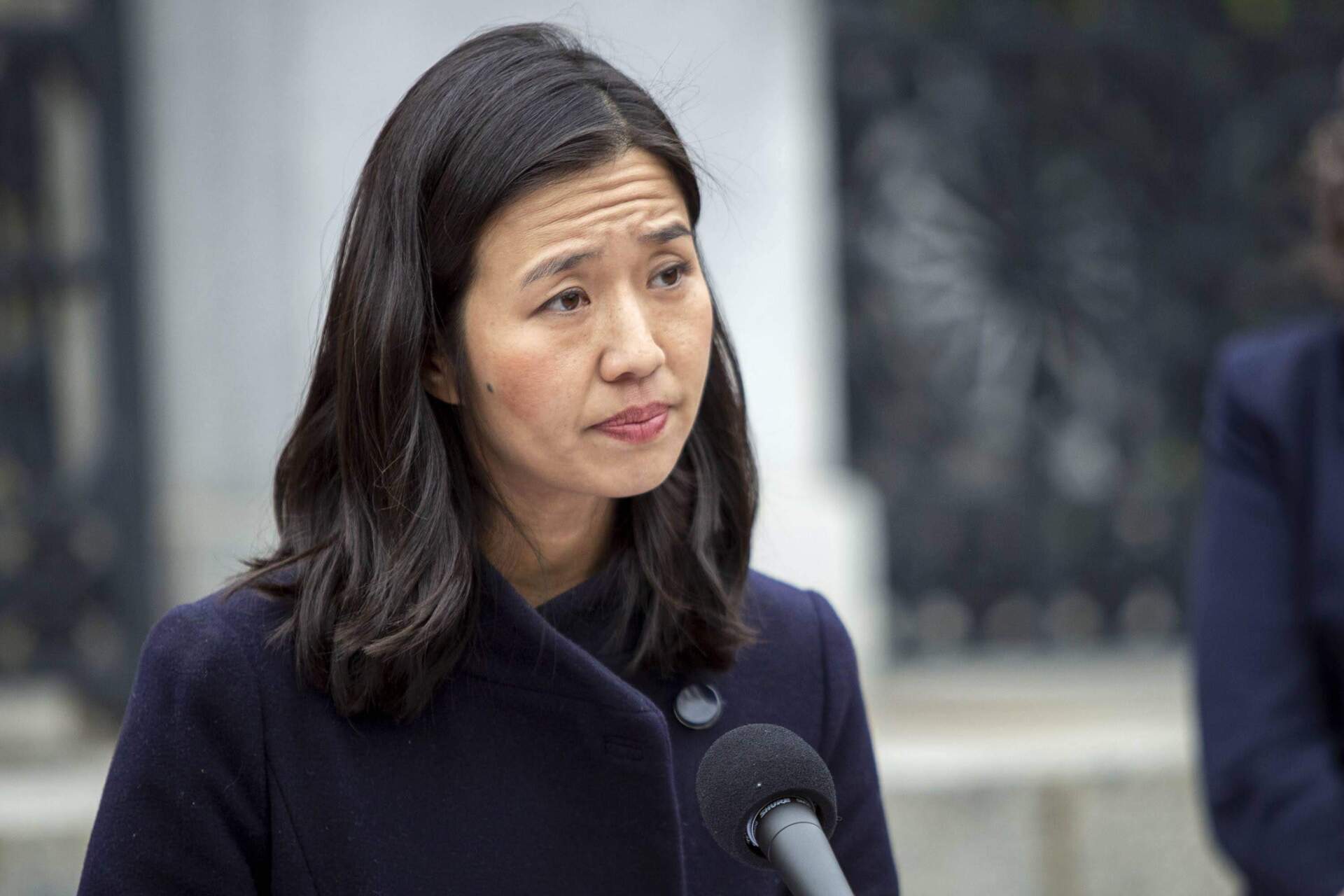
oston Mayor Michelle Wu announced that homeowners will face a 13 % rise in property taxes effective January, as she pushes to transfer more of the city’s tax load onto commercial owners. In a Tuesday briefing, Wu noted that higher residential values and falling commercial values are “unsustainable” for residents, translating to roughly $780 more per homeowner. Final rates await approval from the Massachusetts Department of Revenue.
The hike stems largely from a post‑pandemic drop in commercial property values. This year commercial values fell 6 % while residential values climbed 2 %; last year the declines were 5 % and 3 % respectively. Wu’s administration has tried to offset the burden by converting vacant office space into housing and attracting new businesses, but the issue persists.
Commercial taxpayers will see a 4.4 % cut, averaging $210 k in savings. In the Financial District, a typical “trophy skyscraper” could see its 2026 taxes fall by over $350 k. State law caps how much the city can raise commercial rates relative to residential ones, requiring legislative approval for larger increases.
Earlier this year, Wu introduced a home‑rule petition for tax relief that passed the city council and the state house but stalled in the Senate. She rewrote the bill with business input, capping residential increases at 9 % annually, yet it was again blocked. Wu attributes the delay to a single state senator, Nick Collins, who demanded more valuation data. Collins has accused the mayor of hiding financial information, claiming the city is “concealing fiscal data” and undermining voters’ rights.
Wu urges the state legislature to act immediately, noting the bill has already passed the city council three times and sits on the Senate floor. She declined to name Collins in her remarks but said her team has reached out to the Boston delegation without receiving specific requests.
The tax dispute unfolds amid federal budget cuts threatening Boston’s finances. Over 70 % of the city’s $4.6 billion budget comes from property taxes, mainly commercial. Last year the budget grew 4.4 % matching inflation, but Wu is tightening spending. In a December letter, she directed the personnel review committee to postpone hiring and asked departments to propose 2027 budgets 2 % below current levels.
With the first new‑year tax bills due soon, Wu warned that the January bill will be higher because the new rate applies retroactively to the previous quarter. A 13 % annual increase equates to a 26 % jump over the last quarter’s bill, a significant shock for seniors and fixed‑income residents, especially as heating costs rise in colder months.