T
he Lawyers’ Fund for Client Protection, created in 1982 and financed by a fraction of the $375 attorney registration fee, has long been the safety net for New York clients whose lawyers stole money. Over its history it has paid out roughly $270 million to more than 1,300 lawyers across 9,000 cases. Until recently, the fund reimbursed over 90 % of valid claims, sometimes the full amount, but in the past three years that rate has slipped to just over two‑thirds.
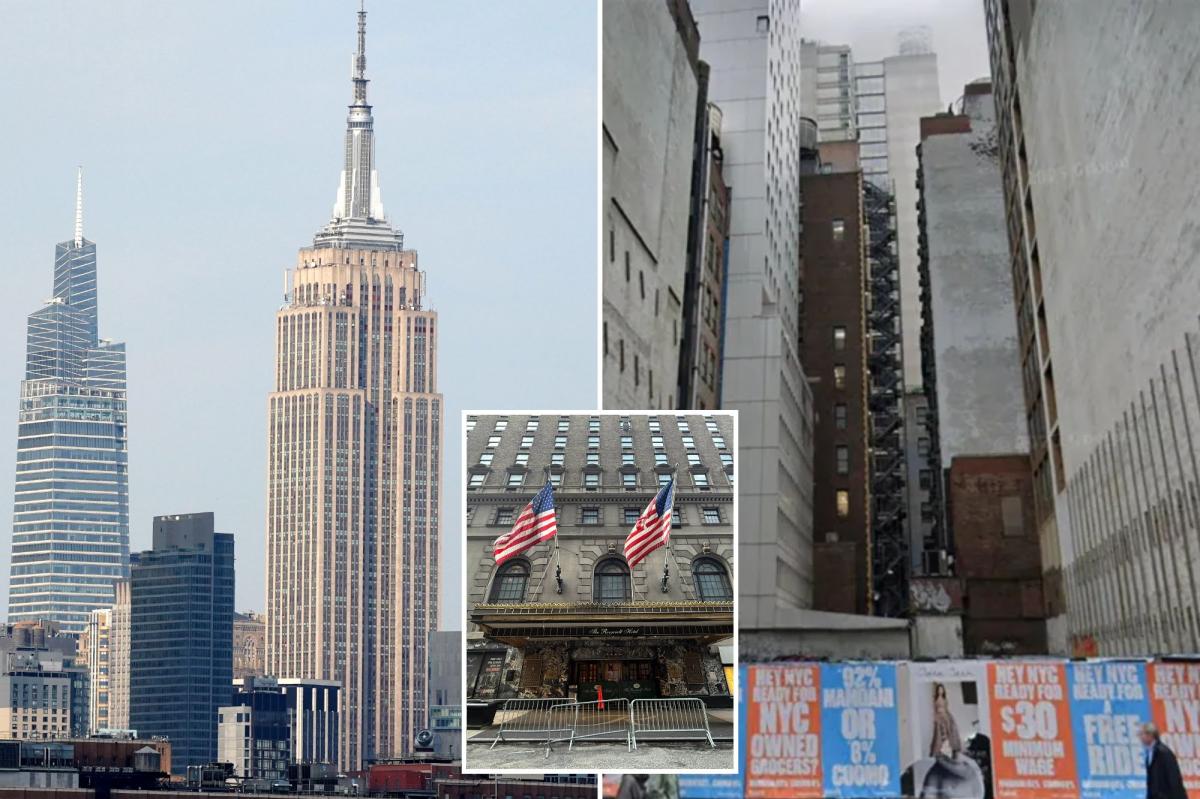
A single, persistent problem has driven the bulk of the fund’s payouts: the loose escrow system used in downstate real‑estate transactions. In those deals, lawyers draft contracts and hold large sums in escrow, often taking 10–20 % of closing costs. This structure has made it easier for unscrupulous attorneys to siphon client funds. Long Island lawyers alone account for more than a quarter of all payouts—over $70 million in 2,500 cases—while upstate claims are almost negligible, totaling only $2,000 in 2024.
The fund’s executive director, Gabriel Huertas, has warned for over two decades that escrow theft is the most significant loss category. Yet despite these warnings, payments for such cases have exceeded $100 million. In 2024, 85 % of the $11.6 million the fund disbursed involved stolen escrow money.
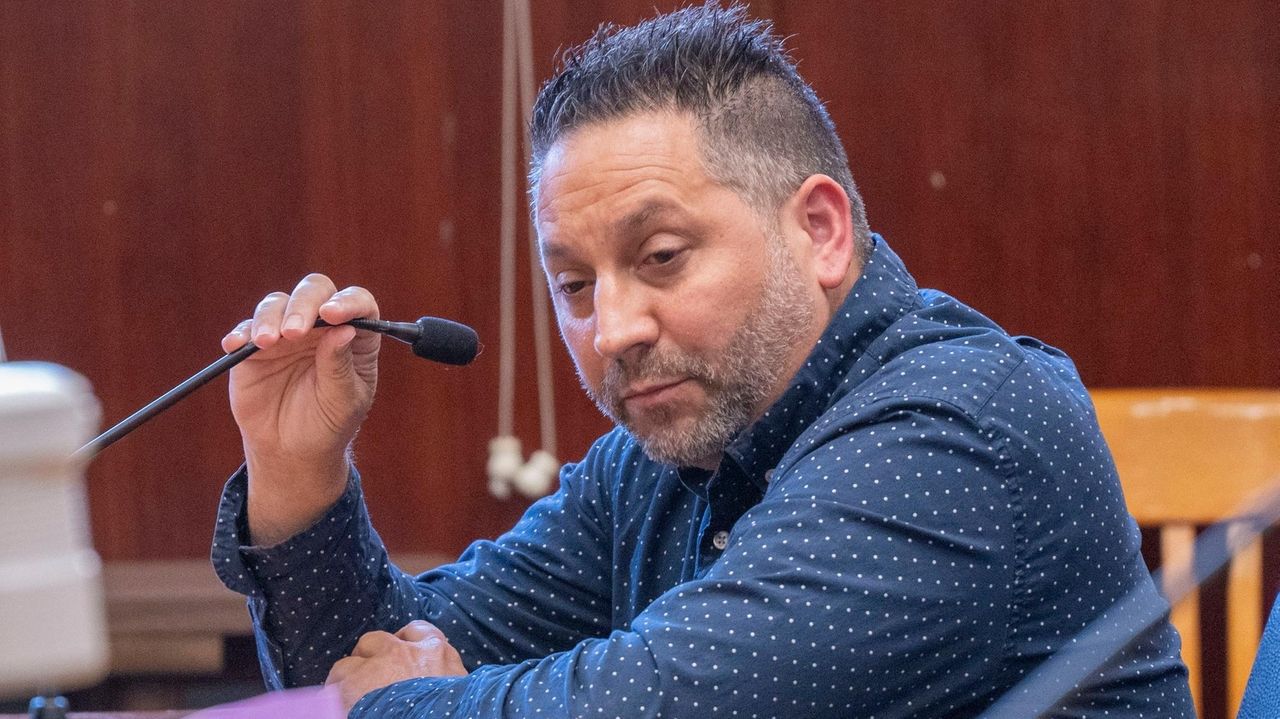
A high‑profile example is Garden City attorney Daniel L. Boldi, who stole $6.2 million from 52 clients. He was sentenced to up to 12 years in prison. The fund reimbursed 26 of his clients $1.6 million and paid the Woodhaven‑Richmond Volunteer Ambulance Corp. $400,000—the maximum per‑claim limit—leaving a $250,000 shortfall. Ambulance chairman Andrew Combs, who had learned of Boldi’s crimes from a newspaper article, expressed frustration at the system’s lack of recourse.
Other cases illustrate the same pattern. In 2024, the fund paid $2.8 million to seven clients of West Hempstead lawyer David Frankel, who had embezzled nearly $6 million. In 2023, Floral Park attorney Terrance Dougherty was convicted of stealing $1.7 million from 32 clients, including families and a church, while the fund’s reimbursements fell short of full recovery.
The fund’s financial position is strained. By the end of 2024, it held less than $12 million in cash and had nearly $14 million in pending claims. Its funding comes from a fixed 16 % share of the attorney registration fee; the last legislative proposal to raise this share was in 1999. The board set a $400,000 cap on individual payouts in 2015, a figure that would be $555,000 if adjusted for inflation. Critics argue that both the capped inflow and the payout limit hinder the fund’s ability to meet its obligations.
Regulatory language requires the board to consider available cash and the size of claims when approving payouts, but Huertas insists the fund evaluates claims strictly under its own rules and does not factor cash reserves into decisions.
The escrow problem has prompted the fund to recommend several reforms: banning ATM cards for escrow accounts, allowing courts to restrict attorneys deemed a public threat from accessing escrow funds, automatically disbarring attorneys who steal escrow money, and testing bar exam candidates on fiduciary responsibilities. Despite these proposals, the New York State Bar Association and lawmakers have yet to enact substantive changes.
Victims often face slow, incomplete recoveries. For instance, the Woodhaven‑Richmond Ambulance Corp. lost $400,000 of its escrowed funds and still bears a $250,000 deficit. Andrew Combs, a long‑time volunteer, lamented the lack of alternatives and the ongoing financial gap.
In summary, the Lawyers’ Fund for Client Protection has struggled to keep pace with escalating escrow thefts, particularly in downstate real‑estate transactions. While it remains a vital resource, its reimbursement rates have fallen, its funding sources are capped, and its payout limits constrain its effectiveness. The fund’s continued advocacy for escrow reforms remains essential, but without legislative action, many victims will continue to face partial or delayed restitution.