I
nterest rates and affordability have kept commercial and residential markets in Spokane and Kootenai counties flat this year, industry insiders say.
**Dave Black – Spokane perspective**
Dave Black, CEO of NAI Black and Black Realty Management, is watching long‑term rates closely, as they will shape the region’s real estate in 2026. He notes the U.S. 10‑year Treasury yield sits near 4 %, with typical spreads of about 200 basis points (2 %), yielding roughly a 6 % mortgage rate. “If we can bring that down to the 5½ % range, a lot of activity could be unlocked,” he says.
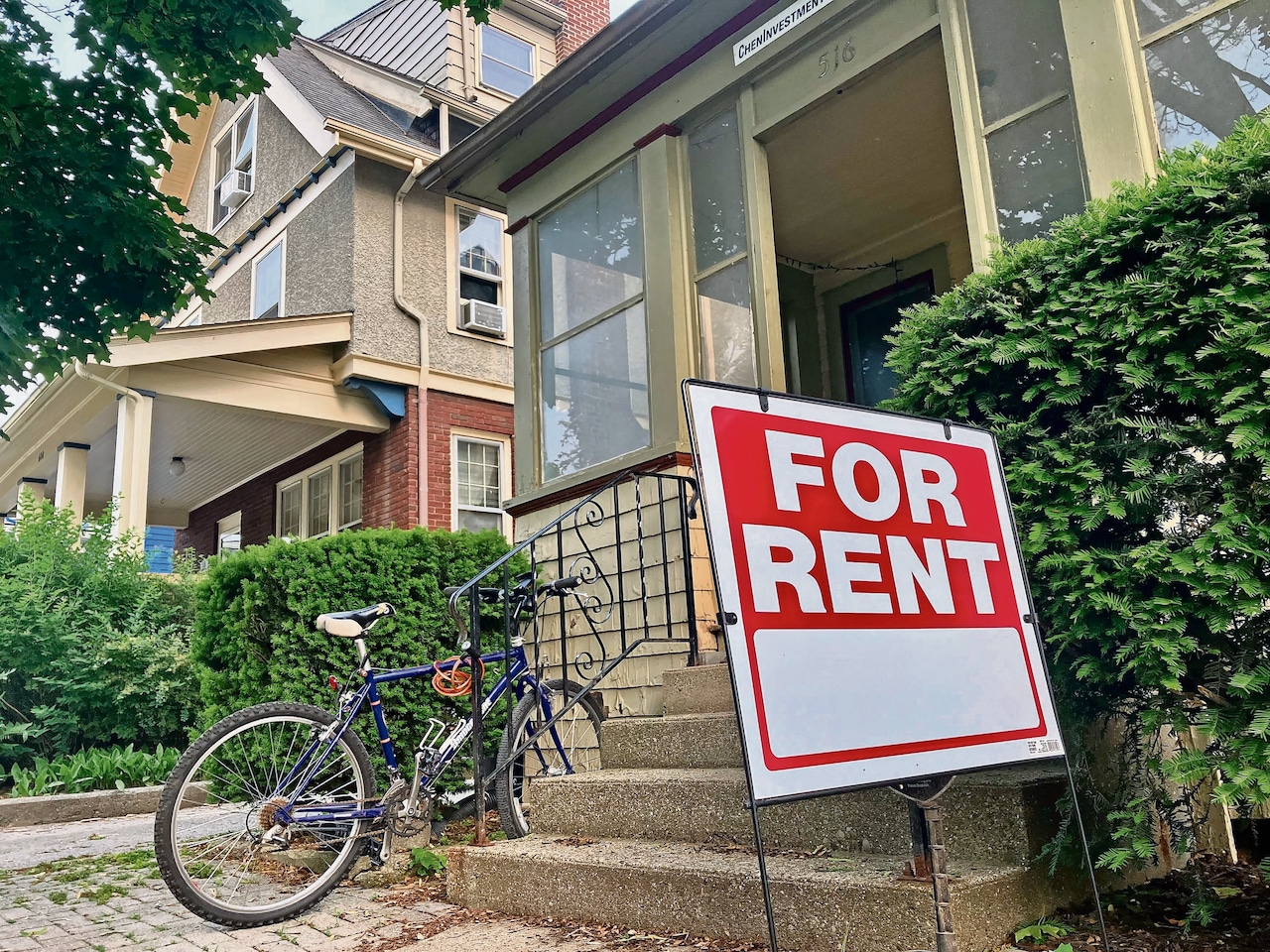
Rates are not the sole driver. Washington’s tax rules, energy‑code demands, and new rent‑control measures are pushing investors toward Idaho. “We’re only looking for this in Idaho,” Black says, calling it the “Idaho factor.”
Despite these headwinds, Black remains optimistic for 2025. Recent city actions to improve safety and street conditions have boosted downtown’s image, though a 32 % office vacancy rate still signals work to restore confidence. “I feel a lot better this year about Spokane and Eastern Washington than last year because the city council has cleaned up homelessness and crime,” he adds.
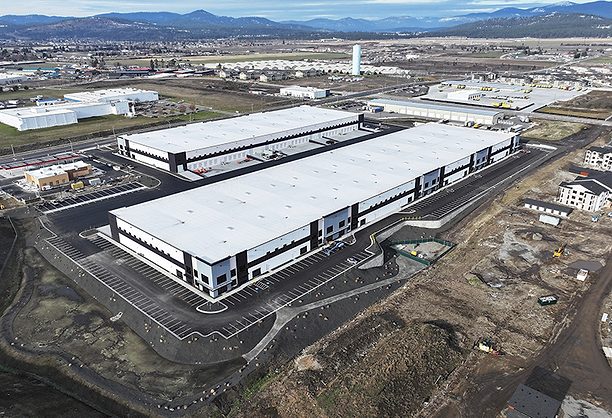
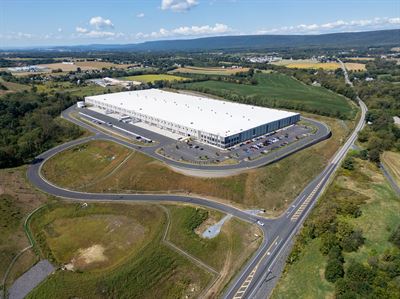
Industrial real estate is also rebounding. “We have a number of large industrial listings on the west side, several big properties on the east side, and several across the state line that are finally filling up,” Black reports.
**Jennifer Smock – North Idaho outlook**
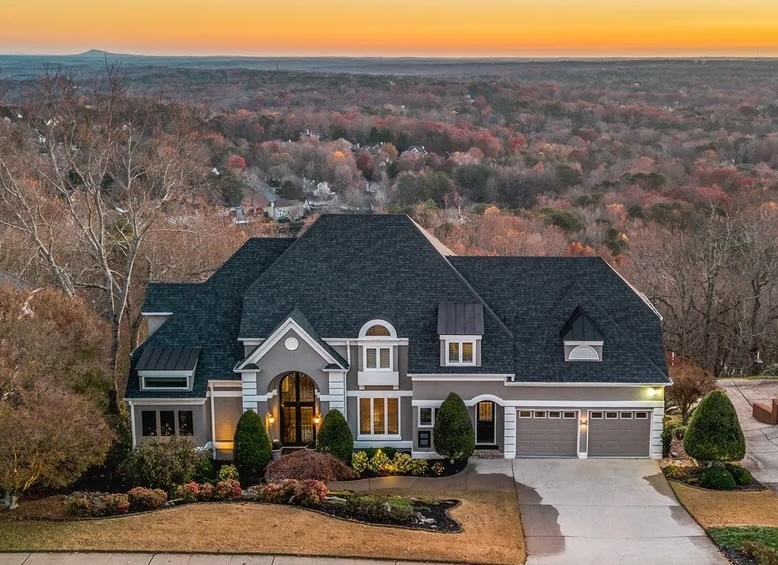
Smock, board president of Coeur d’Alene Regional Realtors, says the market has been largely flat over the past two years. “As a general rule, it’s fairly flat in terms of price appreciation or depreciation,” she explains. Residential valuations have seen almost no change; a $600,000 home in Hayden remains worth about the same today.
Submarket differences exist. Post Falls, once a construction hotspot, is now a resale market with values down 2–3 % from last year. In contrast, Rathdrum’s ongoing new builds keep prices rising, “closing at list price or a little above, pushing prices up,” Smock notes.
Inventory is steady but seasonally low, typical for the region’s weather. Countywide averages are skewed by high‑end waterfront and downtown Coeur d’Alene condo closings, which range from $2 million to $4 million and shift price points.
The median single‑family price in Kootenai County hit $549,000 in November, up 4.3 % from the same month last year. November sales rose 2.4 % year‑over‑year to 2,307, with 886 active listings as of Dec. 3. Smock says the market is stabilizing as the shock of high rates fades, “opening up inventory and letting buyers who were waiting feel they can now purchase.”
**Spokane market snapshot**
In Spokane, the median single‑family price was about $420,000 in November, a 0.6 % increase from last year. Sales fell 3.5 % compared with November 2024, while new listings rose 0.8 % from 523 to 527. Inventory at the end of November totaled 1,344 units, up 16.9 % from a year earlier.
**Karene Loman – 2026 outlook**
Loman, president of Spokane Realtors, warns that high rates, strained affordability, and tariff‑driven cost pressures will shape 2026—a “trifecta” affecting today’s market. She doubts rates will drop this year; even top forecasters predict only modest improvement, with a 6 % rate next year as the best case.
Affordability remains a critical issue. “When you talk about the difference interest rates make, it’s huge,” Loman says. Pandemic‑era lows let many who previously couldn’t qualify now buy, driving up prices. “It’s the simple law of supply and demand. Demand was high, but supply wasn’t enough.”
The median Spokane home price of $420,000 requires a household income of about $120,000 to qualify, Loman notes. Tariffs add to construction and refinancing costs, as imported appliances, furnishings, and building materials become pricier, forcing builders to raise prices. “If a house needs fixing to qualify for financing, that cost has also doubled,” she adds.
Looking ahead, Loman cautions buyers not to wait for lower rates. “I tell people not to sit on the fence and wait for prices to go down… because when rates go down, buyers come out, and that means supply and demand prices will go up.” She advises buying now at a higher rate.
---