I
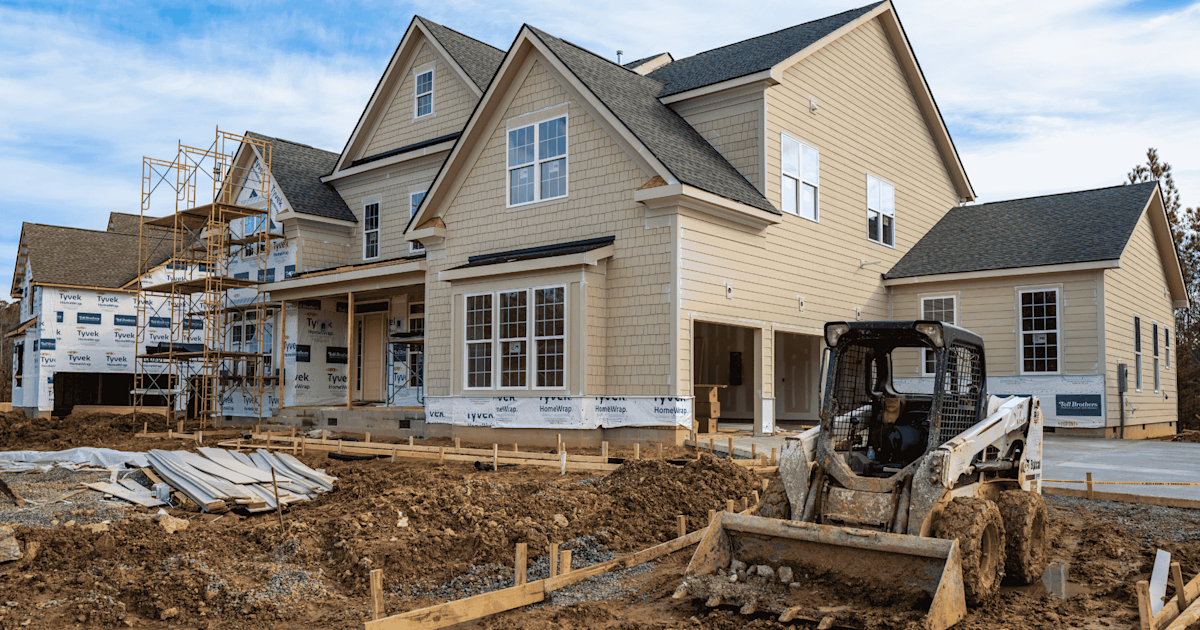
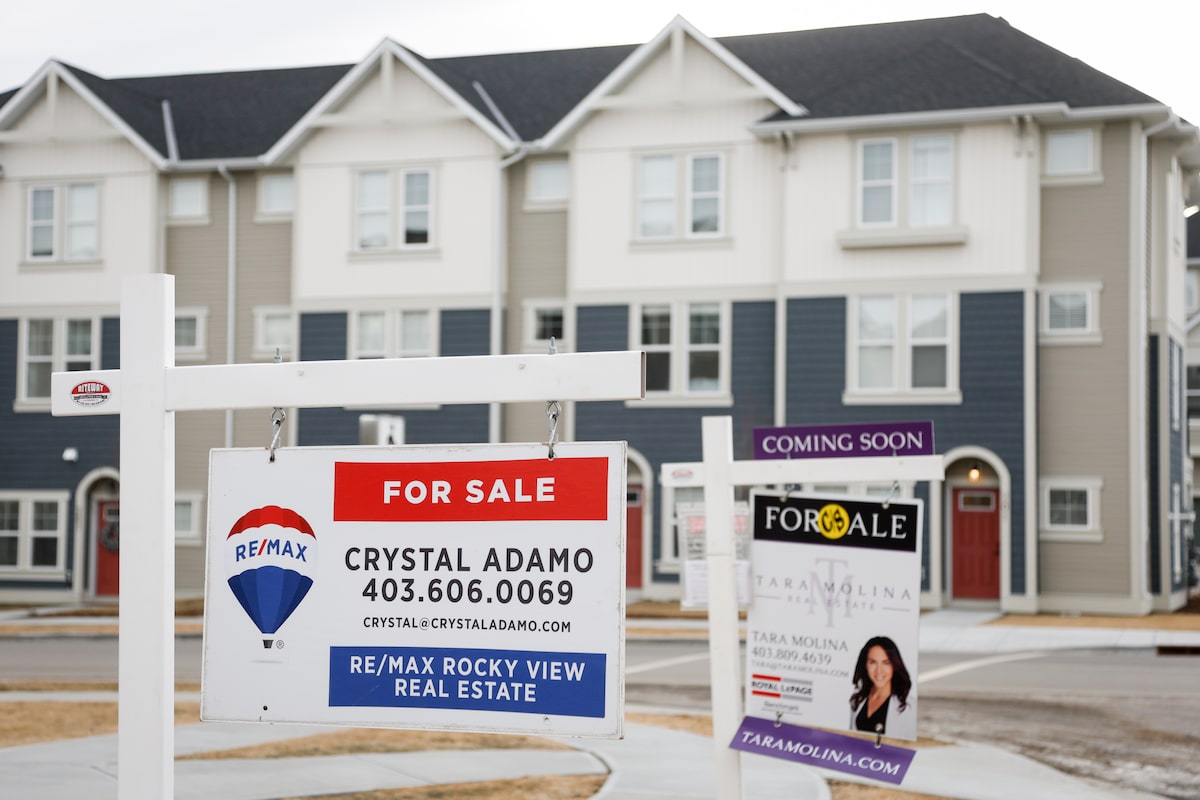
n the third quarter of 2025, the difference in monthly mortgage payments between newly built and existing homes was a mere $30, according to a Realtor.com study. The median list price for a new home hovered around $451,337, while a typical resale property was priced near $409,667. Despite the price gap, builders’ rate‑buydown offers and other incentives have kept the monthly cost differential almost negligible. The study noted a 99‑basis‑point spread in mortgage rates—5.27% for new‑construction buyers versus 6.26% for existing‑home buyers—representing the widest gap in years.
Realtor.com’s senior economist, Joel Berner, highlighted that the price disparity between new and existing homes has reached its lowest third‑quarter level in the data’s history, with a similar trend observed in the previous quarter. This parity is largely driven by fierce competition for existing inventory and a surge in new‑construction activity following the pandemic‑era economic rebound.
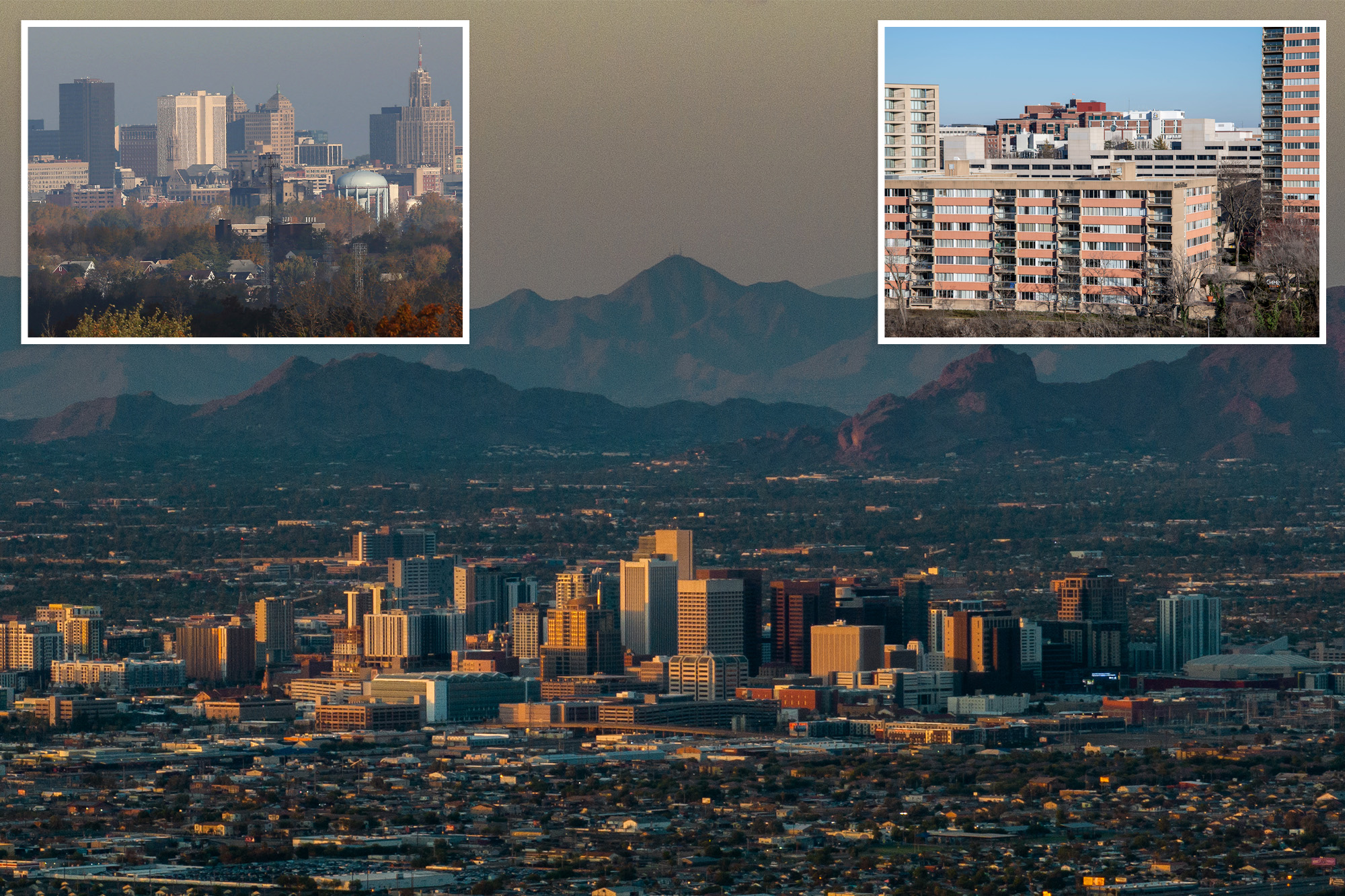
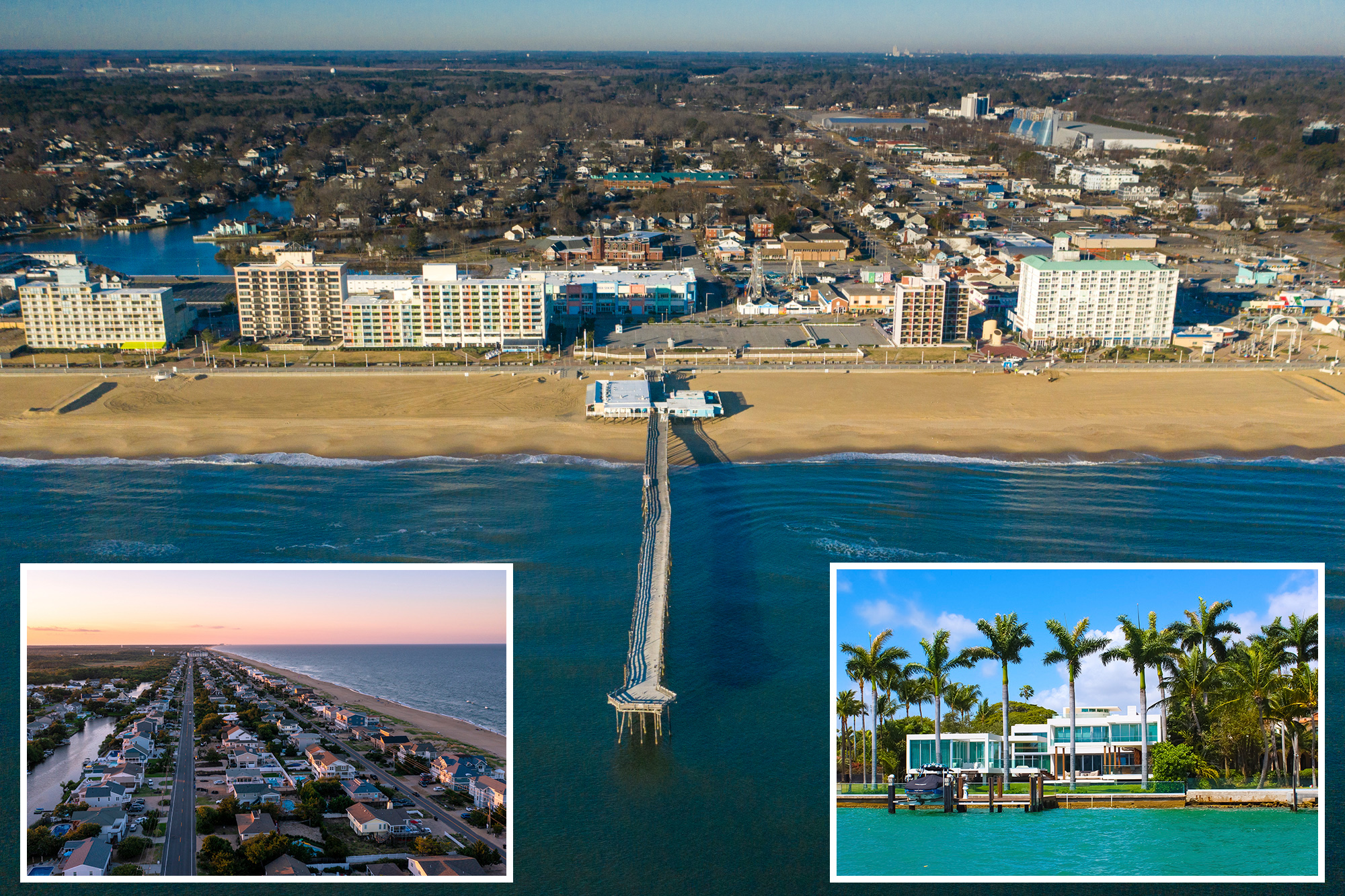
Regional variations remain significant. Southern markets often feature new homes priced well below $400,000, whereas Northeast and Midwest metros maintain premium prices, sometimes exceeding $2 million for a brand‑new build. These disparities pull the national average down, masking the higher costs in certain areas.
Builders’ aggressive incentives—such as mortgage‑rate buydowns, closing‑cost credits, and lower down‑payment requirements—have been pivotal in easing affordability concerns. As mortgage rates rose from record lows in 2022, these concessions attracted buyers priced out of the resale market.
Looking ahead, Berner predicts a gradual re‑emergence of a price gap. Existing‑home prices may stabilize or decline slightly, while new‑construction activity could slow, shifting focus toward higher‑margin, larger‑dollar projects. The sustainability of builders’ rate‑buydown strategy will depend on rising construction costs and the ability to maintain incentive budgets.