T
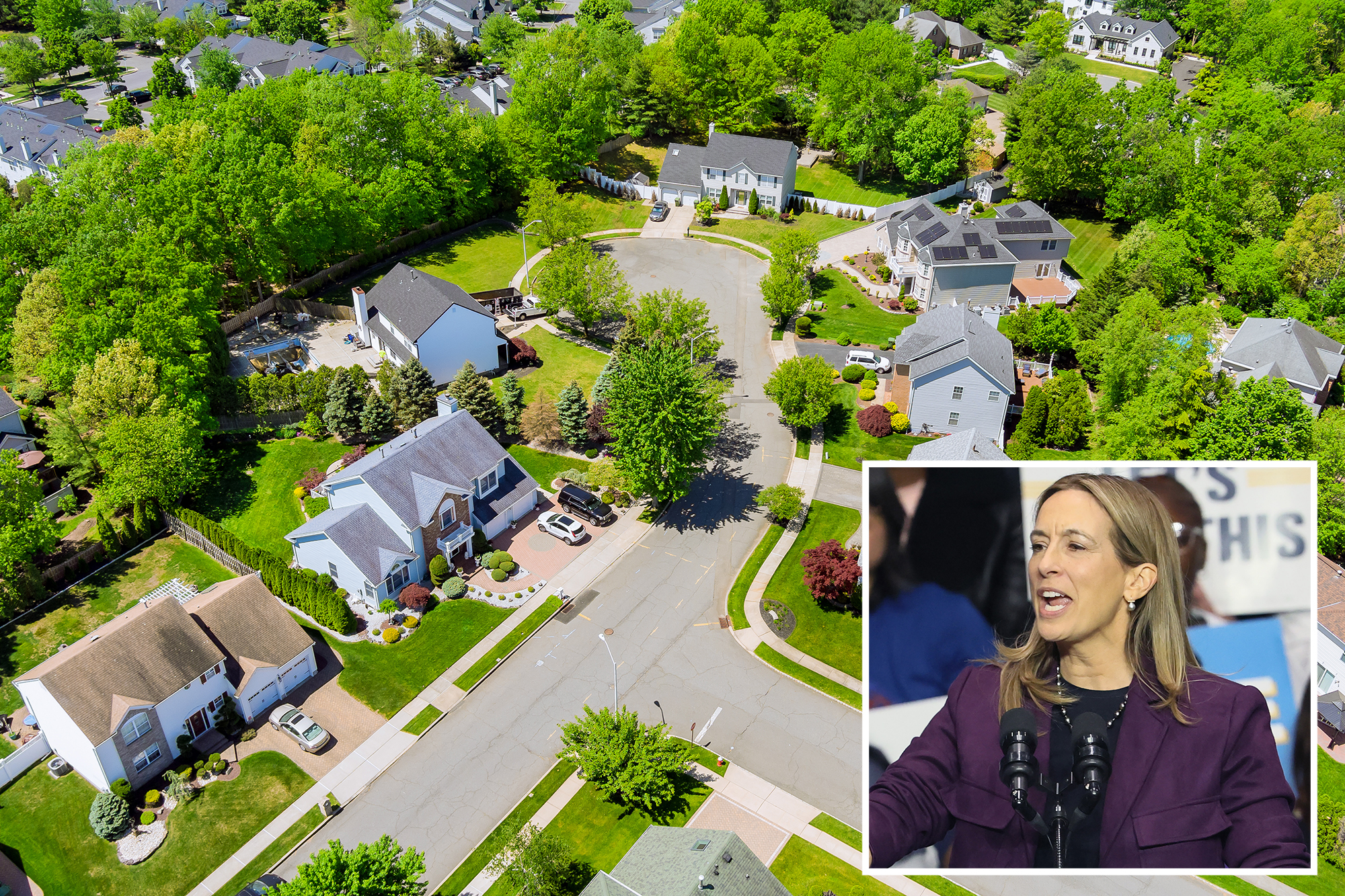
he New Jersey gubernatorial race concluded on November 4, with Rep. Mikie Sherrill (D) defeating former Assemblyman Jack Ciattarelli (R). The contest drew national attention, and Sherrill’s victory brings a new focus on housing, a key issue she highlighted throughout her campaign.
In February, the state received a C‑grade on Realtor.com’s State‑by‑State Housing Report Card, reflecting high costs and limited construction. Yet demand remains strong: ZIP codes such as Wayne and Marlton rank among the hottest in the country for 2025, with listings receiving 3.6 times more views and selling 30‑42 days faster than the national average. Buyers in these areas tend to be older, wealthier, and better‑equipped with credit and down‑payments than the typical U.S. buyer.
New Jersey faces a severe housing shortfall. The National Low‑Income Housing Coalition reports a deficit of over 200,000 units for low‑income residents, while Harvard’s State of the Nation’s Housing report notes that more than one‑third of households spend over 30 % of their income on housing. At the same time, parts of the state are among the most expensive markets in the country. In September, several New Jersey counties in the New York City metro area climbed 44 spots to become the 158th hottest market nationwide. Realtor.com’s Hannah Jones explains that the pandemic spurred a surge in demand from New York and Philadelphia buyers, driving inventory down and prices up—home prices were 44.7 % higher in October 2025 than in October 2019, with a median listing price of $550,000.
The core difference between the candidates’ housing agendas centers on the Mount Laurel Doctrine. Ciattarelli opposed the state’s affordable‑housing law, whereas Sherrill pledged to enforce and expand it. Both candidates support building new units near mass transit, but Sherrill also aims to push affordable housing into urban centers.
In March 2024, Gov. Phil Murphy signed legislation that strengthens enforcement of the Mount Laurel Doctrine, requiring every municipality to update master plans and zoning to accommodate more affordable housing. The law also streamlines development and threatens legal action against towns that fail to meet deadlines or block projects.
Sherrill’s platform emphasizes new construction. She promised to declare a utility‑cost emergency on Day 1, freezing rates for homeowners and renters. She also vowed to build on Murphy’s work and enforce the 2024 law, while pushing for additional supply. In October 2019, New Jersey had about 40,400 homes for sale; by October 2025 that number fell to 17,600, a 56.4 % drop—the third‑largest inventory gap in the country. Much of the decline is due to baby boomers holding onto homes, but a lack of new builds is a major factor. Realtor.com reports a new‑construction premium of 74.1 %, indicating that most new homes are high‑end and out of reach for middle‑income buyers.
Sherrill says she will change this. “As governor, I will improve affordability by increasing new construction that meets all residents’ needs,” she stated on her campaign website. “More housing will expand homeownership opportunities and help lower rental costs.” At a September forum with New Jersey Realtors and the Builders Association, she added that she would open more pathways for first‑time buyers, expand assistance programs, and eliminate diversions from the Affordable Housing Trust Fund so that money actually builds affordable units.
In short, Sherrill’s mandate is to address New Jersey’s housing crisis by enforcing existing laws, boosting new construction, and ensuring that affordable housing is built where it is most needed—near transit, in urban areas, and for all income levels.