N
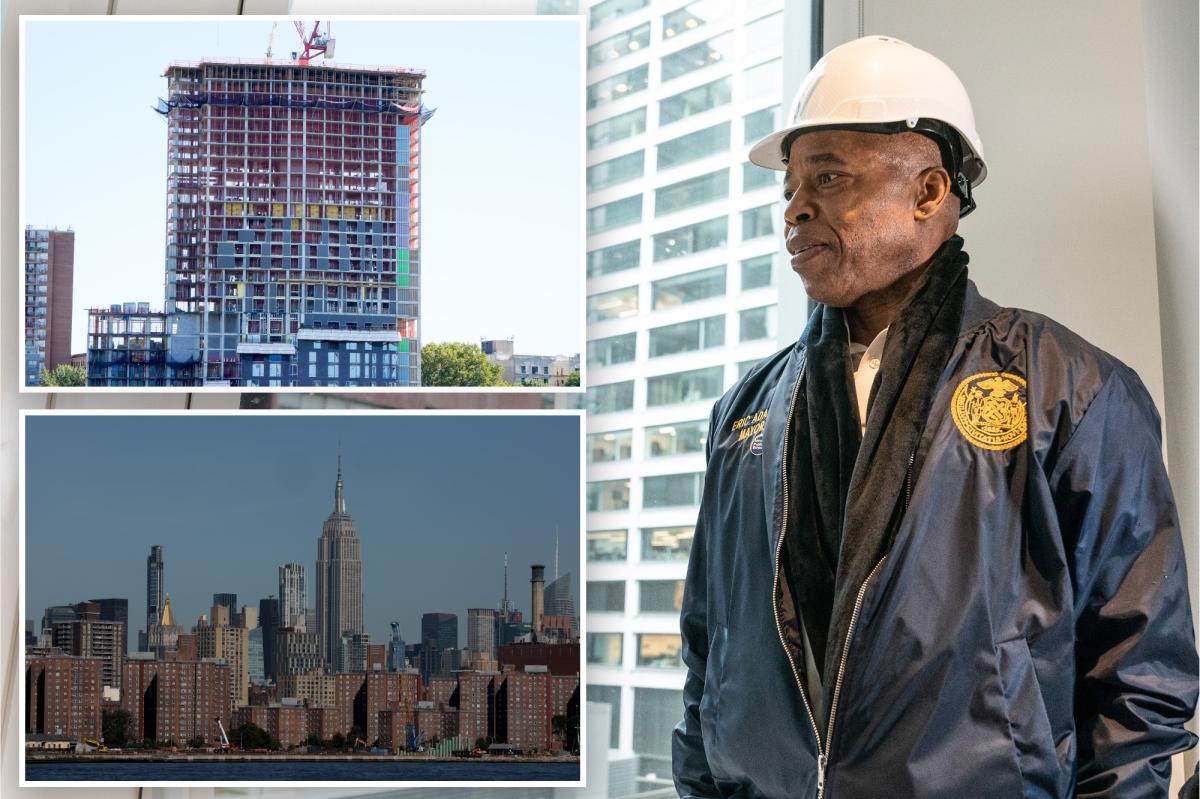
ew York City’s housing crisis received a hard look this week when the Real Estate Board of New York (REBNY) released a report that paints a bleak picture. The city’s new‑construction output is far below what is needed to meet the 2022 “moonshot” target of 500,000 units over the next decade.
Only 66,162 apartments have been completed since the start of 2024—just 13 % of the goal. To hit the 500,000 mark by 2034, the city would need to build roughly 13,147 units each quarter, a 39 % jump from the current average of 9,452 units per quarter. The gap is driven largely by long construction timelines; a typical NYC building takes about 3.4 years to finish, and Manhattan projects average four years.
Pre‑development delays also weigh heavily. REBNY estimates that more than 47,100 units are stuck waiting for permits, a process that can take over five years. Changing safety and energy‑efficiency standards during this waiting period can further alter plans. Other factors cited by REBNY’s executive vice president of public policy, Basha Gerhards, include bureaucratic red tape, restrictive zoning, high interest rates, and lingering economic fallout from COVID‑19 shutdowns.
The report was issued as the first of several “checkups” to gauge progress on Mayor Eric Adams and Governor Kathy Hochul’s ambitious housing agenda. Adams has already pushed sweeping zoning reforms that could unlock about 130,000 new apartments, and the incoming mayor, Zohran Mamdani, has pledged to build 200,000 subsidized homes in the next decade.
Both parties agree that New Yorkers need more housing, but their solutions differ. Republicans tend to favor deregulation and easing zoning limits, while Democrats focus on expanding subsidies and public‑private partnerships. Planned office‑to‑residential conversions—such as the 5 Times Square project—are among the radical strategies being considered to boost supply.
Despite these efforts, the city’s builders face a daunting task. Recent surveys estimate that the metropolitan region’s housing shortage ranges from 355,000 to 540,000 units. With the current pace, meeting the 500,000‑unit goal will require a significant acceleration in construction, regulatory reform, and financial incentives.