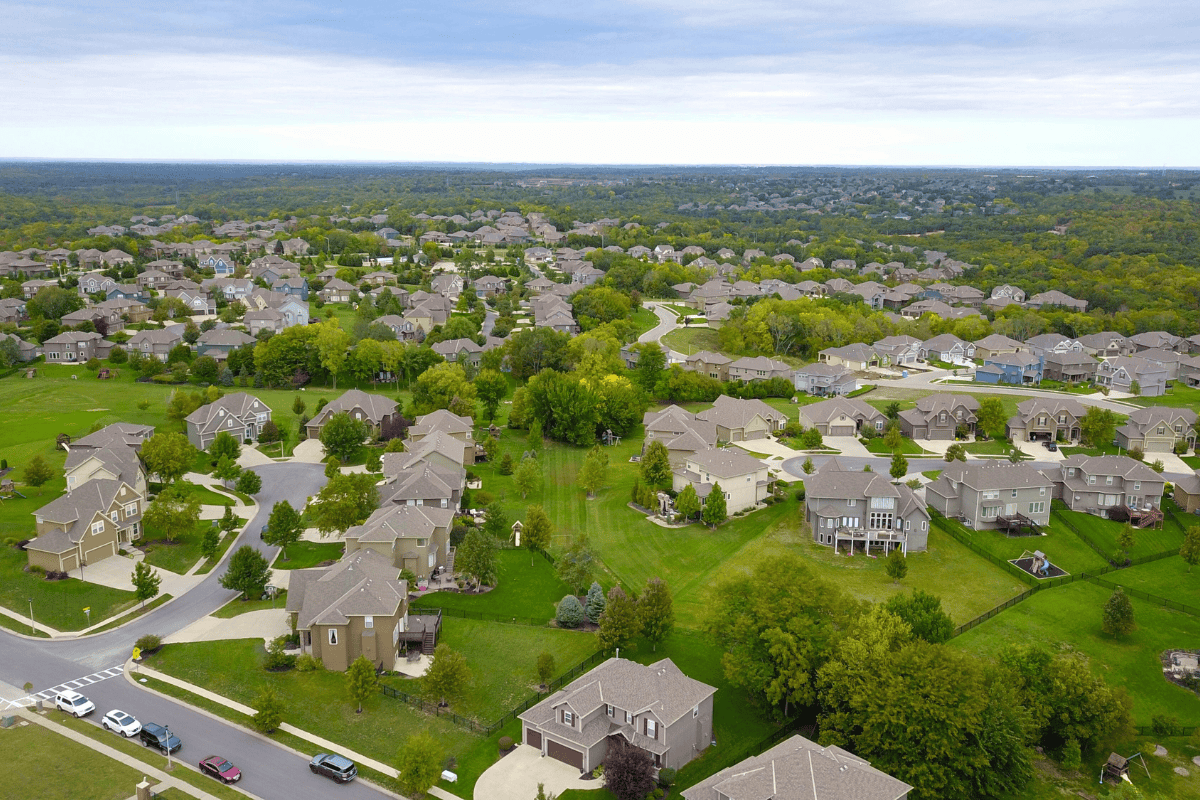
*
*Key Takeaways**
- A Public Improvement District (PID) is a zone where homeowners pay a special assessment to fund local amenities and infrastructure.
- The assessment is separate from property taxes and can run 20–40 years.
- Similar districts exist in Arizona, Colorado, California, Florida, New Mexico, Nevada, Utah, North Carolina, and Georgia.
- PIDs differ from Planned Unit Developments (PUDs) and Municipal Utility Districts (MUDs) in purpose, cost structure, and governance.
- Buyers should examine PID disclosures, assessment schedules, improvement plans, and district maps before closing.
---
### What Is a PID?
A PID is a city or county‑created area where residents contribute a special assessment to finance neighborhood‑specific improvements. Under Texas Local Government Code § 372, PIDs allow communities to add amenities without burdening the entire city.
Typical projects include:
- Decorative lighting
- Landscaping and irrigation
- Roads, sidewalks, and streetlights
- Parks, greenbelts, and trails
- Entry monuments
- Drainage upgrades
- Ongoing maintenance of shared spaces
These fees sit on top of regular property taxes.
---
### Example of a PID Assessment
Suppose a $400,000 home lies in a district with a rate of 15 ¢ per $100 of value.
1. $400,000 ÷ $100 = 4,000 units
2. 4,000 × $0.15 = $600 per year
The $600 appears on the tax bill but is distinct from the base property tax.
---
### How PIDs Operate in Texas
1. **Establishment** – City or county creates the district.
2. **Service & Assessment Plan** – Outlines improvements, costs, and assessment schedule.
3. **Bond Issuance** – Upfront costs may be financed through municipal bonds.
4. **Repayment** – Homeowners pay annual assessments over 20–40 years.
5. **Fee Structure** – Flat rate or value‑based.
Typical projects: landscaped entryways, central parks with pavilions, walking trails, upgraded lighting, and drainage systems.
---
### Are PIDs Only in Texas?
No. States with comparable special assessment districts include Arizona, Colorado, California, Florida, New Mexico, Nevada, Utah, North Carolina, and Georgia. Rules and names differ, but the concept is the same.
---
### Pros of Buying in a PID
1. **Enhanced Infrastructure** – Better lighting, wider sidewalks, upgraded landscaping.
2. **Well‑Maintained Common Areas** – Ongoing upkeep keeps the neighborhood attractive.
3. **Accelerated Development** – Bond funding speeds construction.
4. **Valuable Amenities** – Parks, trails, and community features add daily value.
5. **Higher Resale Appeal** – Consistent maintenance and amenities can boost demand.
### Cons of Buying in a PID
1. **Long‑Term Cost** – Assessments add to yearly housing expenses for decades.
2. **Variability** – Rates and improvement plans differ widely.
3. **Resale Impact** – Some buyers avoid special assessments, narrowing the market.
4. **Complexity** – Understanding schedules, payoff options, and billing can be confusing.
---
### PID vs. PUD vs. MUD
| Feature | PID | PUD | MUD |
|---------|-----|-----|-----|
| Purpose | Infrastructure & enhancements | Planned neighborhood design | Water, sewer, drainage |
| Cost | Special assessment | HOA dues (often) | MUD tax |
| Benefit | Improved amenities | Unified layout | Utility access |
| Management | City or county | Developer/HOA | Elected board |
- **PUD**: Zoning tool allowing mixed uses; may include shared amenities but no automatic PID assessment.
- **MUD**: Provides essential utilities in unserved areas; levies its own tax.
---
### What Buyers Should Do Before Purchasing
1. **Read the PID Disclosure** – Sellers must provide a written notice of assessment obligations.
2. **Examine the Service & Assessment Plan** – Look at duration, bond payoff, planned improvements, and lump‑sum payoff options.
3. **Understand Billing** – Confirm whether the assessment appears on the tax bill or is billed separately.
4. **Ask About Completed vs. Planned Work** – You may pay for amenities not yet built.
5. **Consider Resale Effects** – Higher assessments may limit future buyers.
---
### How to Verify PID Status
1. **Check the Property Tax Bill** – Look for “PID Assessment” or district name.
2. **Review Closing Documents** – PID disclosure should appear in the contract.
3. **Use City/County PID Maps** – Many municipalities publish interactive maps.
4. **Contact Local Planning or Tax Office** – Verify district boundaries.
5. **Ask Your Agent or Title Company** – They can confirm status and provide details.
---
### Frequently Asked Questions
- **Are PID assessments tax‑deductible?**
They are not standard property taxes; portions may be deductible. Consult a tax professional.
- **How long do assessments last?**
Typically 20–40 years or until bonds/improvements are paid off.
- **Is buying in a PID a good idea?**
Depends on priorities. PIDs offer amenities and maintenance but add long‑term costs. Review details carefully.
---
### Final Thoughts
PIDs play a major role in shaping many Texas neighborhoods, offering upgraded amenities and consistent maintenance. However, the added assessments require careful consideration. By reviewing disclosures, maps, and improvement plans, buyers can decide if a PID community aligns with their budget and lifestyle.