J
ames Dainard, the star of A&E’s “Million Dollar Zombie Flips,” has spent decades breathing new life into Seattle’s historic homes. On the show he partners with local flippers, injecting capital and expertise to transform neglected “zombie” properties into million‑dollar listings. Yet the market has shifted: many of these fixer‑uppers are now appreciating on their own before any work begins, while construction materials and financing costs rise, squeezing profit margins.
Dainard describes the scene as “very competitive” and “risky.” Seattle’s growing demand for land and affordable housing fuels higher prices for both properties and building supplies. Builders vie for development sites, and first‑time buyers are willing to tackle repairs to enter the market. The result is a tougher environment for flippers, whose returns are eroding. According to ATTOM, the number of Seattle flips fell from about 3,100 in 2021 to roughly 1,900 in 2023, a steep decline. Since 2018, flipping profits have dropped by more than a third, excluding renovation costs. In 2025, renovated homes sell for only 27% above purchase price on average, while renovation expenses can consume 20–33% of the after‑repair value. Mara Haveson, a seasoned broker, notes that “property values are too high” for quality flips to be profitable.
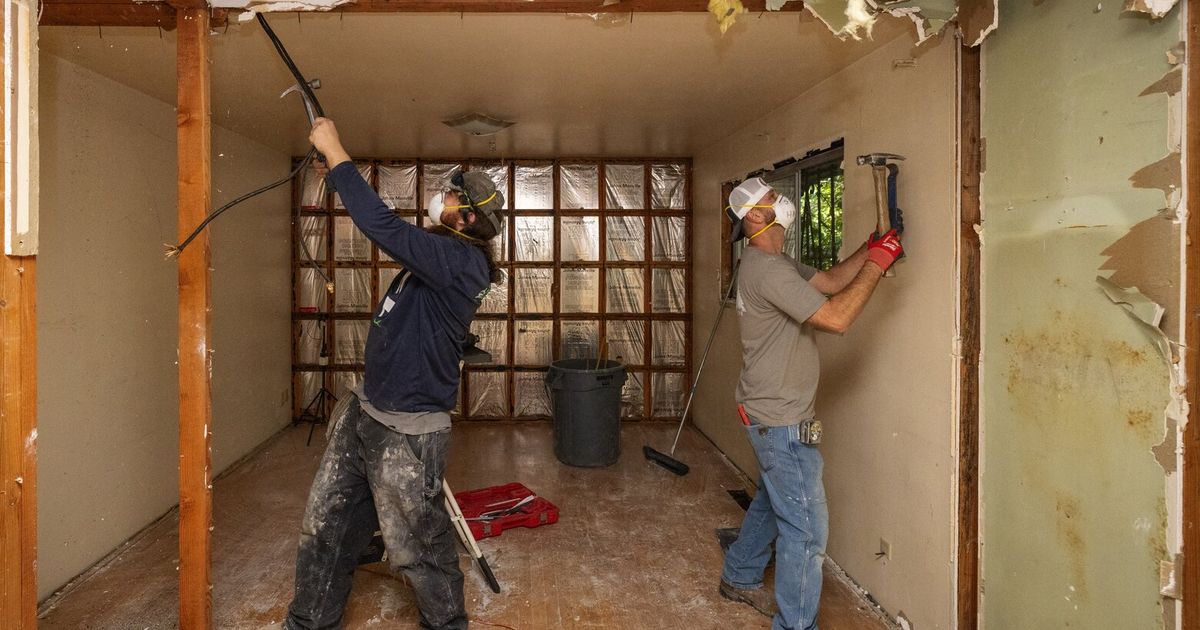
A recent project illustrates the challenge: Dainard’s team bought a dilapidated house for $500,000, invested $275,000 in upgrades, and aimed to sell for $1.4 million. After taxes, insurance, utilities, closing costs, and interest, the expected net profit is about $97,000—if the market cooperates. The house sat on the market for 180 days, and Dainard warns that he may break even or lose money. He has already recorded a $100,000 loss on another flip, a risk he accepts as part of a bulk‑volume strategy. “Those techies who treat flipping as a side project can lose a hundred thousand,” he says. Amateur flippers, encouraged by social media success stories, often underestimate construction complexity and end up cutting corners, leading to shoddy work and a tarnished reputation.
The cost of construction is a major factor. Borrowing rates for fix‑and‑flip loans have climbed to 10.3%, compared with 6.3% for standard 30‑year mortgages. Material prices have surged due to inflation, supply chain disruptions, pandemic demand, and tariffs. Cushman & Wakefield projects a 9% rise in material costs and a 4.6% increase in total project costs from tariffs. A Seattle contractor notes that lumber beams now cost $300 instead of $225. Dainard estimates overall construction costs for flips have risen by at least 10% year over year. Additional expenses include new energy code compliance (Seattle’s 2021 updates) and seismic retrofits, which can add $10,000–$20,000 per property, eroding profit.
Despite these hurdles, some buyers still pursue fixer‑uppers. Rob Barber of ATTOM suggests that as middle‑ and high‑end homes become unaffordable, prospective homeowners compete with flippers for the same properties. Dainard disputes this for the uninhabitable homes he targets, but for habitable fixer‑uppers, Haveson notes a shift toward homeowners who renovate themselves and hold onto the property, a more lucrative model.
Investor activity in Seattle’s fixer‑upper market remains modest—only about 12% of the city’s sales this year—yet young buyers are drawn to DIY projects. Social media platforms showcase couples tearing out cabinets and adding custom details, spurring a DIY boom. Megan Murnane, 30, chronicled her renovation journey online. She and her partner bought a $785,000 house in West Seattle’s North Admiral neighborhood after being outbid three times. With limited funds, they tackled the work themselves, learning on the job and occasionally shutting off the water for days. Despite the challenges, they now enjoy a walkable neighborhood and a home they’ve made their own.
In summary, Seattle’s flipping market faces rising costs, tighter margins, and increased competition from both builders and DIY homeowners. Successful flippers must navigate higher material prices, stricter codes, and financing hurdles while balancing the risk of loss against the potential for profit. The trend toward self‑renovation and the appeal of historic properties continue to shape the city’s real estate landscape.