T
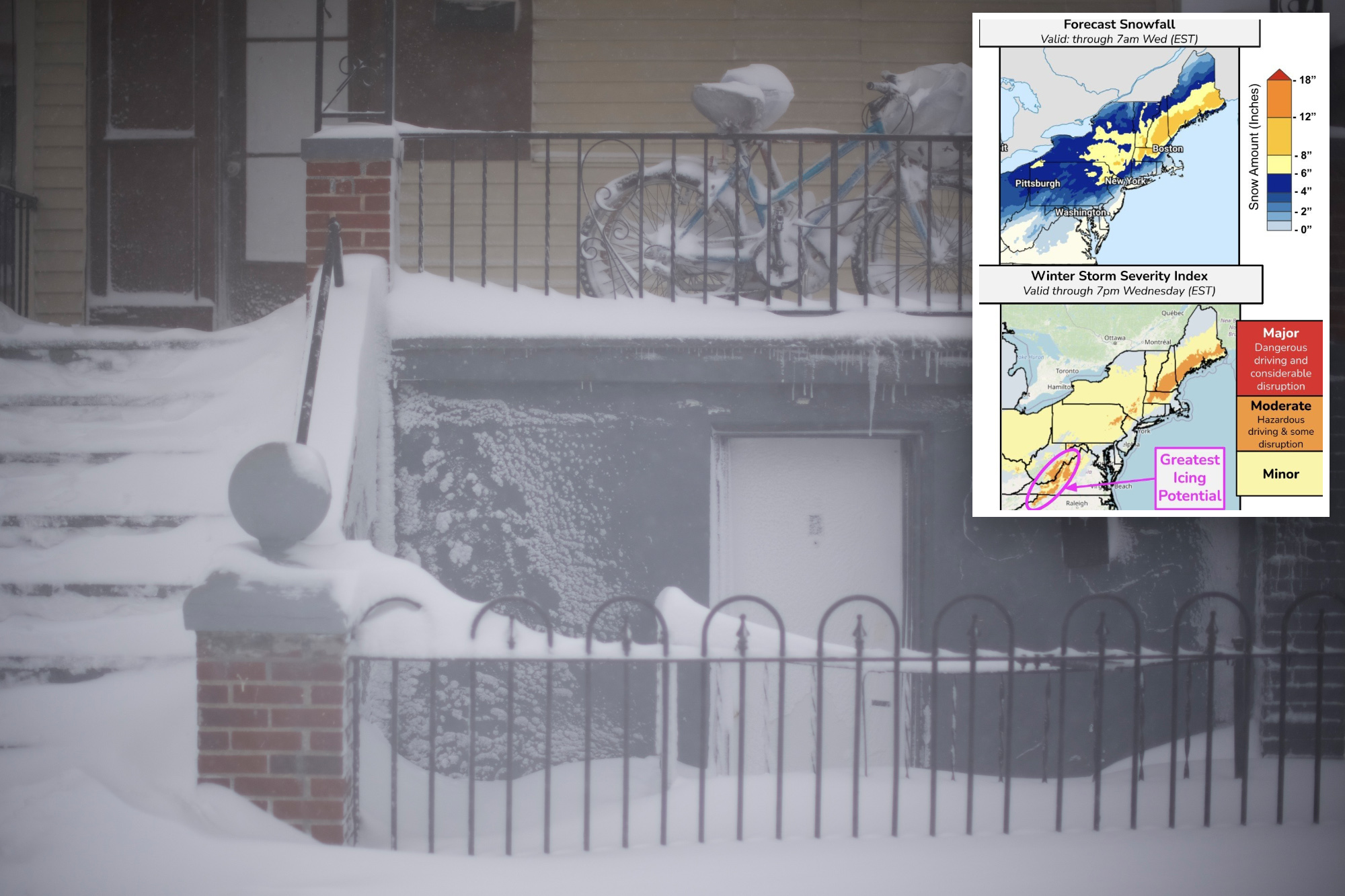
he Northeast is preparing for its third major winter storm of the week, a powerful bomb cyclone that is expected to deliver heavy snowfall, hazardous travel conditions, school closures, and potential damage to homes. The National Weather Service has issued an “Urgent Winter Weather Message,” warning that up to 12 inches of snow could accumulate in parts of Vermont, Massachusetts, and eastern New York. Temperatures may plunge to record lows, creating risks that extend beyond a chaotic commute.
The storm’s intensity could trigger costly home damage: burst pipes, roof leaks, ice dams, and power outages. Taking preventive measures now can protect your property before the storm hits.
**Storm Overview**
A low‑pressure system off the Gulf Coast intensified on Monday night, transforming a typical winter storm into a bomb cyclone. This rapid drop in atmospheric pressure fuels strong winds, heavy precipitation, and coastal flooding. As the system moves from the Ohio Valley into the Northeast, it has already left a trail of several inches of snow across Missouri, Indiana, Kentucky, and Ohio, causing hundreds of crashes, stranded drivers, and temporary travel bans.
Snow totals of up to 12 inches are projected for Vermont, Massachusetts, and eastern New York. By Tuesday, the “snow zone” will shift into the interior Northeast—western and central Pennsylvania, upstate New York, northern New England, and higher elevations—where steady snow and occasional heavy bursts will pile up on roads, reduce visibility, and increase the likelihood of spinouts and power outages.
Along the I‑95 corridor, the impact is different but still disruptive. Washington, DC; Baltimore; Philadelphia; New York City; and Boston will experience cold, soaking rain, with brief wet snow or sleet near the rain‑snow line just northwest of the major cities. Temperatures will hover just above freezing, limiting major road icing in urban cores, but slush, ponding water, and low visibility will still make commutes difficult. As the storm bombs off the New England coast later Tuesday into early Wednesday, winds will intensify along the shoreline, raising the risk of coastal flooding, downed branches, and scattered power outages even in areas that primarily see rain.
**Arctic Air and Heating Strain**
Behind the system, a surge of Arctic air will lower temperatures sharply across the central and eastern U.S., setting the stage for slick refreezing on untreated surfaces and adding extra strain on home heating systems for the rest of the week.
**Preparedness Gap**
A national survey by SafeHome.org shows that basic preparedness for major storms is alarmingly low. Only 19 % of homes have backup power sources, and a mere 5 % of Americans maintain a fully stocked emergency kit. Nearly half of Americans now rely on social media for storm‑preparation guidance rather than expert sources, and almost one in three took no emergency steps in the past year. These gaps coincide with a clear rise in costly winter weather: winter storms and freezes caused $3.6 billion in damages in 2024 and more than $27 billion in 2021, according to NOAA.
For homeowners, this means that nor’easters, bomb cyclones, and similar storms can threaten their biggest asset through burst pipes, prolonged power outages, and damage from snow and ice. With this week’s storm on the way, it is critical to act now.
**Protecting Your Pipes**
When a bomb cyclone arrives, the obvious threats are outside—snowdrifts, black ice, downed power lines. Inside, frozen pipes can be the most expensive consequence. “You may not know a line has frozen and ruptured until after the weather relents and a thaw begins,” says Russell Vent, vice president of Paul Davis Restoration. “This can be a major surprise to those who believe everything is fine during a freeze event, only to uncover a burst pipe causing major damage after the weather warms.”
Unprotected plumbing systems can quickly become the epicenter of severe water damage. Vent stresses that the best defense is to focus on plumbing: trace where pipes run, especially along exterior walls or in drafty areas like basements, attics, and crawl spaces; check for proper insulation; and ensure outdoor spigots are shut off and fully drained. If you’ll be away during the storm, consider having a professional winterize your home temporarily. Don’t wait until the ice thaws and water starts seeping through the ceiling—plumbing failures after a hard freeze can be devastating and are often preventable.
**Preventing Ice Dams**
Heavy snow and deep cold create ideal conditions for ice damming, a hidden and destructive threat. Ice dams form when warm air escapes into the attic, melts the underside of the snowpack, and the meltwater refreezes along the colder edges of the roof. The resulting ice wall blocks runoff, forcing water back under shingles, into attics, and down walls.
Vent recommends immediate action: ensure your roof is in good condition; keep the attic well insulated; clear gutters and make sure they are functioning before snow falls; and maintain proper airflow in the attic. Air should enter the eaves (soffits) and exit through roof vents or a continuous ridge vent. If additional protection is needed, install heat cables, use a roof rake to clear the eaves, and apply ice‑melt socks to create runoff channels. Keep a local ice‑dam removal professional on speed dial.
**Insurance Coverage**
When snow and ice damage a home, many owners expect insurance to cover the costs. However, coverage varies widely depending on the type of damage, circumstances, and whether the homeowner took reasonable steps to protect the property in advance. For example, if a frozen pipe bursts and floods the home, a claim could be denied if the insurer determines you didn’t maintain heat or monitor the house properly. “Make sure you are keeping your home heated properly and you can prove it,” says Vent. Some insurers require proof from your energy supplier that your home was being heated before they will cover a claim.
Even if you’re not staying in the home full time, you need to monitor it regularly. Failure to do so has led to insurance claim denials. Fewer than 40 % of households have recently reassessed their home insurance coverage, according to SafeHome.org. If you fall into this group, don’t wait until after the storm to ask questions about your policy. A quick call to your insurance agent could save you thousands.
By acting now—inspecting and insulating pipes, preparing for ice dams, and reviewing your insurance—you can reduce the risk of costly damage and ensure your home is ready for the coming bomb cyclone.