C
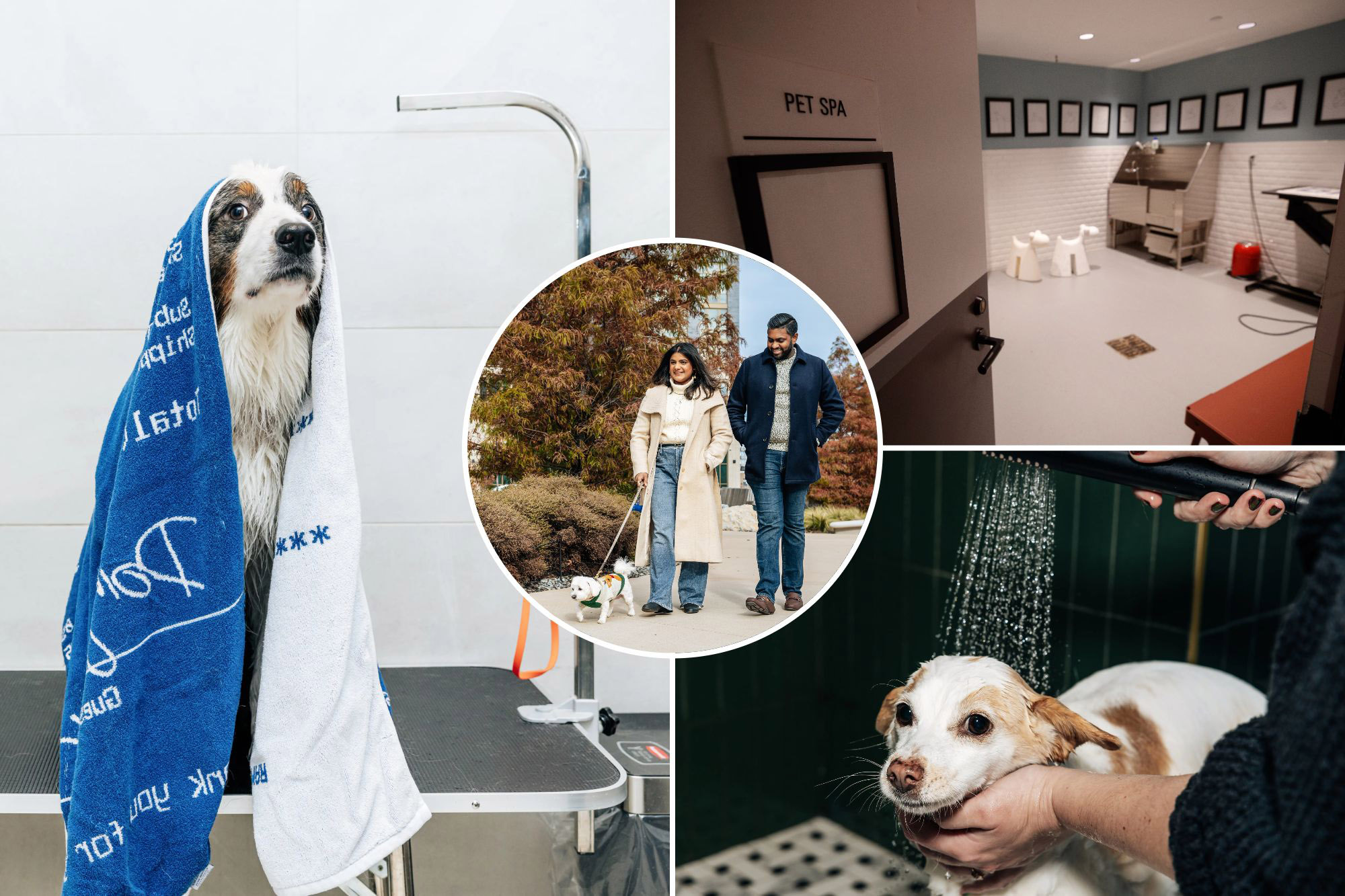
hoosing a place to settle is a joint decision for human and canine families. Finding a city that meets both needs—homes, parks, veterinary care—has been daunting, especially in dense metros where space is scarce. A new ranking by LawnStarter, a nationwide lawn‑care provider, now simplifies the search by evaluating 500 U.S. metros for dog friendliness.
LawnStarter’s analysis weighs five key dimensions:
- Care (36 %): density of vets, emergency clinics, groomers, sitters, trainers, boarding facilities.
- Community (28 %): dog parks, walking routes, local events, animal‑welfare statutes, shelter access, breeder regulations.
- Businesses (12 %): pet‑friendly restaurants, hotels, shops, pet‑transport and delivery services.
- Housing (16 %): average home and yard size, proportion of rentals that allow dogs.
- Affordability (8 %): cost of grooming, sitting, training, insurance relative to local income.
The results were surprising. Major metros such as New York City (rank 4), Austin (15), Los Angeles (30), and Charlotte (31) scored highly, proving that large cities can support canine life. The top ten dog‑friendly metros are:
1. Frederick, MD
2. Asheville, NC
3. Scottsdale, AZ
4. New York, NY
5. Santa Fe, NM
6. Wilmington, NC
7. Orlando, FL
8. Santa Monica, CA
9. Raleigh, NC
10. Bend, OR
These cities compensate for smaller open spaces with walkable streets, parks, and abundant pet services. LawnStarter also highlighted that Allen, TX (25) and Frisco, TX (57) offer the largest homes, while Murfreesboro, TN (102) and Suffolk, VA (121) lead in yard area.
The South dominates the top‑50 list with 28 metros, including Asheville’s No. 2 overall spot. Affordability emerged as a critical factor; Detroit (460), Newark, NJ (476), and Hartford, CT (483) rank among the worst dog cities because pet‑care costs outpace local incomes.
In contrast, the top ten provide comprehensive amenities—from spacious play areas to excellent medical care—making them ideal for dog owners seeking a balanced lifestyle.