U
S retailers are once again expanding their physical footprints, a reversal of the contraction seen in recent years. In the third quarter of 2025, chains added 5.5 million square feet of leased space, surpassing the amount they vacated, according to CoStar Group data. This growth comes amid historically low vacancy rates and a slowdown in new retail construction, with 2025 projected to be one of the weakest years for new retail‑space delivery in decades.
The surge is strongest among discount, grocery‑anchored and value‑oriented retailers, indicating that demand is concentrated in everyday‑essential categories rather than discretionary or luxury segments. Rather than reopening large flagship stores, many brands are opting for smaller, neighborhood‑based locations that align with the rise of e‑commerce and hybrid shopping habits. Consumers now prioritize convenience and proximity, making compact local stores more attractive than sprawling destination malls.
This shift has altered the perception of retail real estate among landlords and investors. After years of uncertainty and store closures, the sector is again viewed as a credible, investable asset class. Tight supply and renewed demand are likely to drive higher rents and stronger occupancy rates, especially for existing properties that can accommodate both retail and fulfillment functions.
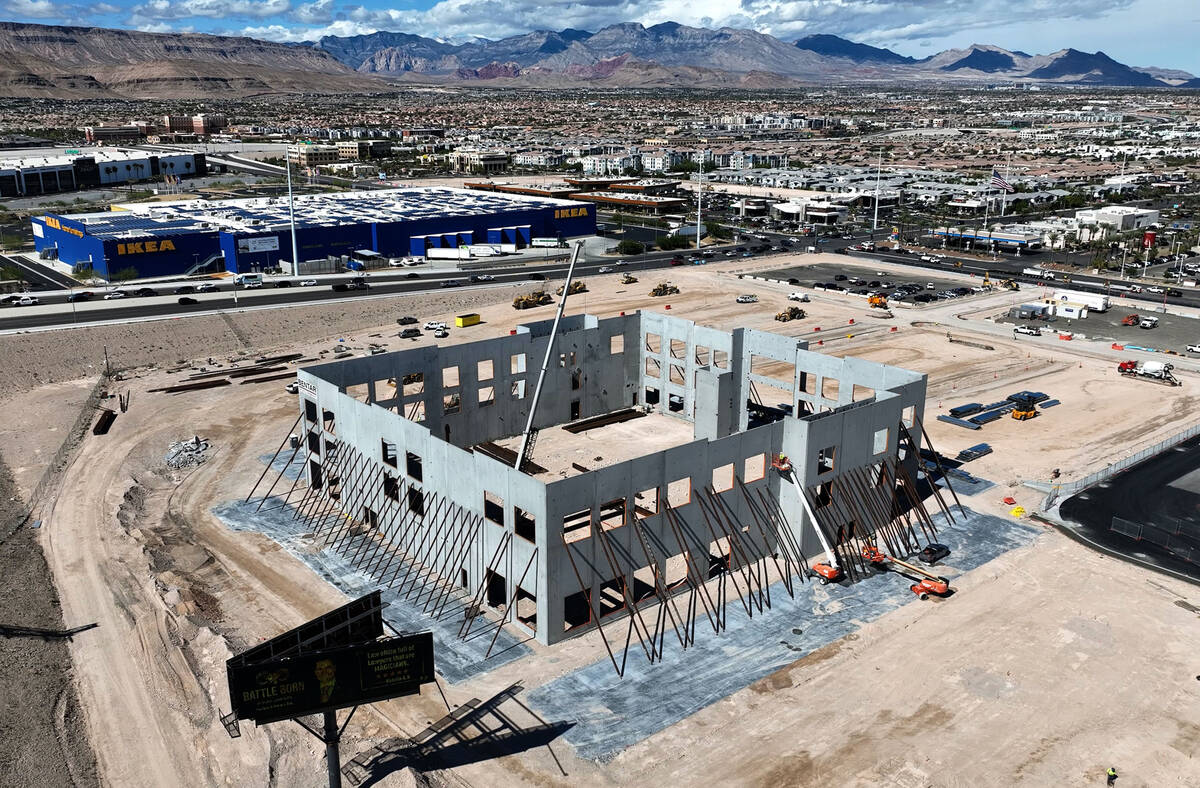
Global retailers and investors should note that acquiring leasehold or freehold retail property is becoming more competitive. With fewer development opportunities, the value of existing assets rises, offering opportunities for omnichannel expansion in resilient, essential‑retail sectors. However, challenges remain: high construction costs, ongoing economic uncertainty, and rising interest rates continue to weigh on new development.
Success will hinge on a selective, data‑driven approach that targets neighborhood‑level convenience stores, grocery‑anchored centers, or small‑footprint formats that match current consumer demand. In this surprisingly resilient market, physical retail real estate is regaining relevance, potentially signaling the start of a new growth cycle for the global retail sector.