2
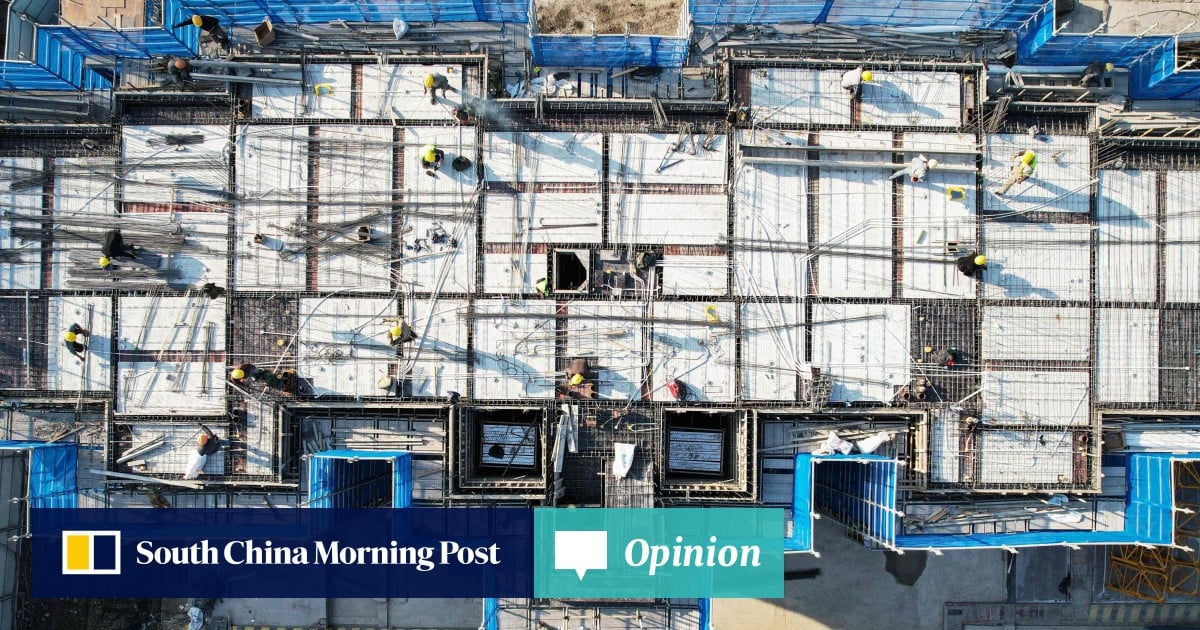
026 commercial real‑estate forecasts highlight New Jersey as a key player, with the Urban Land Institute and PwC’s Emerging Trends report naming Jersey City and North Jersey among the most attractive markets. The survey, drawing insights from over 1,700 investors, developers, lenders and advisors across the U.S. and Canada, identifies redevelopment, data‑center growth and mixed‑use projects as primary growth engines, while tariffs, rising construction costs, interest rates and municipal fatigue pose ongoing challenges.
Andrew Alperstein of PwC notes that the industry’s recent volatility has sharpened focus on fundamentals and high‑growth sectors. He points to AI infrastructure and senior‑housing demand as 2026 opportunities that reward speed, data‑driven insight and long‑term vision.
The top ten markets for 2026, according to the report, are:
1. Dallas‑Fort Worth
2. Jersey City
3. Miami
4. Brooklyn
5. Houston
6. Nashville
7. North Jersey
8. Tampa‑St. Petersburg
9. Manhattan
10. Phoenix
Jersey City leapt 17 places from 19th to 2nd, while North Jersey rose from 22nd to 7th. The city is described as a fast‑growing commercial hub with close ties to New York City, offering startups and established firms a scalable, affordable environment with access to talent, investors and global markets. Its 1,300 acres of parkland, high‑quality dining and rents below Manhattan’s have fueled a 7.5 % population increase from 2020 to 2024. The office market is diversifying, yet finance, insurance and real‑estate (FIRE) firms still dominate leasing, accounting for 63 % of activity between 2022 and 2025.
Current obstacles include tariff‑driven cost inflation, higher borrowing rates, and municipal fatigue. Donald Pepe and Joe DeMarco of Scarinci Hollenbeck LLC explain that financing stalls, rising construction costs, and the disappearance of long‑term tax abatements are hampering projects. Municipalities, burdened by affordable‑housing mandates, often resist new developments, creating a “back‑swing” that can derail deals.
Data‑center demand, fueled by AI and cloud computing, remains strong but is constrained by power and utility limits. National vacancy rates stay below 2 %, and many facilities are pre‑leased before completion. CoreSite’s NY3 in Secaucus added 138,000 sq ft to the regional footprint, yet developers cite premium land costs and utility strain as significant hurdles.
Mixed‑use redevelopment of retail properties is proving successful. Projects like a former strip mall in Mount Arlington, a partnership with Raritan Valley Community College for student housing and retail, and Hoboken Brownstone Co.’s plans for Liberty Village and Voorhees Town Center illustrate how converting obsolete retail into residential and commercial hubs can revitalize communities. Similar initiatives are underway at Monmouth Mall and Westfield Garden State Plaza.
Health‑care expansion is emerging as a new “warehouse” for the state. Hackensack Meridian Health has opened four ambulatory centers in Clifton, Paramus, Clark and Eatontown, with a fifth slated for Woodbridge. These facilities bring services closer to communities, are easier to fund, and face little opposition from residents, who welcome local access to care.
Affordability remains a critical issue. New construction has slowed as job growth and immigration wane, pushing residents toward smaller, more affordable cities. Municipalities often resist the density required to offset affordable‑housing costs, and developers note that without partnership, projects struggle to meet mandated unit ratios. Upcoming zoning deadlines in March–April will pressure towns to act, potentially diverting attention from other development initiatives.
Artificial intelligence is reshaping legal work, offering rapid document summaries but raising ethical, privacy and licensing concerns. While AI can streamline initial reviews, experts caution that overreliance may erode essential analytical skills.
New Jersey’s strategic location between New York and Philadelphia, its skilled workforce, and robust community infrastructure make it a “bright spot” for developers. Despite regulatory and economic hurdles, the state’s blend of opportunity and challenge attracts those who can navigate complex landscapes and deliver lasting value.
Key projects exemplifying this dynamic include NY Vue, a 26‑story mixed‑use tower in Bayonne that will become the city’s tallest building, and the revitalization of the long‑vacant Flemington Outlet mall. These developments underscore the potential for transformative growth when vision, partnership and perseverance converge.