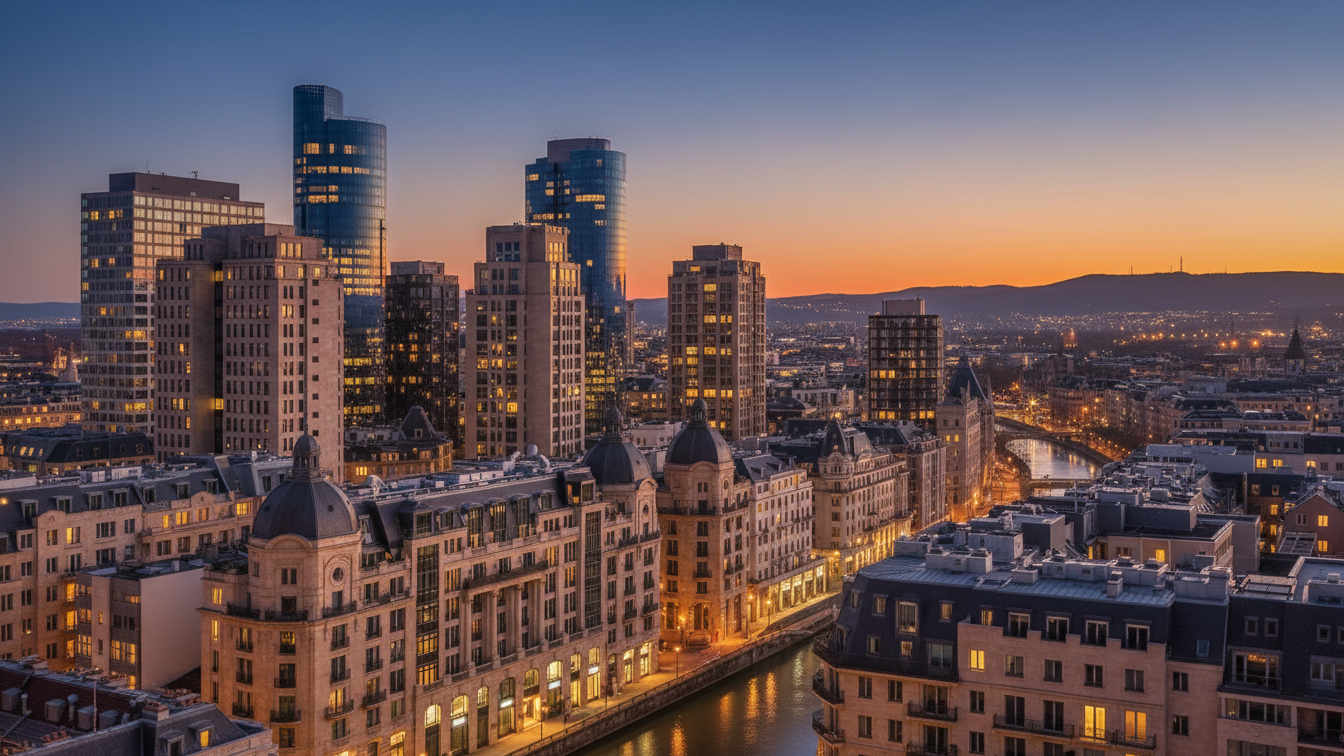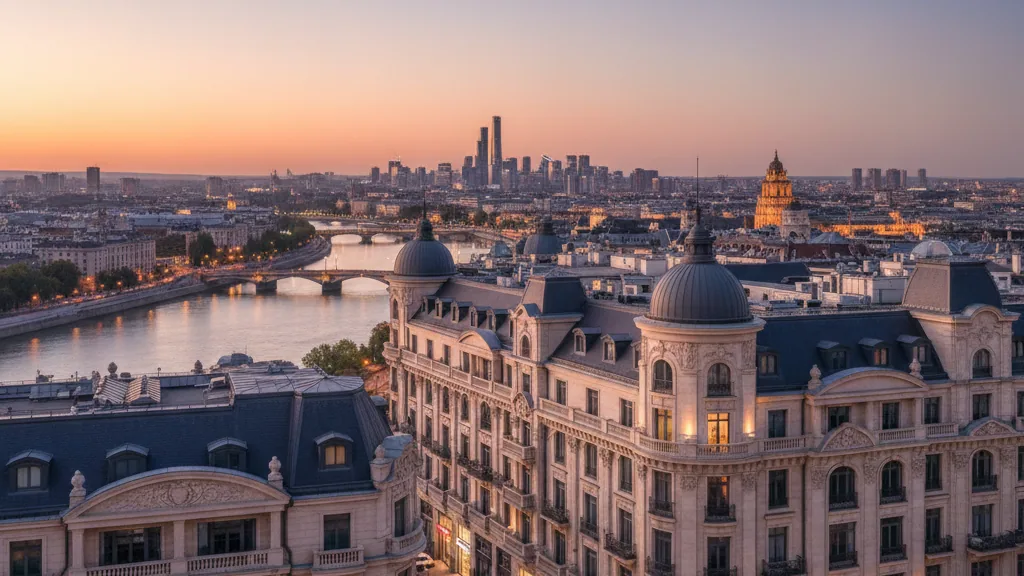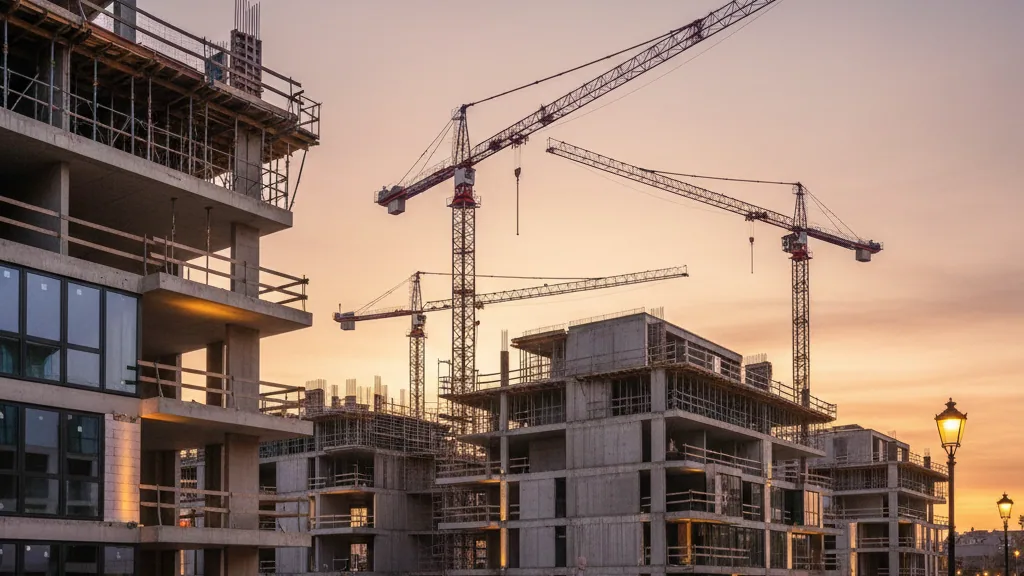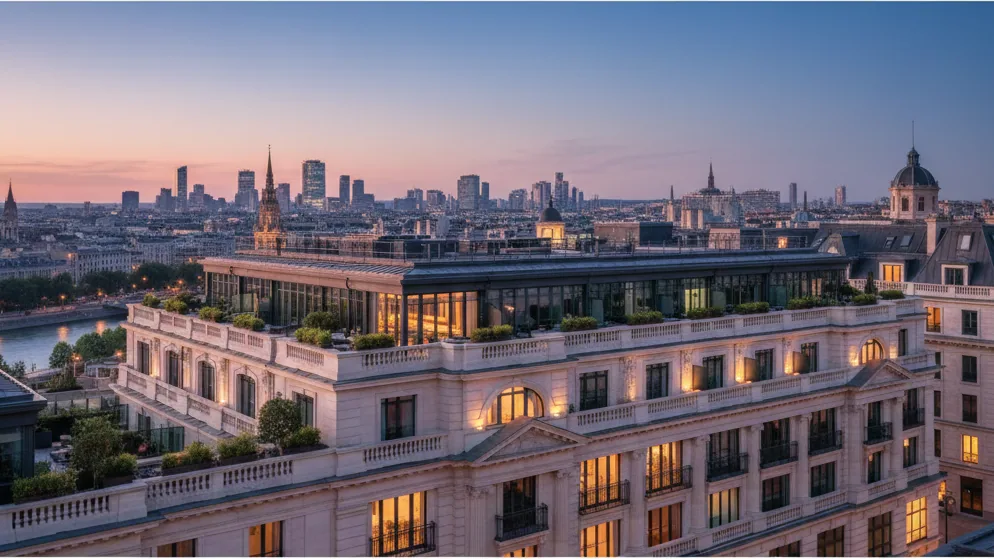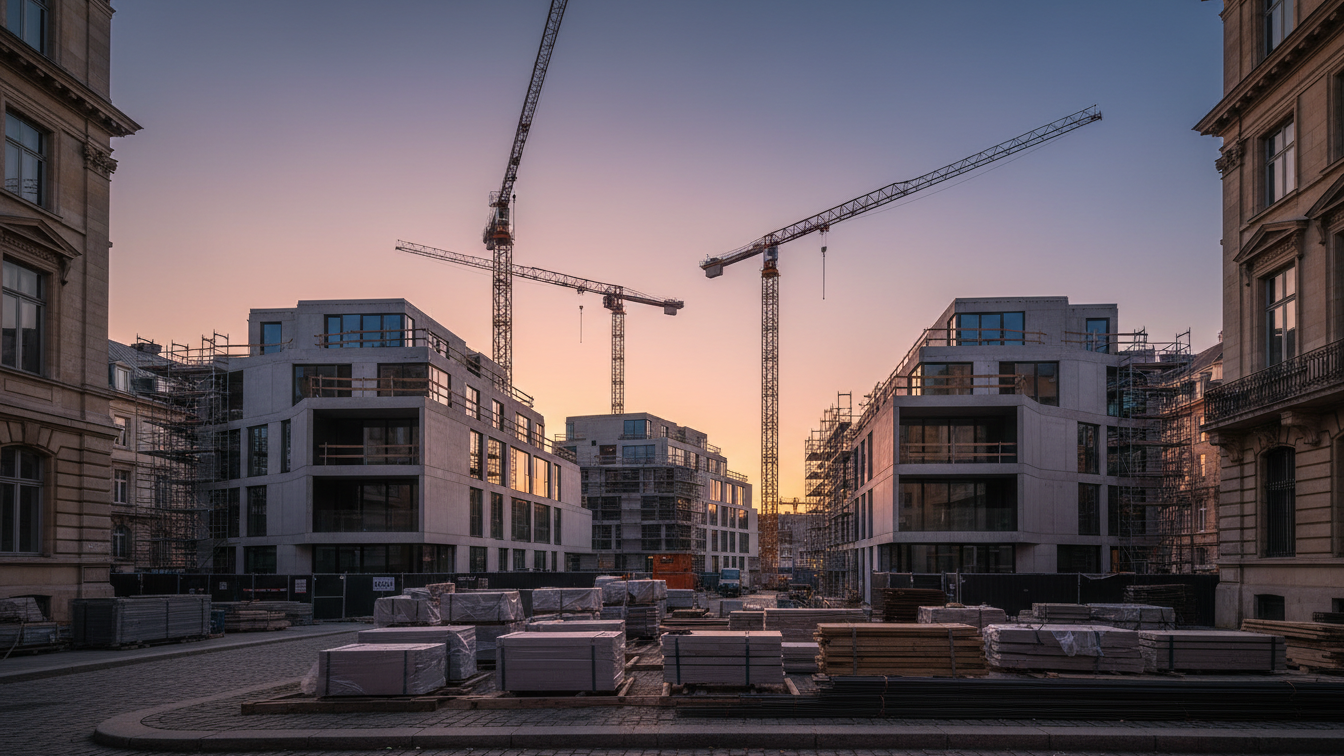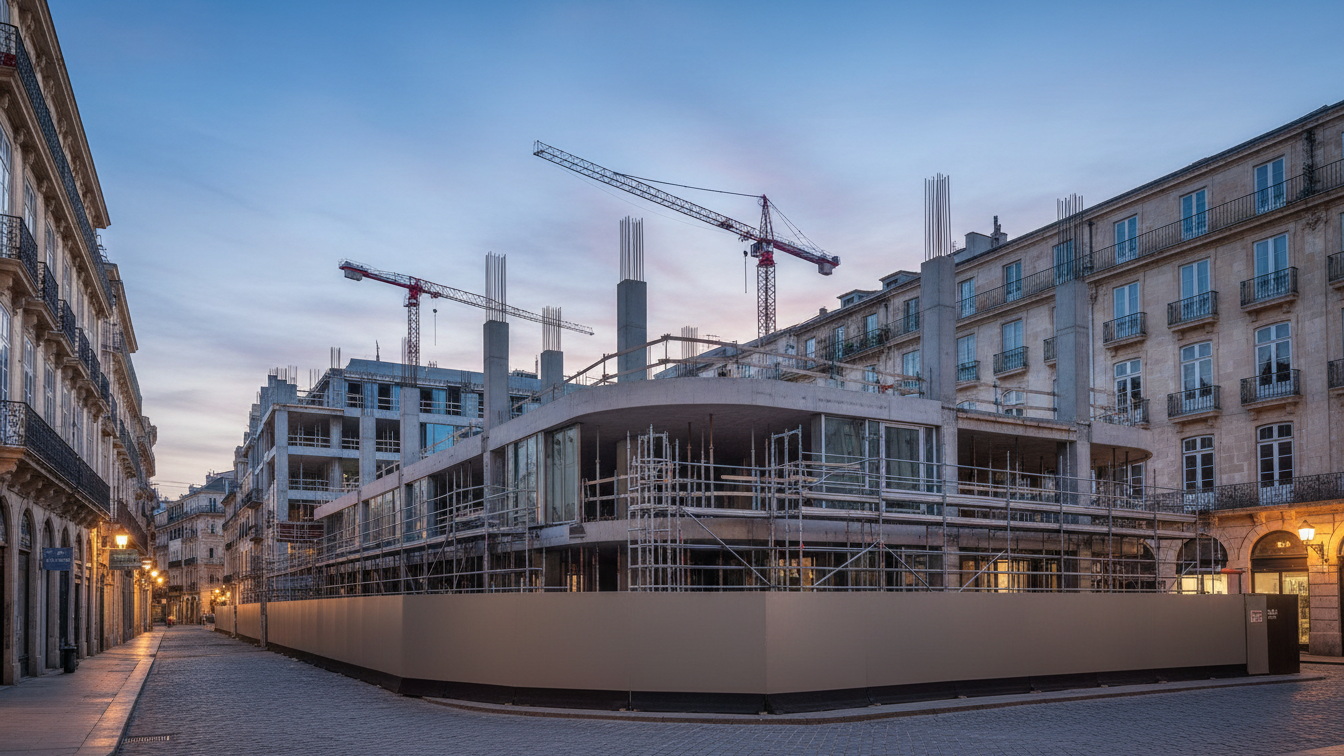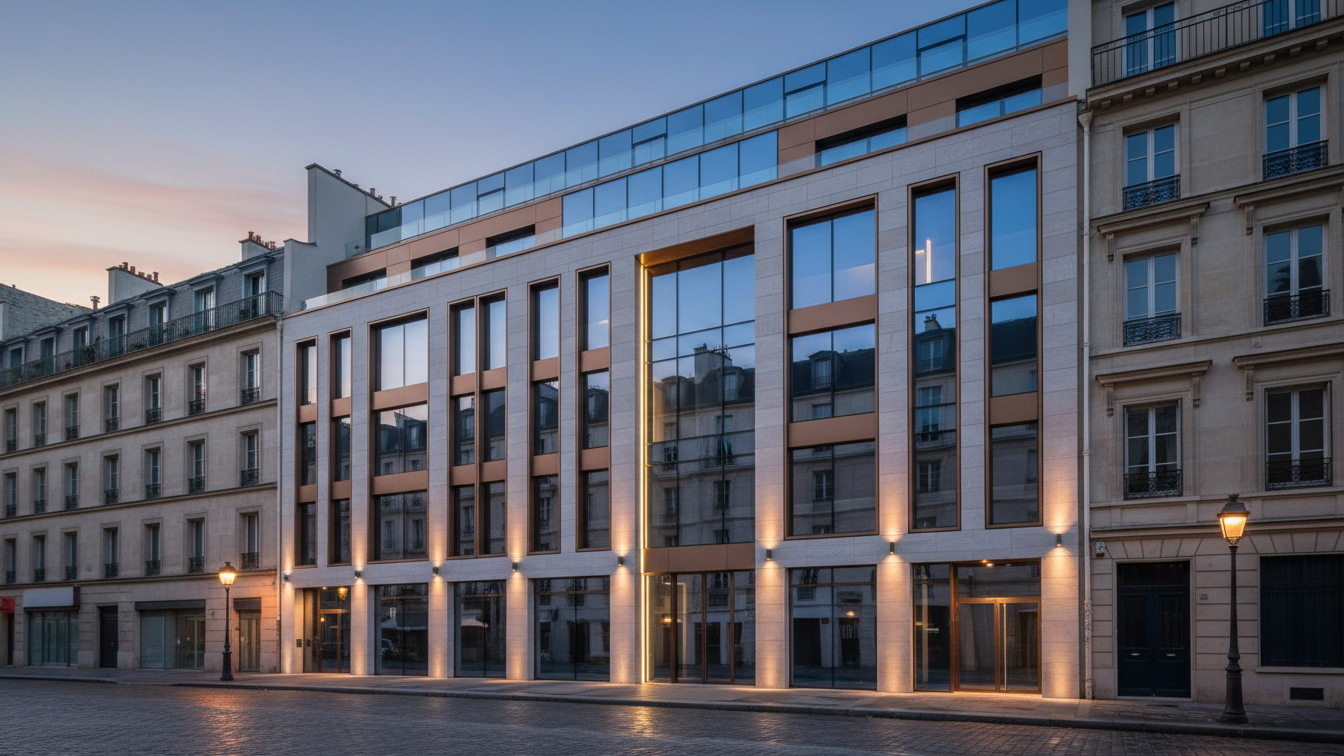
The demands on modern office properties are subject to continuous change. Companies are no longer primarily looking for mere office space, but for work environments that consistently integrate sustainability aspects, efficiency, and user comfort. The Nordhafen Living & Office project, being realised by JTRE Germany in Berlin's Europacity, addresses these developments with a concept that combines contemporary working with sustainable urban development.
Current market studies confirm that criteria from the areas of Environment, Social, and Governance (ESG), healthy workplaces, and flexible space concepts significantly influence location decisions. The office property thus evolves beyond its classic function as a workplace into a strategic instrument for employee retention, shaping corporate culture, and long-term competitiveness. Sebastian Mirrek, Managing Director of JTRE Germany, notes that the debate about the future of work is often reduced to home office and digitalisation, whereas in practice it is primarily about the quality of the work environment. Companies are seeking premises that promote productivity, support employees, and simultaneously meet sustainability goals. This, he states, is the premise for successful office locations.
Sustainability as an Economic Factor
The requirements from the ESG sector are influencing the real estate industry more comprehensively today than ever before. In addition to regulatory requirements and climate protection targets, economic aspects are gaining importance. Energy-efficient buildings lead to a reduction in operating costs, minimise risks, and promote the long-term value stability of properties. At the same time, the expectation of investors, companies, and users for transparency regarding the ecological and social quality of buildings is growing. Certifications such as LEED and WELL establish measurable standards for sustainability, health, and user comfort. Mirrek emphasises that ESG is no longer merely a reporting task; instead, sustainable buildings represent tangible added value for companies, employees, and investors. Investments in future-proof work environments are thus an investment in the attractiveness of a location.
Parallel to this, workplace needs are changing. While hybrid work models are implemented in many organisations, the office is regaining importance as a place for encounters, exchange, and cultural identification. Flexible layouts, high amenity quality, ample daylight, optimised air quality, and intelligent building technology are becoming crucial criteria when choosing spaces. Companies recognise that attractive work environments significantly contribute to attracting and retaining skilled workers. Experts observe a redefinition of office property, which is evolving from a classic workplace to an environment that promotes collaboration, innovation, and user well-being.
Nordhafen Office as a Reference for Modern Work Environments
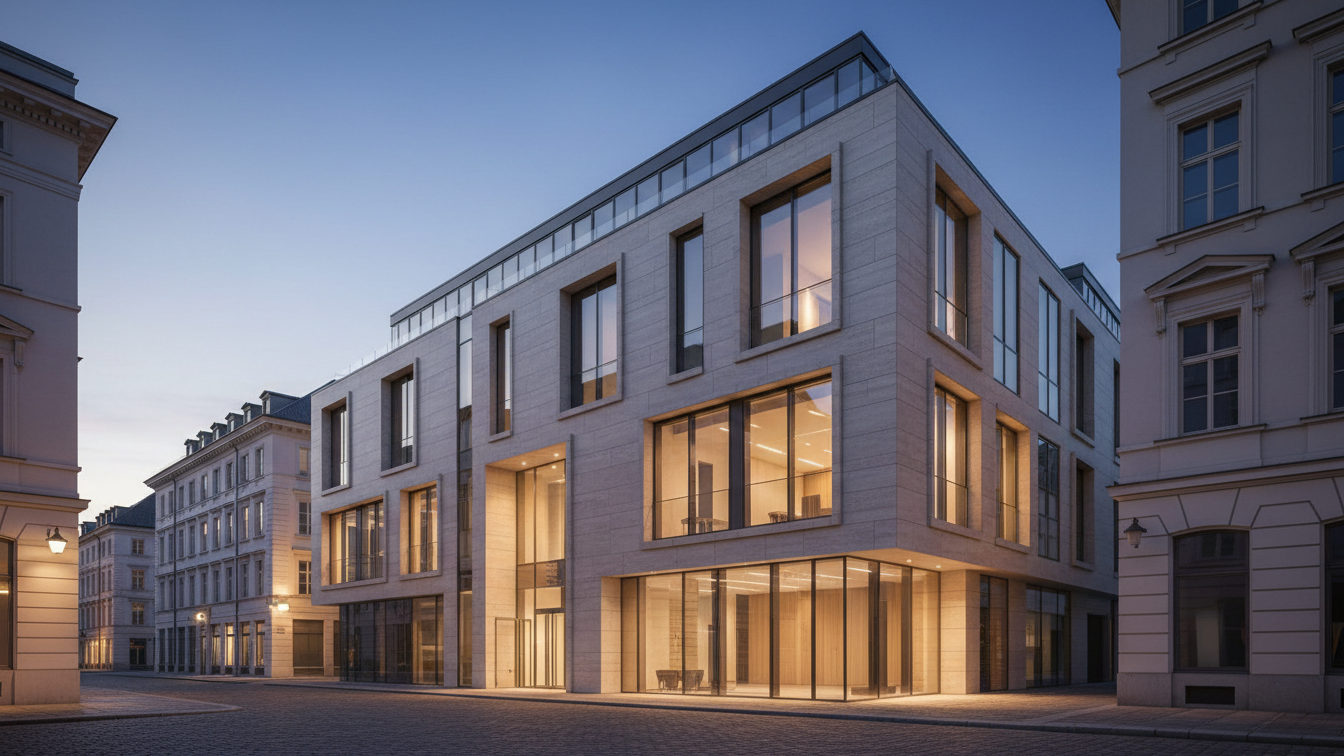
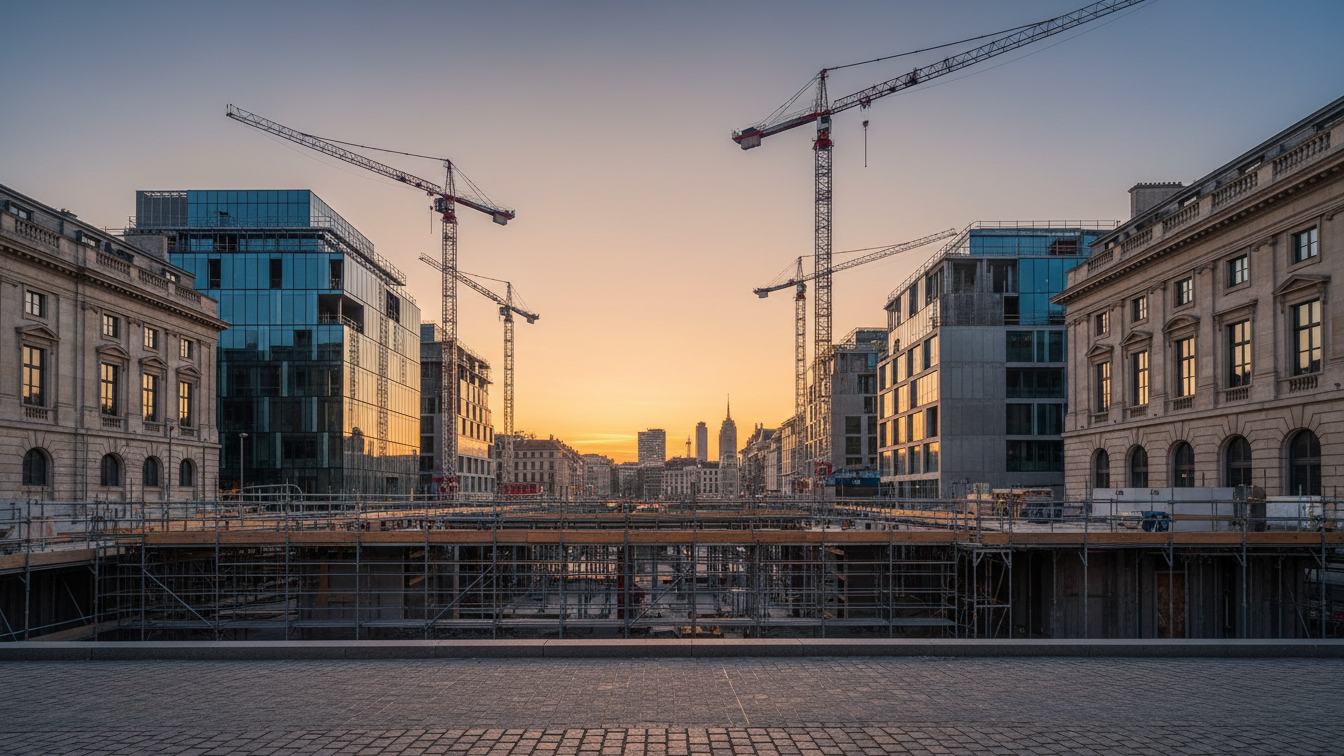
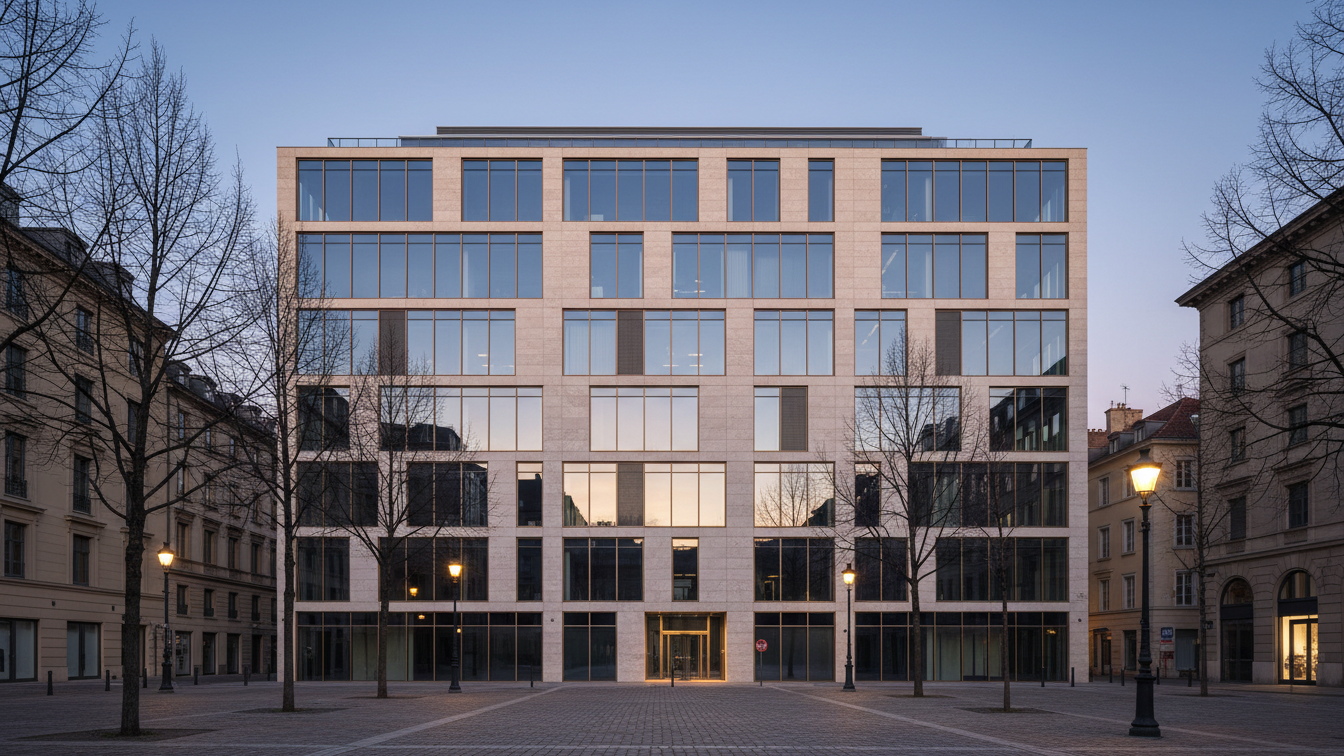
With the Nordhafen Office, JTRE Germany is developing an office building in Europacity that is tailored to current requirements. Approximately 7,500 square metres of flexible work environments are being created, with unit sizes ranging from 30 to 1,500 square metres, complemented by direct water views. An additional 2,400 square metres on the ground floor are earmarked for retail and gastronomy, enhancing the overall amenity quality. The building aims for LEED Platinum and WELL certifications and integrates sustainable technologies such as photovoltaic systems, heat pumps, intelligent building control, and systems for rainwater retention and reuse. The goal is to synthesise ecological responsibility, economic efficiency, and user needs. The Nordhafen Office is also an integral part of a mixed-use district that combines living, working, and urban infrastructure. Its location in Europacity, near Berlin's main railway station, exemplifies a new generation of urban development projects focused on short distances, sustainable mobility, and a high quality of life.
JTRE Germany interprets this development as proof of the close connection between the future of work and urban development. Modern office buildings must therefore go beyond merely providing space. They act as part of a comprehensive urban ecosystem that considers people, companies, and the environment. According to Mirrek, the most successful workplaces of the future will be those that balance sustainability, flexibility, and quality of life. These factors will largely determine the attractiveness of companies, locations, and cities in the coming years.