The global coronavirus pandemic initiated a significant change in the utilisation of office spaces. For months, numerous offices recorded reduced attendance as mobile working quickly advanced from an optional way of working to an established standard. This development had far-reaching consequences for the physical occupancy of commercial properties.
The initial shift in workplaces presented companies with new challenges regarding the design of work environments and the maintenance of corporate cultures. At the same time, opportunities arose for a redefinition of the office as a central place for collaboration and exchange, rather than primarily as an individual workstation.
Implications for the Real Estate Market
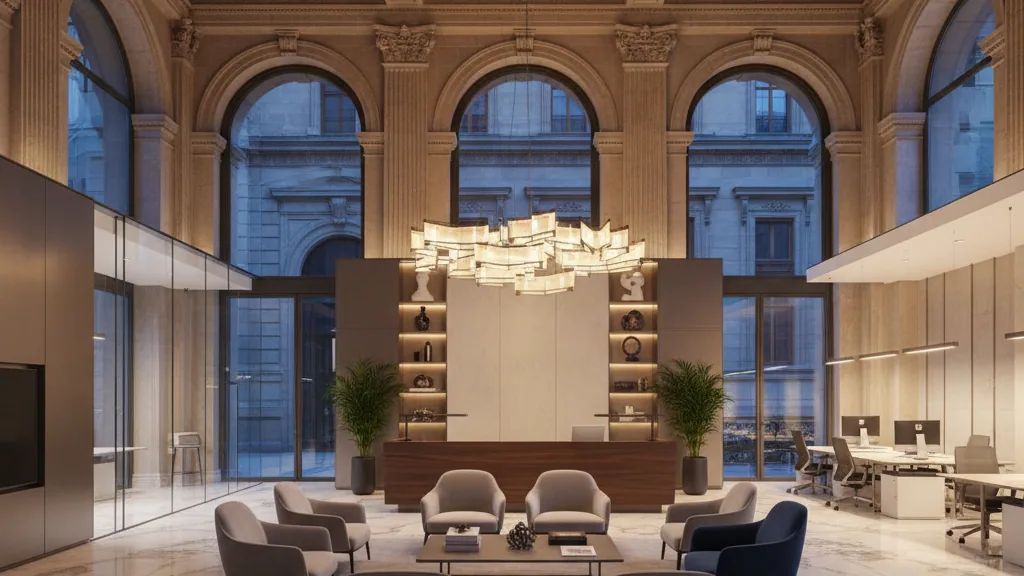
For the real estate market, this development results in a re-evaluation of the requirements for modern office spaces. Flexible usage models, hybrid workplace concepts, and a stronger focus on multifunctional spaces are gaining importance. The attractiveness of office buildings is increasingly determined by their ability to support both individual concentration and cooperative projects.
The long-term effects of this transformation are manifesting in an ongoing discourse about the optimal balance between in-person work and remote activities. Owners and project developers are challenged to offer spaces that meet the increased expectations for flexibility and functionality. This includes not only the physical fit-out but also the integration of digital infrastructures.
The future design of office environments will therefore not only aim at the mere availability of space but increasingly at the quality and adaptability of these spaces to dynamic working models. Precise market analysis is essential to adequately address this change in demand and to develop sustainable property solutions.