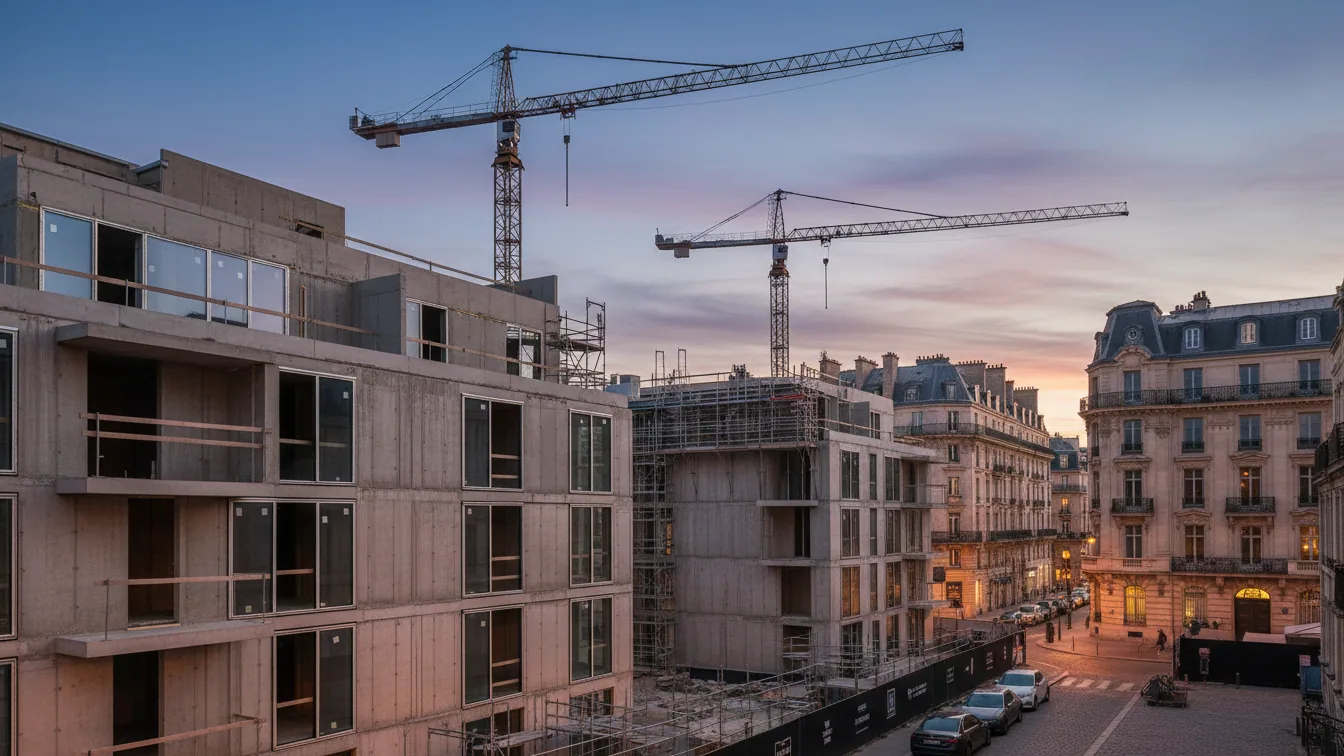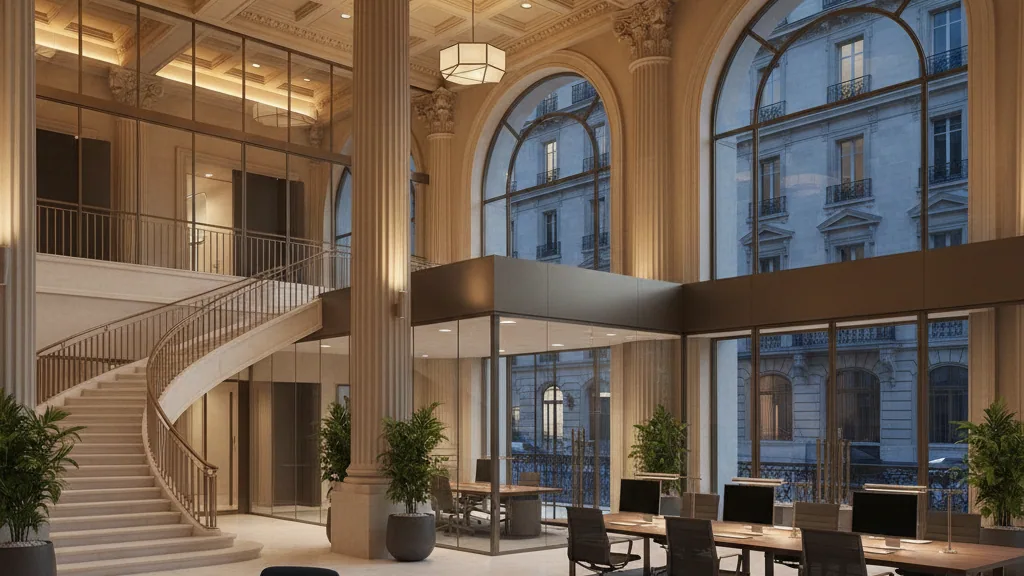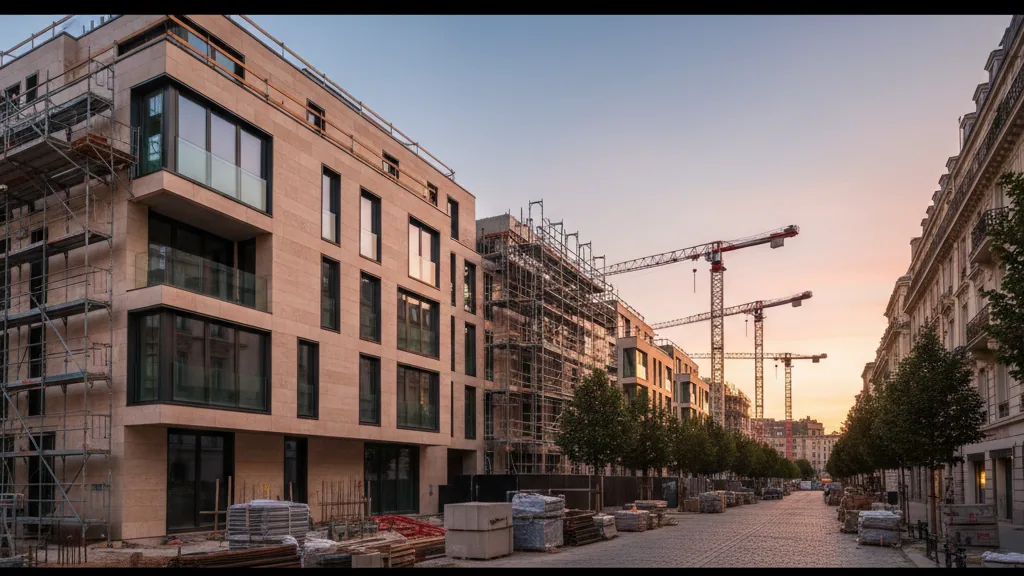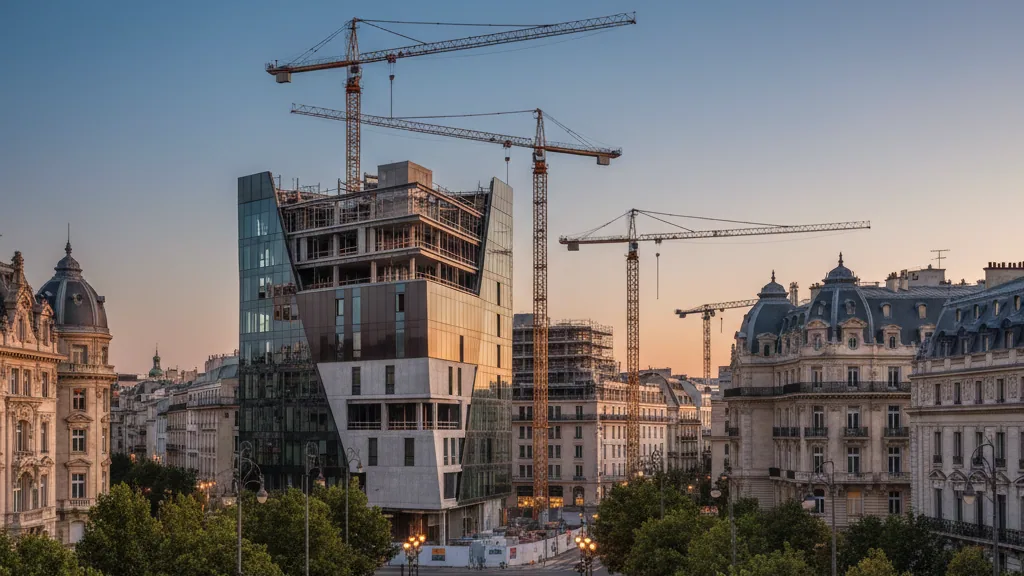
For a few days last week, two bent steel beams in the Pfizer building dominated real estate news in America. Anyone who focused solely on headlines might have concluded that the conversion of offices to residential space had suddenly run into trouble. The opposite, however, is true. New York has quietly become the national leader in such conversions.
Approximately 70 projects, comprising over 20,000 potential residential units, are underway, representing billions of pounds in investment and one of the fastest housing construction shifts the city has seen in generations. Yet, remarkably little has been written about what is actually happening or why. Over the past two years, office-to-residential conversion has evolved from a trickle to a stream, now accounting for a significant proportion of the multi-family housing pipeline.
Thousands of affordable housing units are being realised in some of the wealthiest areas, including buildings on Billionaires' Row and Wall Street. Millions of square feet of unused office space are being repurposed. And despite a problematic week for the Pfizer building conversion, this trend continues to accelerate.
Game Changer and Policy Measures
How did New York City become the shining example of the office conversion revolution? Two crucial moments in the last two years played a role. Firstly, in April 2024, the Governor and state legislature reached a landmark housing agreement that included crucial regulatory changes and a new incentive programme called 467-m. This programme was designed to promote conversion projects and ensure that 25 per cent of the resulting homes are permanently affordable.
The second moment followed later the same year, when the City Council passed the “City of Yes for Housing Opportunity” programme, the most comprehensive overhaul of zoning regulations since the 1960s. For office conversions, “City of Yes” updated outdated rules regarding qualifying buildings and addressed regulatory inconsistencies that had blocked previous projects. The result is one of the most effective housing production programmes New York City has seen recently. Within two years, approximately 5,000 permanently affordable housing units are under construction, generally located in neighbourhoods with high development potential.
Outlook and Challenges
However, there is also headwinds that could dampen the next wave of conversions. The office market has gradually recovered to the extent that certain office buildings are now intended to remain as such. New opportunities are emerging to leverage the benefits of high building densities, creating conditions under which demolitions are increasingly attractive alternatives. It will also be important to observe how policymakers react to the incident at the Pfizer building and whether new regulatory oversight or programme adjustments slow down future projects.
Despite these challenges, New York City is likely only halfway through its current conversion cycle. There is a credible path to another 20,000-plus units, repurposing an additional 20 to 25 million square feet of obsolete office space. Many other cities will emulate the New York model, creating thousands more units. For New York City, past performance is a good indicator of future prospects. By tracking every conversion project using public and proprietary data, we can predict the next generation of projects, including over 1,000 target sites that exhibit the characteristics of a successful conversion. Even if only a small proportion of these projects are realised, the city's landscape is poised for further transformations.
While many cities face the dual challenges of post-COVID office obsolescence and persistent housing shortages, office conversions continue to represent the greatest opportunity to achieve diverse benefits: revitalising city centres, stabilising the office market, environmental advantages through reusing existing infrastructure, and the rapid development of new housing in high-demand, limited-supply metropolitan areas. Anyone walking through a modern city discovers architectural clues to long-gone industries. The adaptive reuse of old structures – from industrial loft buildings to garages – is not a new phenomenon. In decades to come, New Yorkers will probably not remember that many of these apartment blocks were once offices. They will simply be neighbourhoods. That is the quiet success of adaptive reuse – and we are still at the beginning of this story.