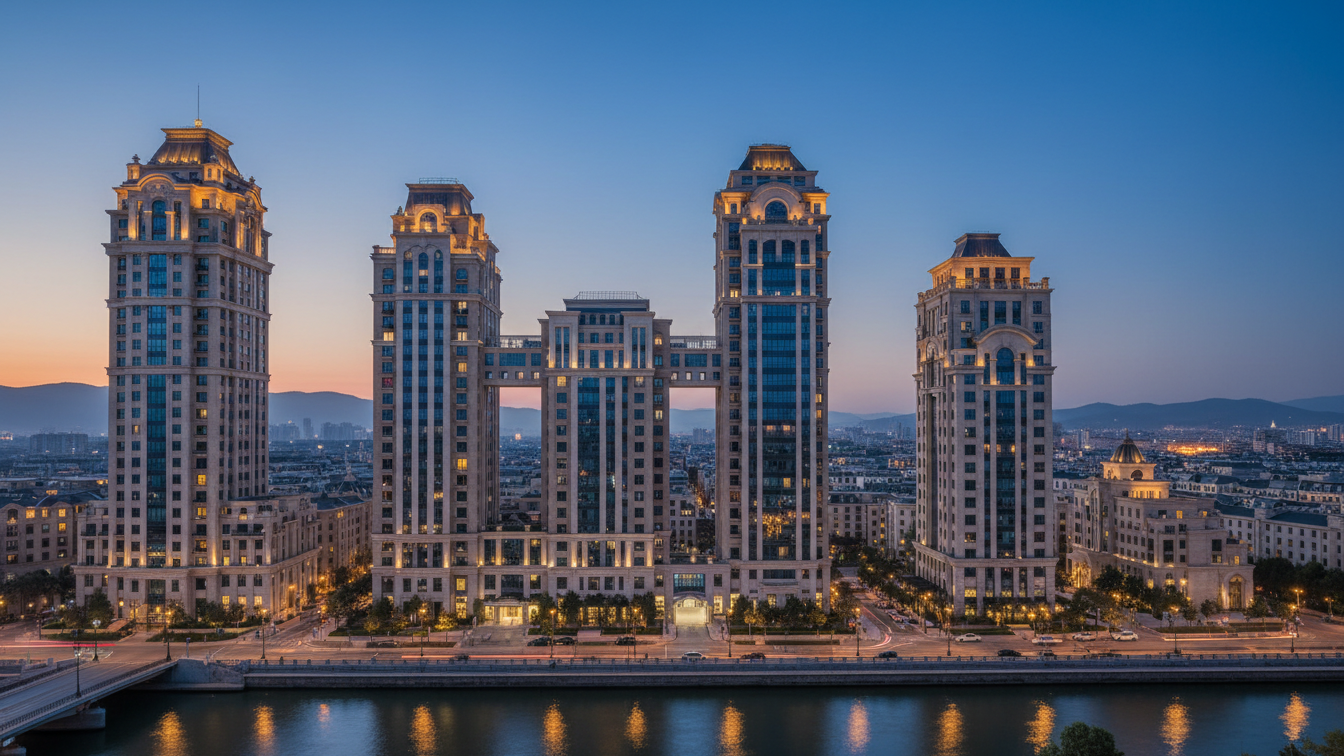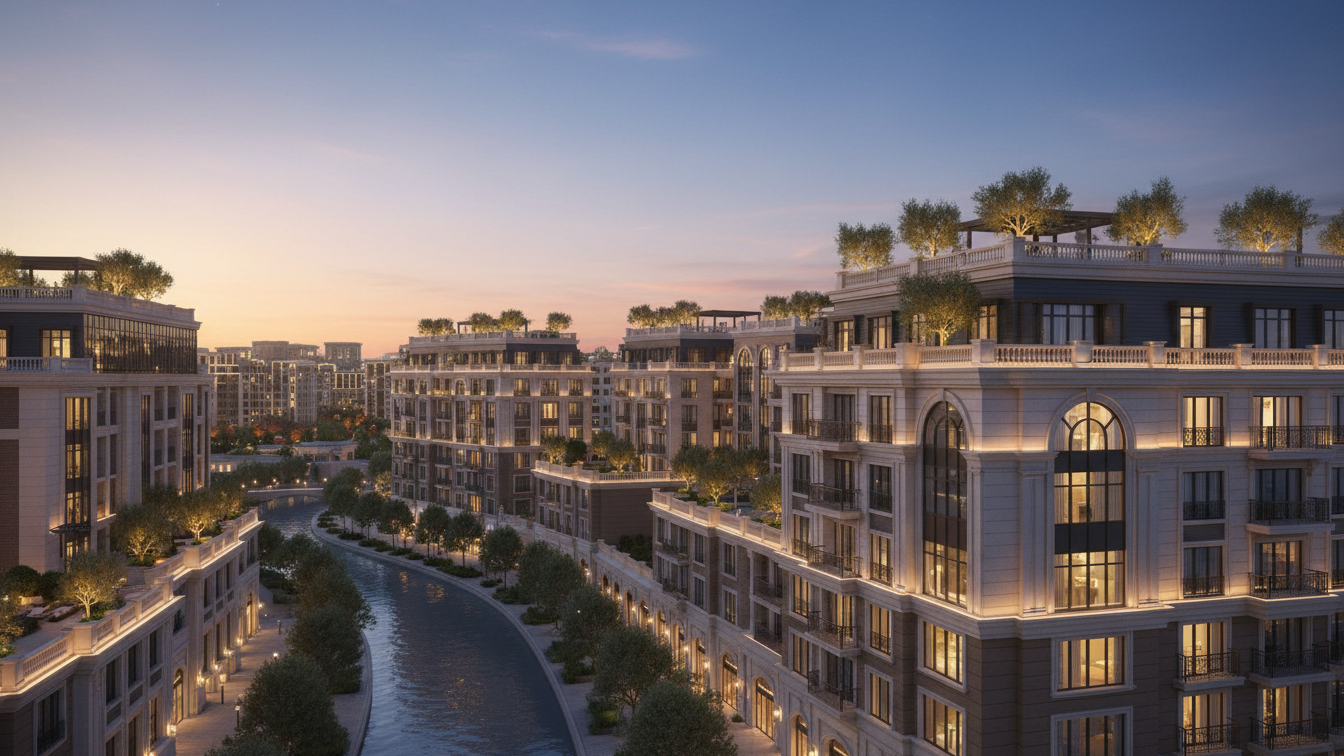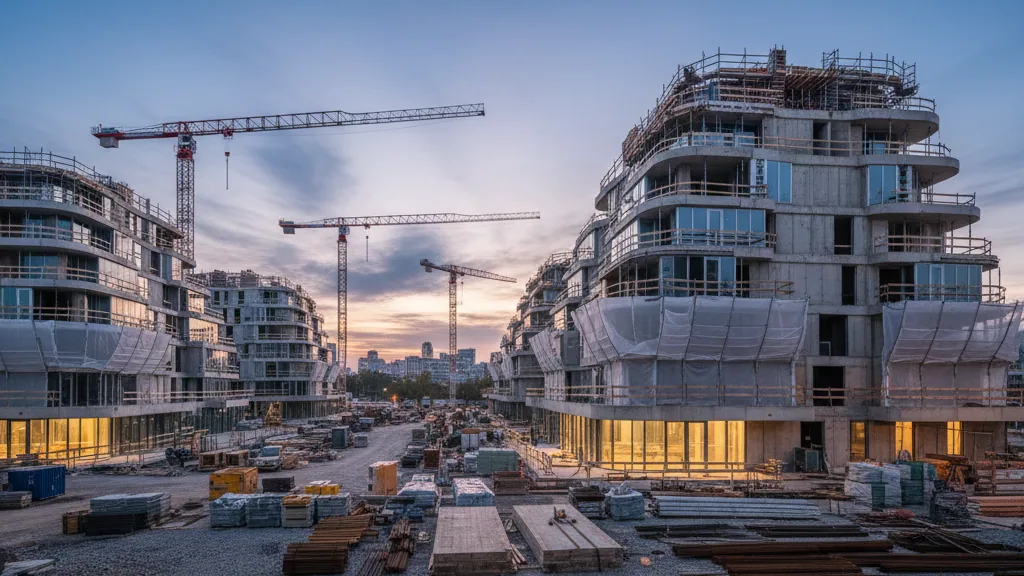
Saudi Arabia has unveiled a digital 'free zone' map, which identifies geographical areas where foreign nationals can acquire property. This represents a significant development in the liberalisation of the Kingdom's real estate market. The official platform shows approved zones for international ownership in accordance with regulations aligned with the government's "Vision 2030" programme for economic diversification.
The introduction of this map is a clear indicator of Saudi Arabia's continued reform efforts to attract foreign investment and broaden its economy. Until now, property acquisition by non-Saudis has been severely restricted, which affected market development in certain sectors. By creating clearly defined free zones, legal certainty is established for investors, which is considered necessary to bring capital into the country.
Strategic Objectives of Vision 2030
“Vision 2030” aims to reduce the Kingdom's dependence on oil revenues and instead strengthen sectors such as tourism, technology, and real estate. Opening the property market to international buyers is a central component of this strategy, as it not only generates direct investment but also promotes the development of world-class projects like NEOM and Diriyah Gate. These projects are designed to attract international residents and businesses, who could benefit from the opportunity of property acquisition.
The exact criteria for property acquisition in the designated zones, as well as the types of permitted properties, are expected to be detailed on the digital platform. It is anticipated that these measures will lead to increased transparency and efficiency in the Saudi real estate market, further strengthening the confidence of international investors and establishing Saudi Arabia as an attractive location for foreign capital investors. This step positions the Kingdom as an important player in the global real estate market and underscores its commitment to a modern, diversified economic structure.
- —Promotion of Foreign Direct Investment (FDI).
- —Creation of jobs in new economic sectors.
- —Strengthening of non-oil-based economic branches.
- —Improvement of quality of life and attractiveness for international talent.