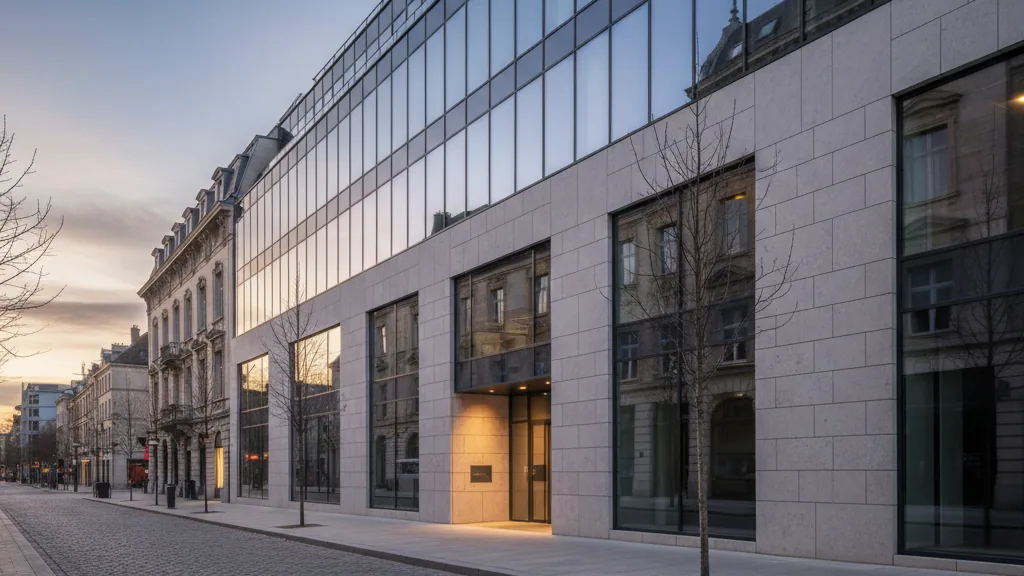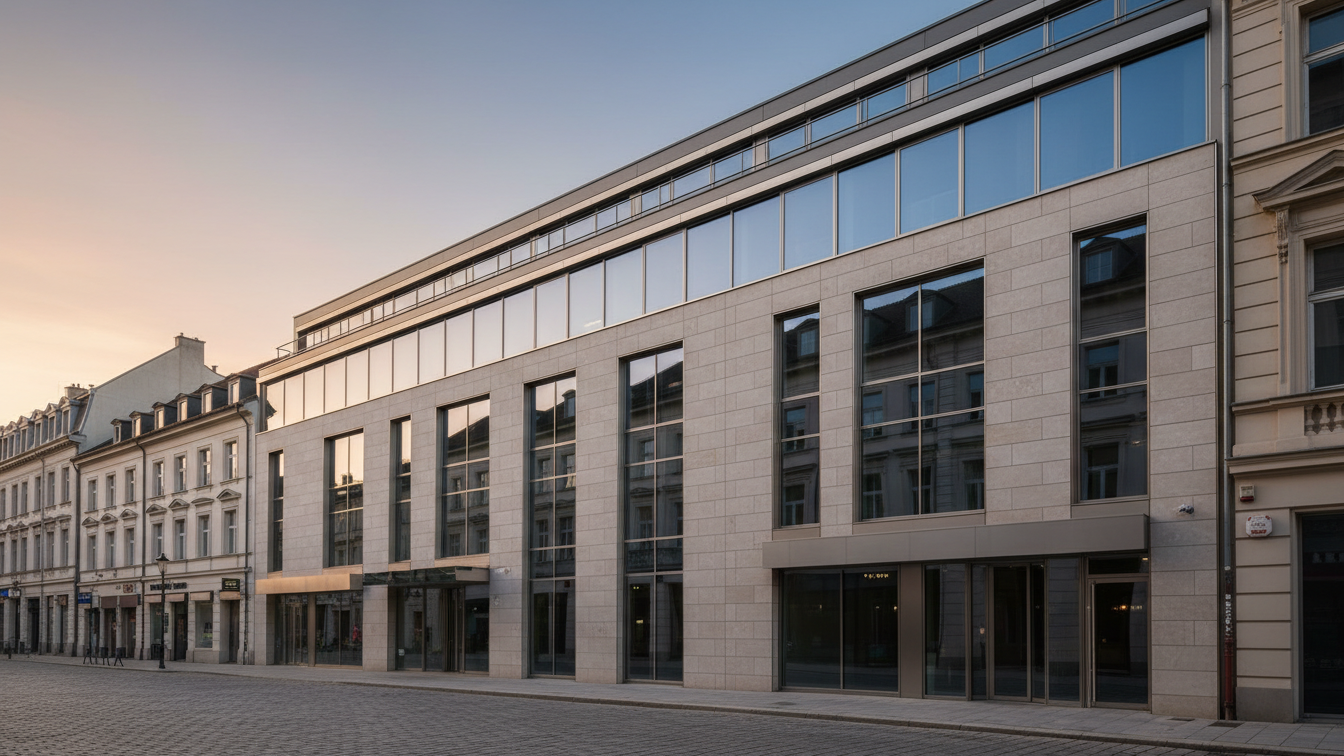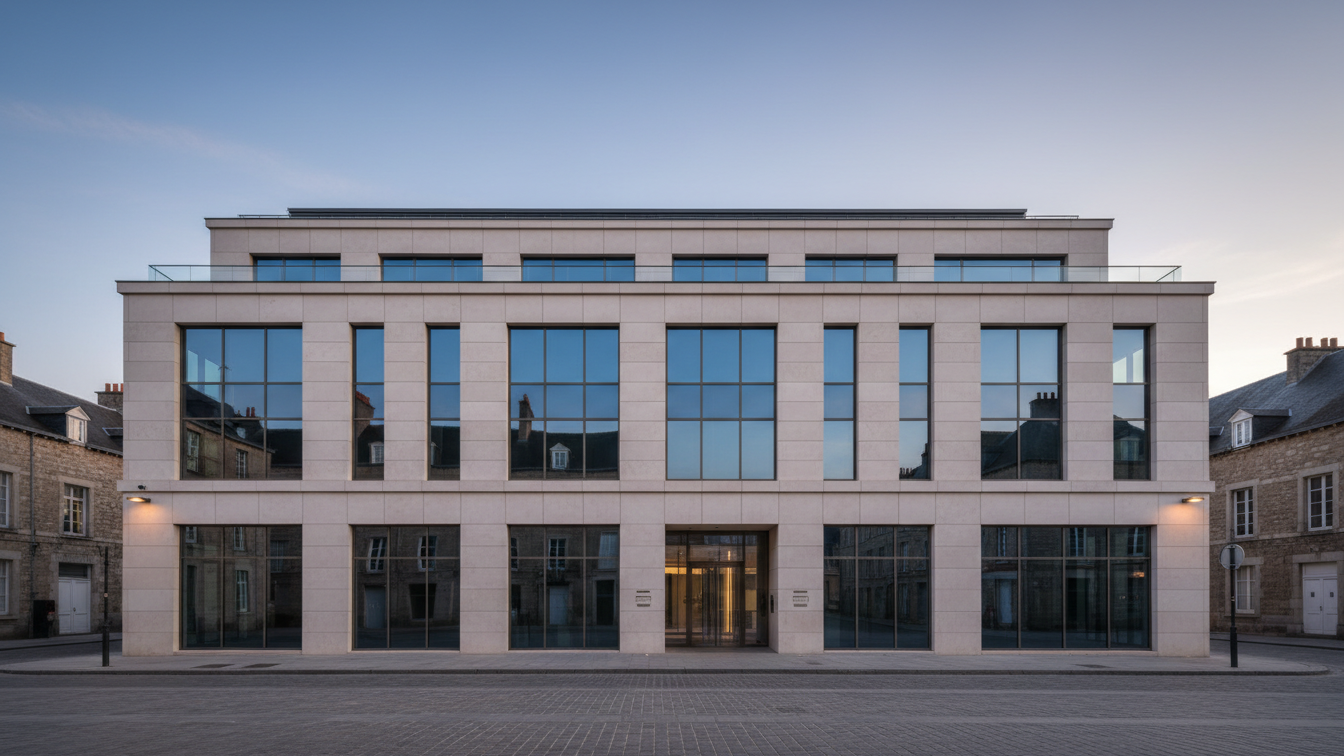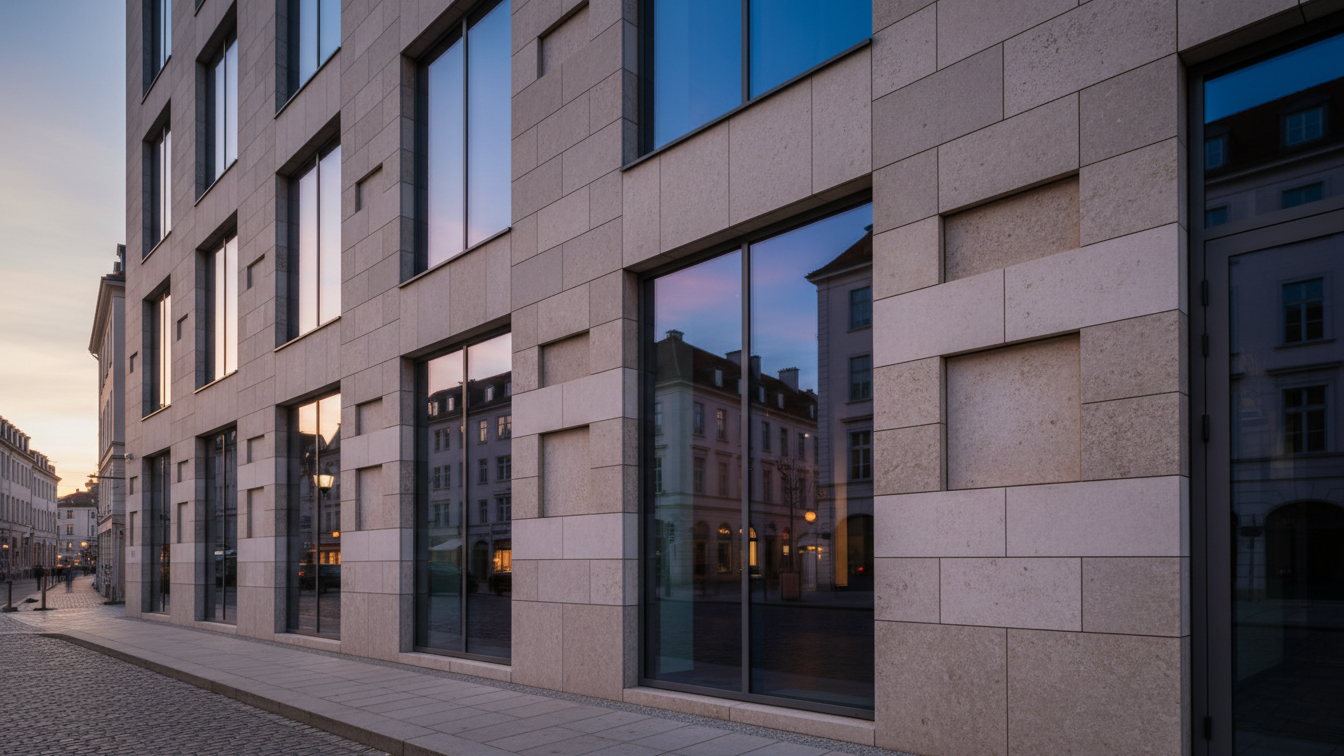
The condition of the building envelope, particularly the facade, is a crucial factor that significantly impacts the value of a commercial property. Although seemingly obvious, the precise assessment and monetary impact of facade quality are often underestimated. Real estate experts, from appraisers to lenders, systematically consider this aspect in their analyses.
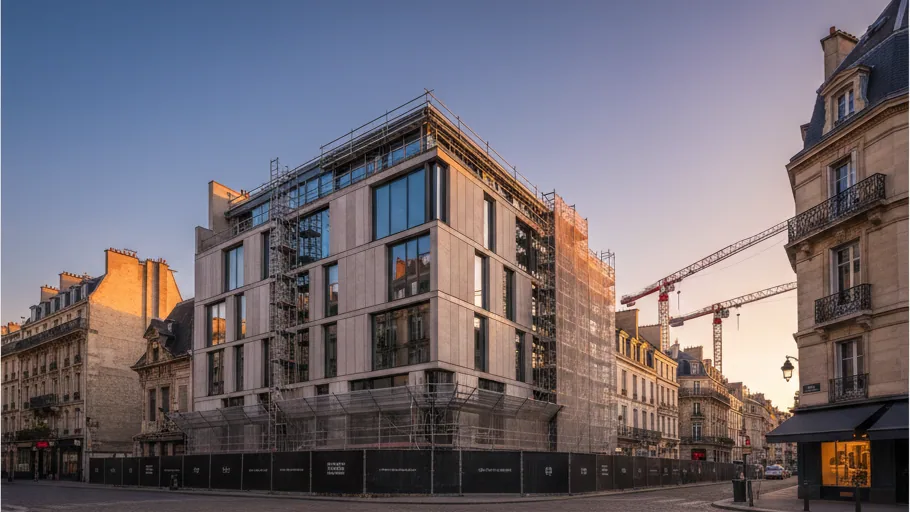
In property valuations, known as appraisals, the external condition of a building is recorded in detail. A dilapidated facade or one in need of renewal directly leads to value deductions. Likewise, Property Condition Assessments (PCAs), which represent technical condition analyses, play a central role. They identify necessary repairs or renovations to the building envelope and quantify their costs, which in turn influences the investment calculation and thus the purchase price.
Lender Reserves and Backlog of Maintenance
Banks and other lending institutions react sensitively to the condition of the building envelope. For properties with obvious or diagnosed backlogs of facade maintenance, they generally demand higher lender reserves. This means that a portion of the loan or equity must be withheld for future repairs or modernisations of the building envelope to minimise risk for the lender. Such an increase reduces the investor's available liquidity and diminishes potential returns.
The deferral of facade maintenance, a phenomenon referred to in English as 'facade deferral', directly influences the pricing of a deal. Buyers and investors will factor the impending costs for the necessary renovation into their acquisition price or demand a corresponding price reduction. The prospective expenses for a complete facade renovation can quickly reach several million Pfund or Dollar, depending on the size and complexity of the building.
Long-Term Perspective and Value Stability
A good condition of the facade not only secures the current value but also contributes to the long-term value stability and attractiveness of a property. An intact and appealing building envelope not only reduces energy consumption and operating costs but also improves marketability and tenant satisfaction. Tenants are willing to pay higher rents for premium properties that are well-maintained.
- —Direct depreciation in appraisals.
- —Increased reserve requirements from lenders.
- —Negative impact on tenant attractiveness and rental income.
- —Potentially high renovation costs that reduce the deal price.