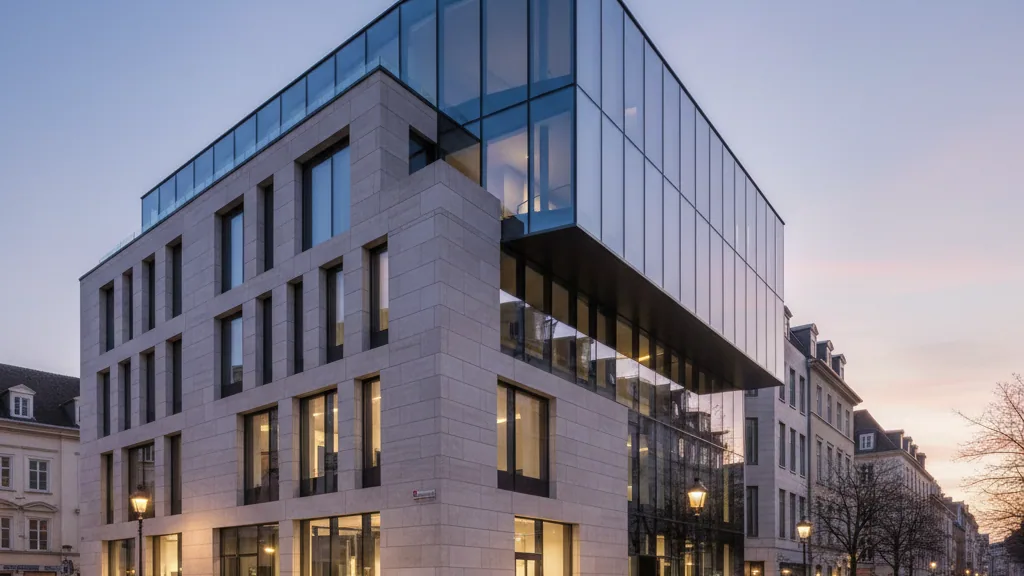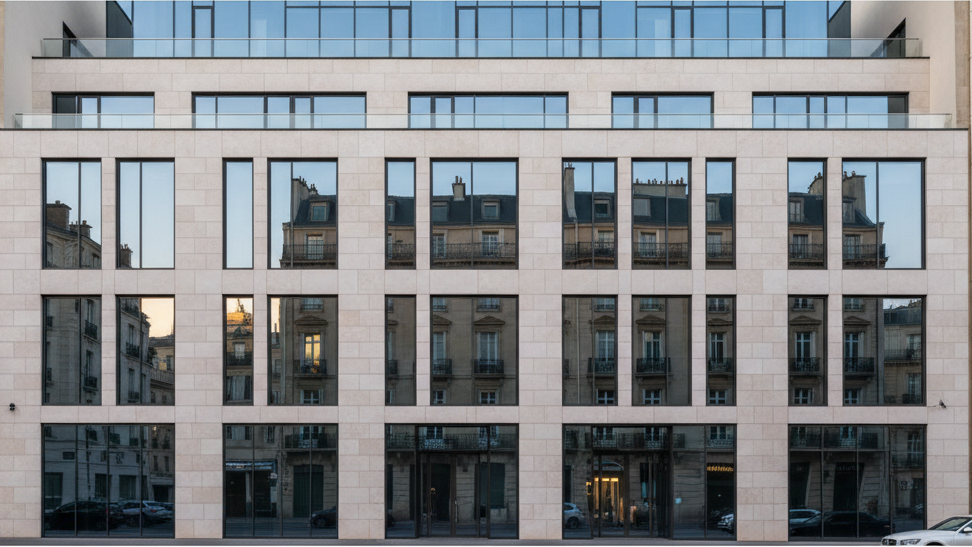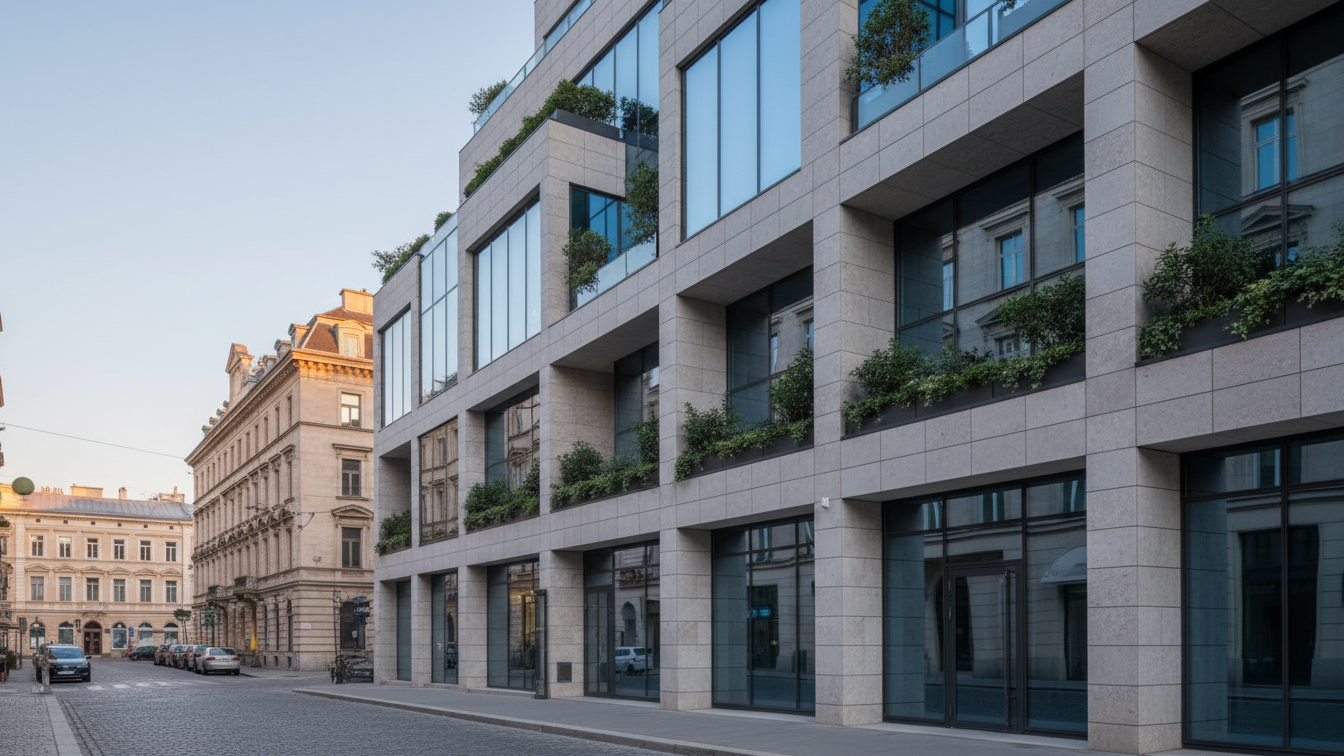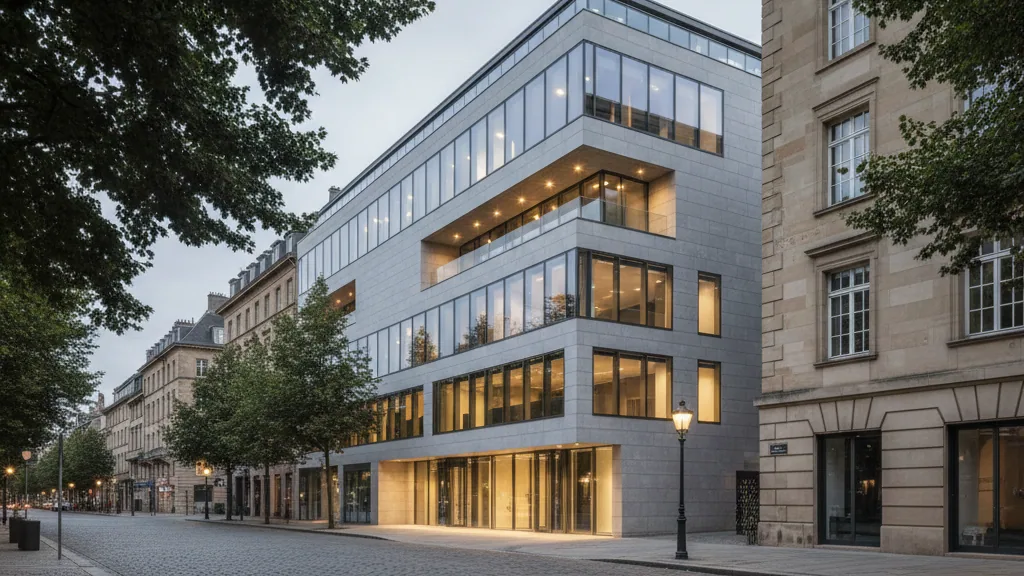
The revitalisation and repositioning of historically burdened existing buildings is among the most demanding tasks in the real estate sector. Where historic building fabric meets shifting societal expectations, purely architectural and structural engineering concepts are not enough. Every such scheme demands an in-depth examination of the identity of the site and touches upon fundamental questions of urban planning responsibility.
At the heart of the debate lies the question of decision-making authority over the future purpose of such sites. Whilst capital providers and developers bear the commercial risk and must deliver functional schemes of use, heritage protection authorities, civil society and the public sector articulate legitimate demands for the preservation and interpretation of historic heritage.
Balance between commercial viability and historic context
For investors, sensitive projects offer both specific opportunities and narrow boundaries. A conscientious approach to built heritage can endow a property with a distinctive identity and long-term value stability. At the same time, conservation stipulations and public reservations noticeably constrain the scope for space utilisation and marketing.
- —Early involvement of public and heritage conservation bodies in planning
- —Formulation of schemes of use with reference to the historical context of the site
- —Adherence to clearly defined limits regarding structural interventions in fabric worthy of preservation
- —Transparent communication of urban planning and economic objectives
Limits of investor discretion
The boundary of investor freedom lies where purely commercial exploitation interests collide with historical memorial value. In the transformation of sensitive properties, the assumption that private ownership confers unrestricted disposition over space ceases to apply. What is required instead is a continuous coordination process among all participating interest groups.
Long-term success depends on the concerted interplay of architectural sensitivity, institutional dialogue and financial soundness. Developers face the task of creating new functional qualities without concealing the building's history or treating it as a merely decorative element.