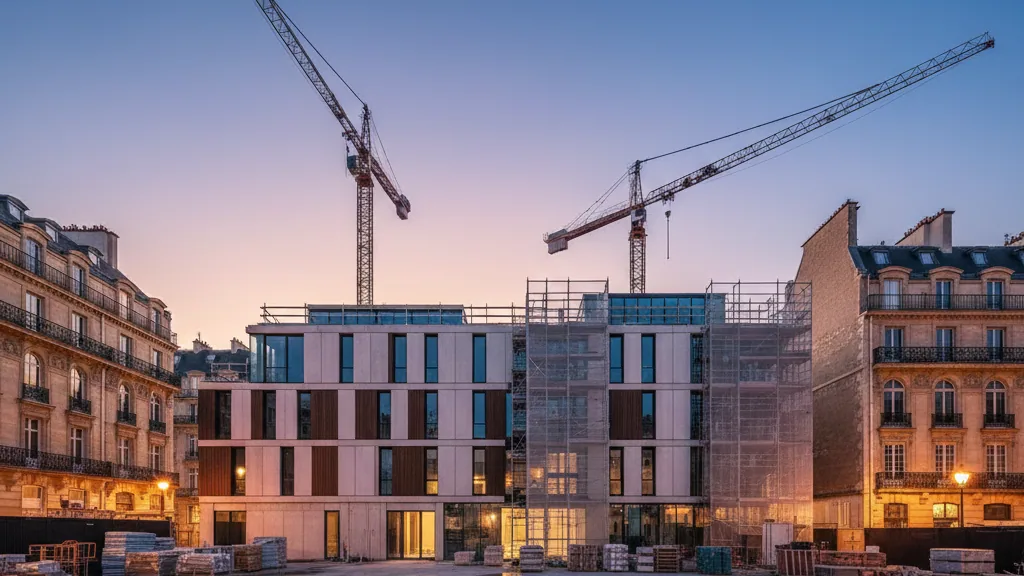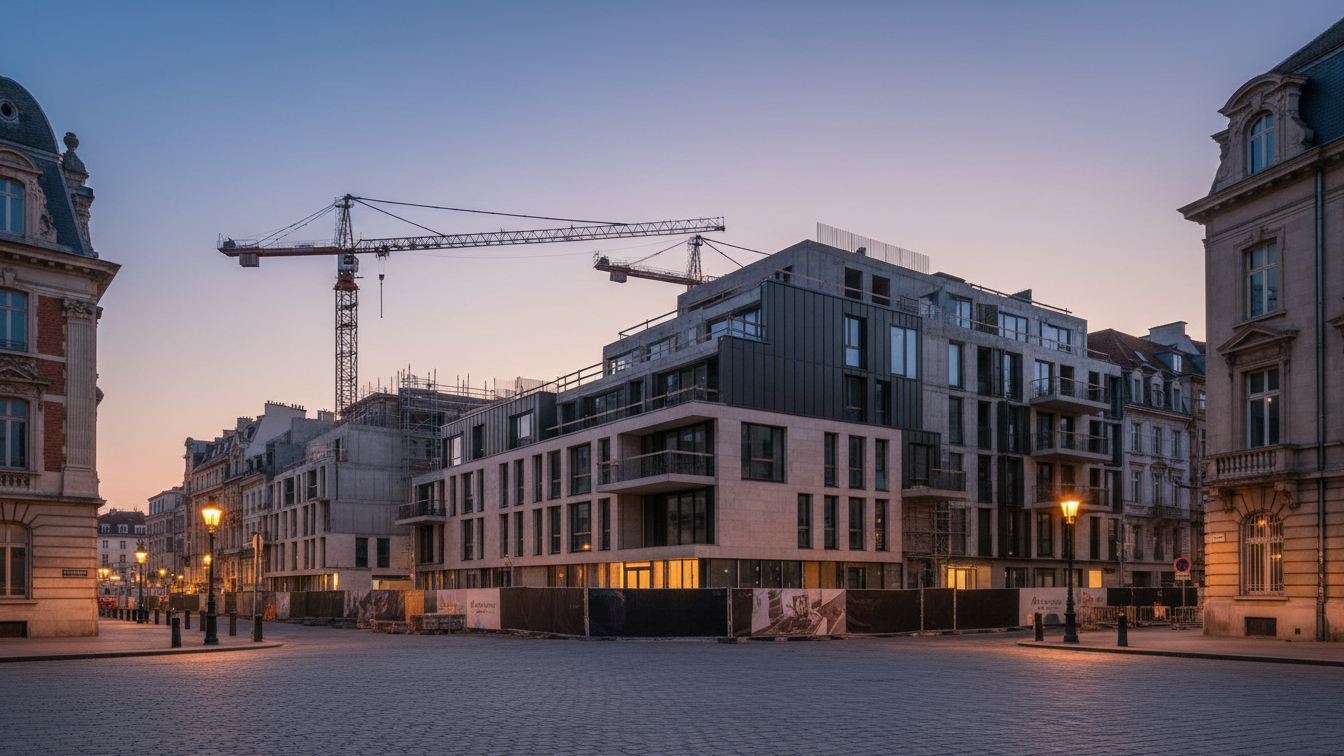
One specific residential street in Mansfield has seen a significant change in its property structure: 15 out of a total of 42 residential units have been converted into so-called Houses in Multiple Occupation (HMOs). This accounts for 36 per cent of properties on that street. The conversions are primarily due to landlords' efforts to achieve higher rental yields.
The background to this development is an increased interest in letting individual rooms or residential units to multiple unrelated individuals, which often promises more lucrative income than letting to single families or couples. This strategy is increasingly pursued in certain market segments, particularly where there is high demand for affordable housing or flexible living solutions.
Residents' concerns and infrastructural challenges
The ongoing conversions have led to significant concerns among local residents. Key criticisms relate to the parking situation and the capacity of local infrastructure. A higher resident density per property can lead to an increased demand for parking space, which is often insufficient in existing residential areas. This manifests itself in overcrowded streets and a lack of available parking spaces.
Furthermore, the increased number of HMOs places a strain on the existing infrastructure. This includes waste collection, water and sewage supply, and public services. Residents fear that the existing infrastructure is not equipped to handle the additional demands associated with a higher population density, which could impair the quality of life. An adjustment of urban planning and regulation may be necessary to adequately address these challenges and strike a balance between investment incentives and residents' interests.
- —Increased residential density per property.
- —Potentially higher returns for property owners.
- —Pressure on existing parking facilities and transport systems.
- —Additional strain on communal utility networks.