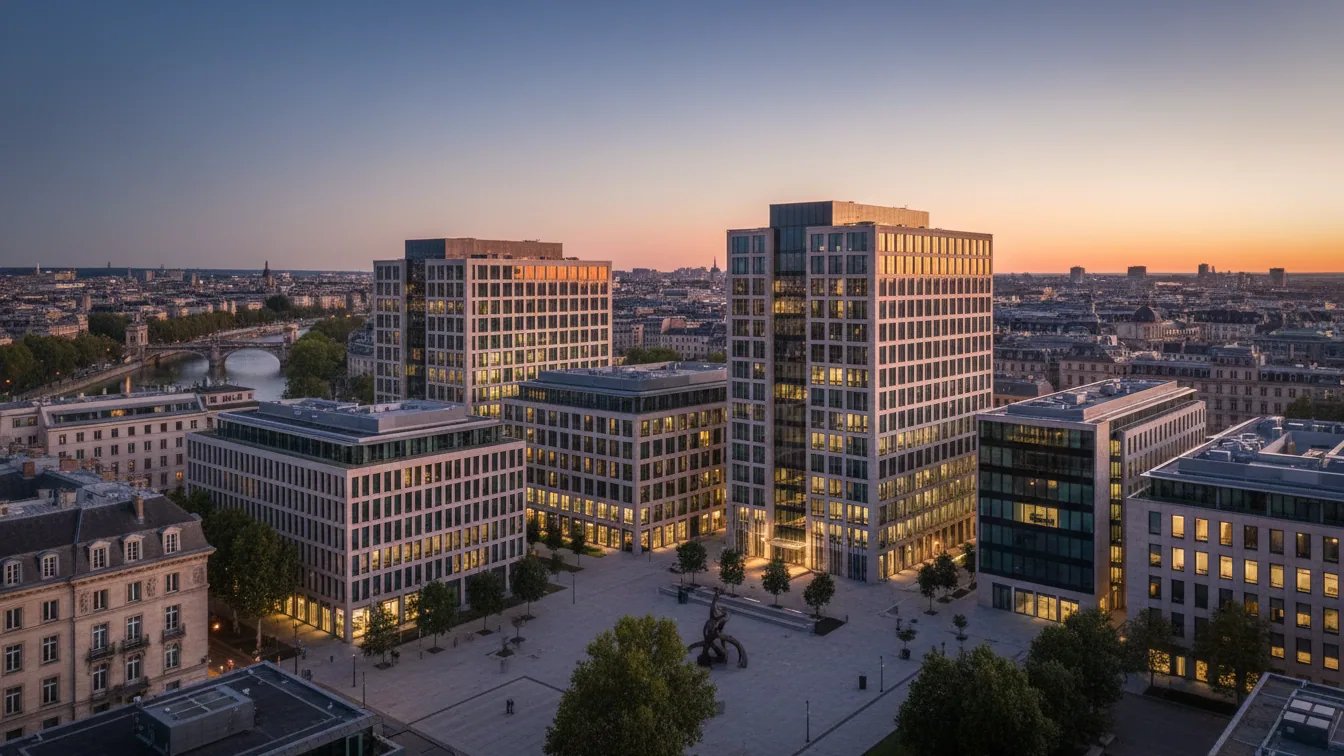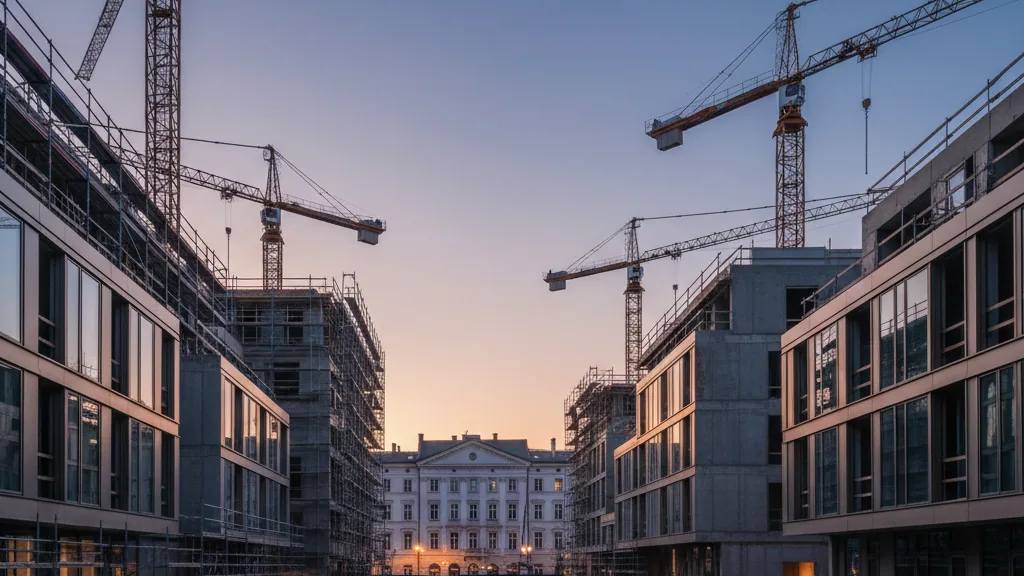
Berlin TXL Management GmbH is taking stock of the development of the former Tegel Airport site. The area is gradually transforming into an innovation, business and residential location. Following a phase of planning, approval and development, a new development phase is now beginning, which includes the start of housing construction, the growth of the Urban Tech Republic, the marketing of the first plots of land, as well as the conversion of former terminal buildings and the utilisation of existing ancillary buildings.
Christian Gaebler, Senator for Urban Development, Building and Housing, highlighted that Berlin TXL is not an ordinary urban development project, but a promise of future for the city of Berlin. The project envisages the creation of new, affordable homes, jobs and urban lifestyles. The Senator emphasised that the crucial foundations have been laid and that the visible phase of development in various areas is now beginning.
Frank Wolters, Managing Director of Berlin TXL Management GmbH, confirmed the complexity of the project and the creation of a solid foundation in technical, planning and organisational terms. According to Wolters, construction preparation in the Schumacher Quarter is almost complete, meaning housing construction can begin. The Urban Tech Republic is not a vision of the future, but an already established reality, characterised by largely rented existing buildings and the start of land marketing. Wolters observes a high level of interest in the site from companies, scientific institutions and innovation partners.
Urban Tech Republic: Innovation and Economic Growth
The Urban Tech Republic, covering over 200 hectares, has transformed into a workplace and experimental space in the five years since its takeover. Over 40 companies and institutions are located there, operating in areas such as mobility, energy, materials, sensor technology and digital infrastructure. Currently, over 34,000 square metres of office, workshop and community spaces are being used, and an experimental area of over 600,000 square metres is being provided. An expansion of usable space through temporary facilities is planned.
Land marketing has also begun. A first plot of just under 7,000 square metres was publicly offered at the end of 2025; a contract signing is aimed for this year. A second plot of almost 4,500 square metres will follow in autumn 2026. From 2027, significant momentum in marketing is expected, with around 95,000 square metres of commercial space, followed by an additional 114,300 square metres of commercial space and approximately 9,500 square metres of special use areas in 2028. By the completion of the fourth construction phase, the Urban Tech Republic is designed for up to 1,000 companies and 20,000 jobs. The plots are allocated under a building lease, ensuring that the State of Berlin remains the permanent owner and retains influence over the development and quality of the site.
Transformation of Existing Buildings
The transformation of Berlin TXL includes the monument-compliant conversion and refurbishment of historic building sections such as terminals, hangars, workshops and the energy centre. This process is technically demanding, approval- and cost-intensive, but contributes to the preservation of the site and conserves resources through the continued use of existing building fabric.
- —The conversion of Terminal A into Campus TXL is progressing. Preparatory work has been completed, and the groundbreaking ceremony for the construction work will take place at the end of July.
- —For Terminal B, the building application for a future start-up and innovation centre has been submitted. The second demolition phase began in spring; the conversion will start from 2028, with the planned commissioning of the centre, an event centre and makerspaces in 2031.
- —Terminal D is being redesigned as a technology centre for mobility and artificial intelligence.