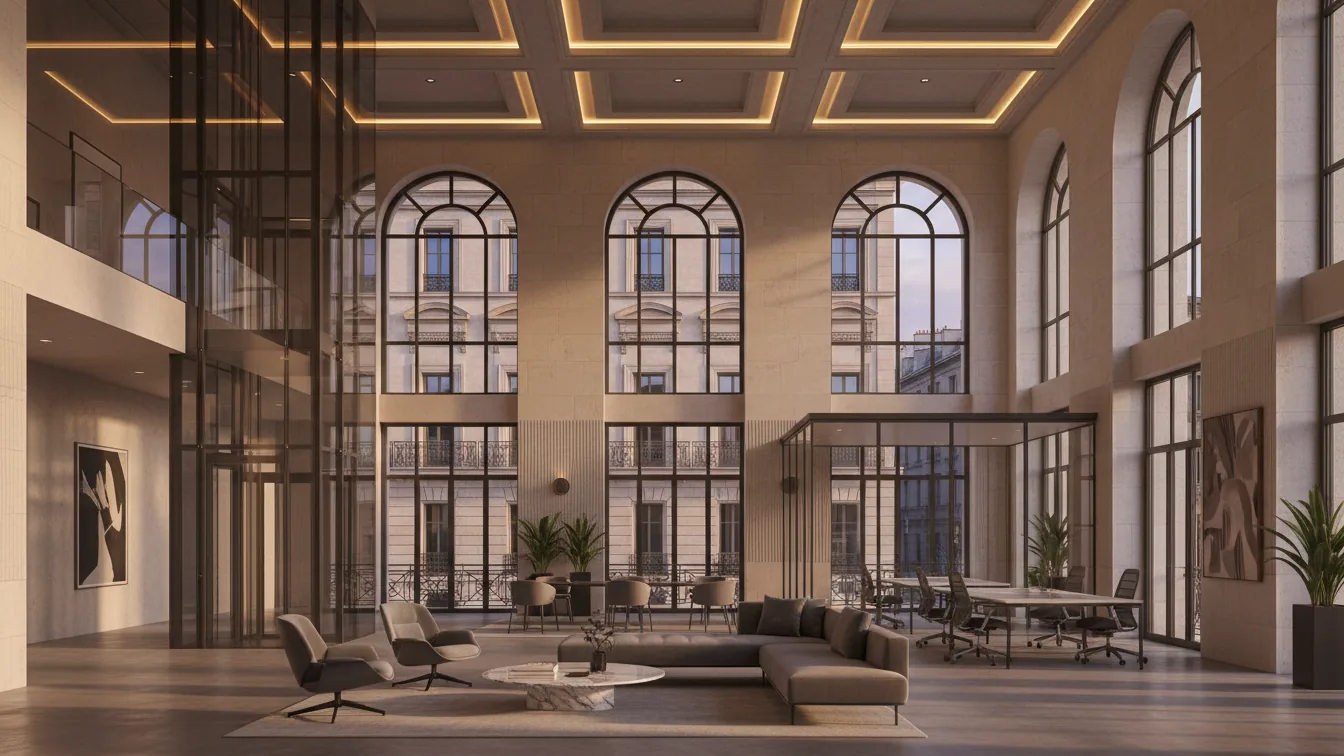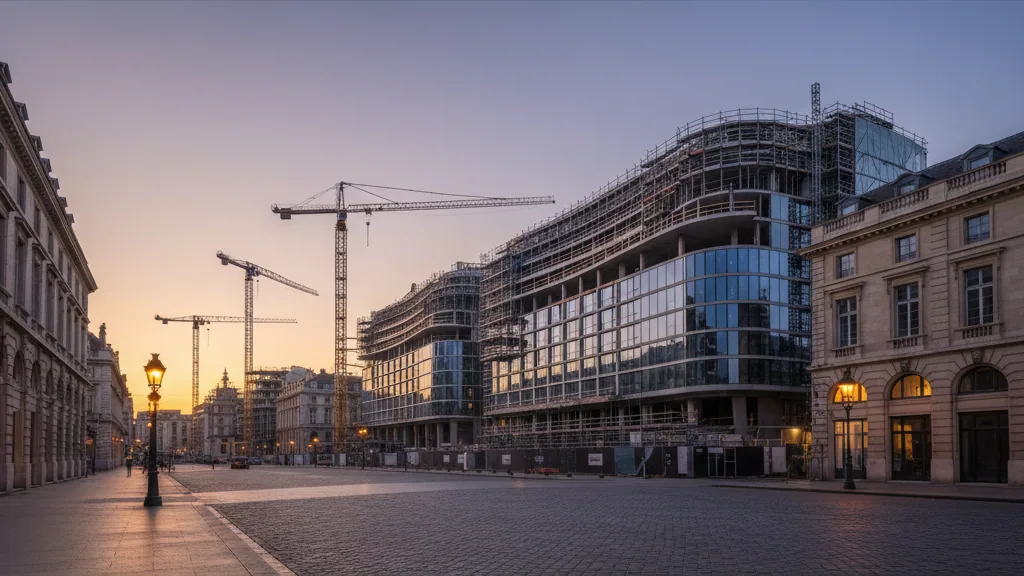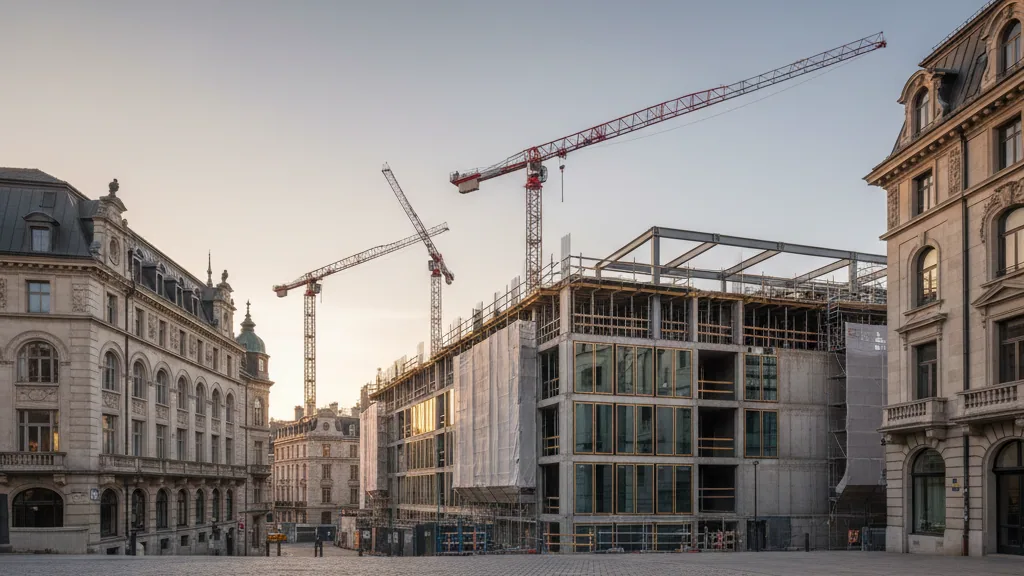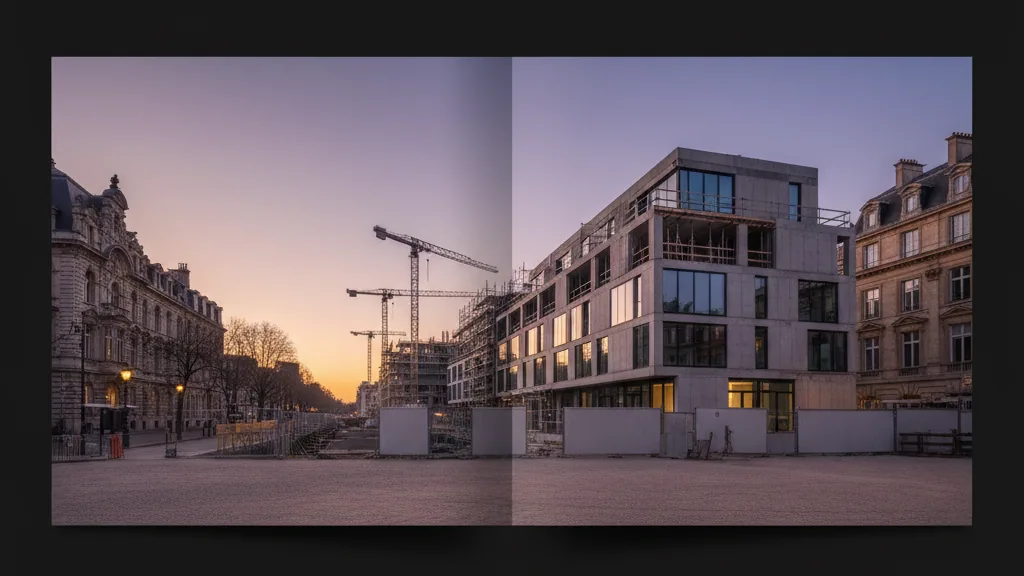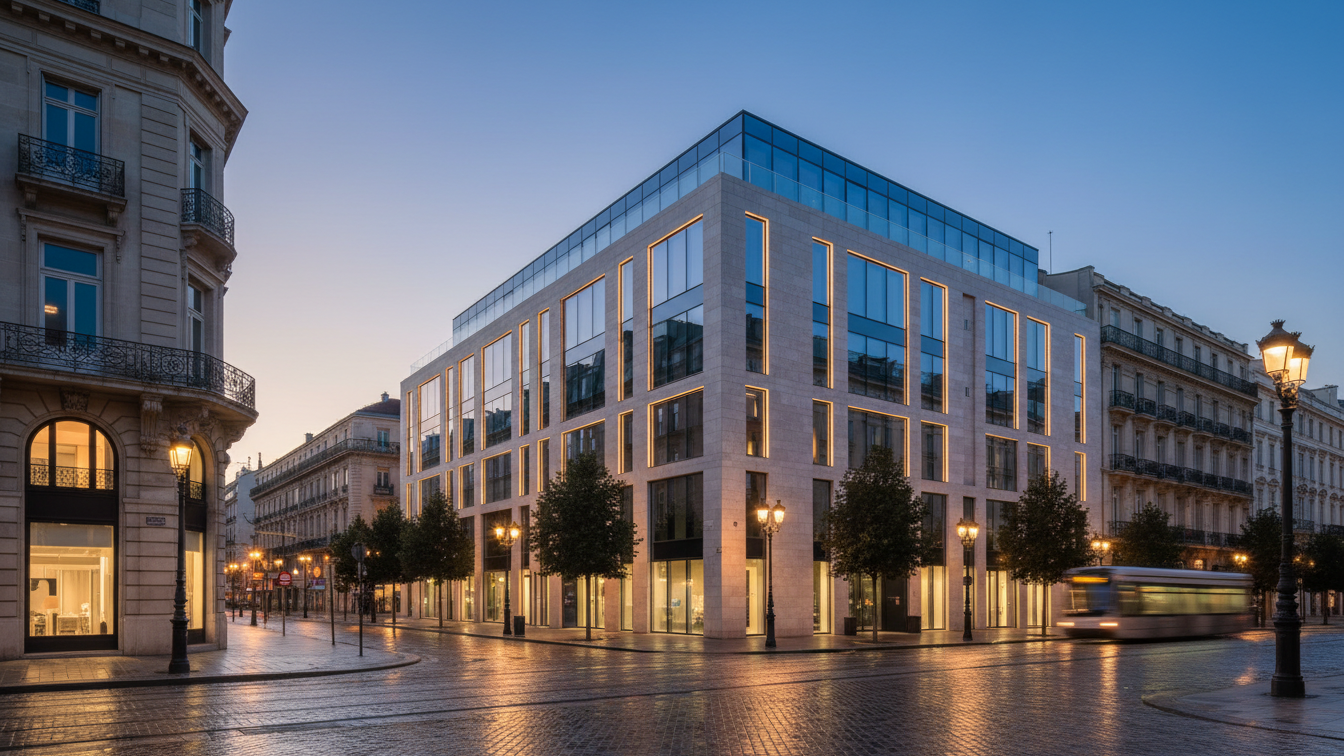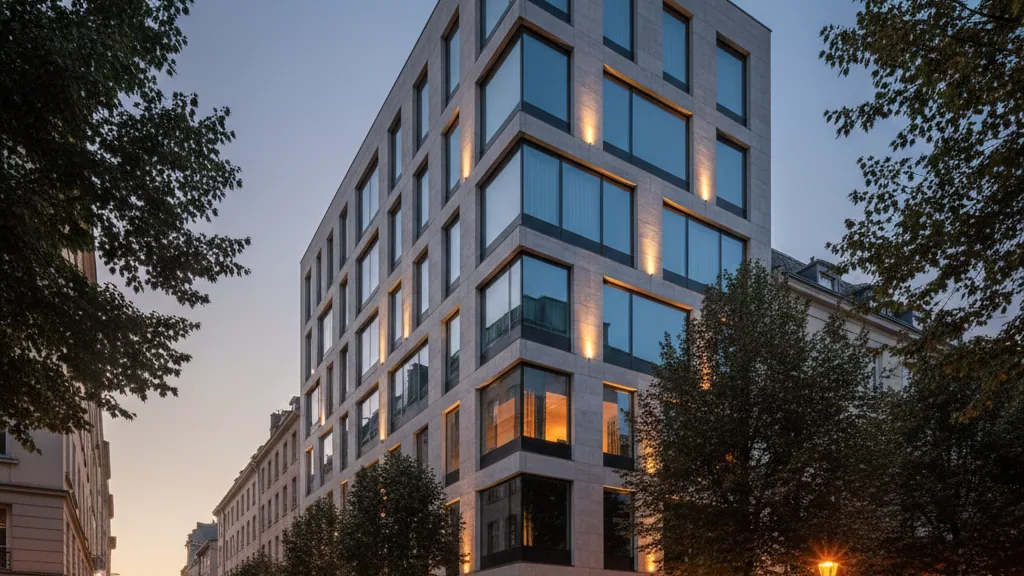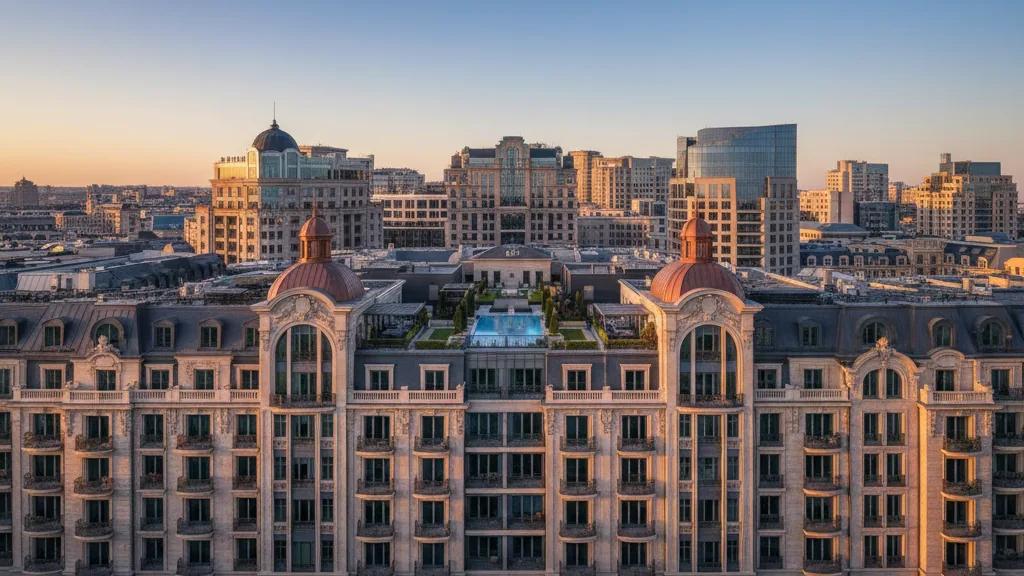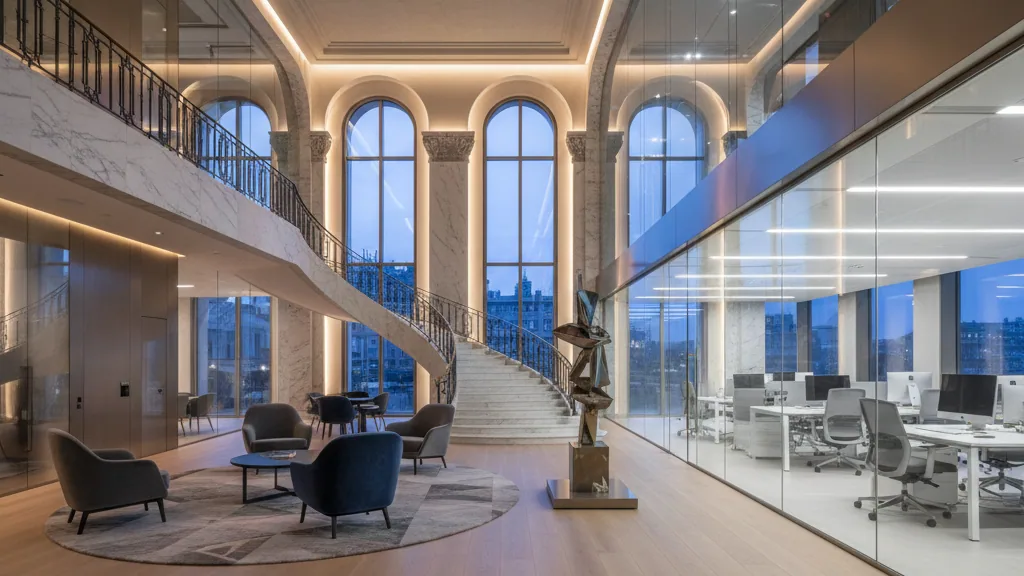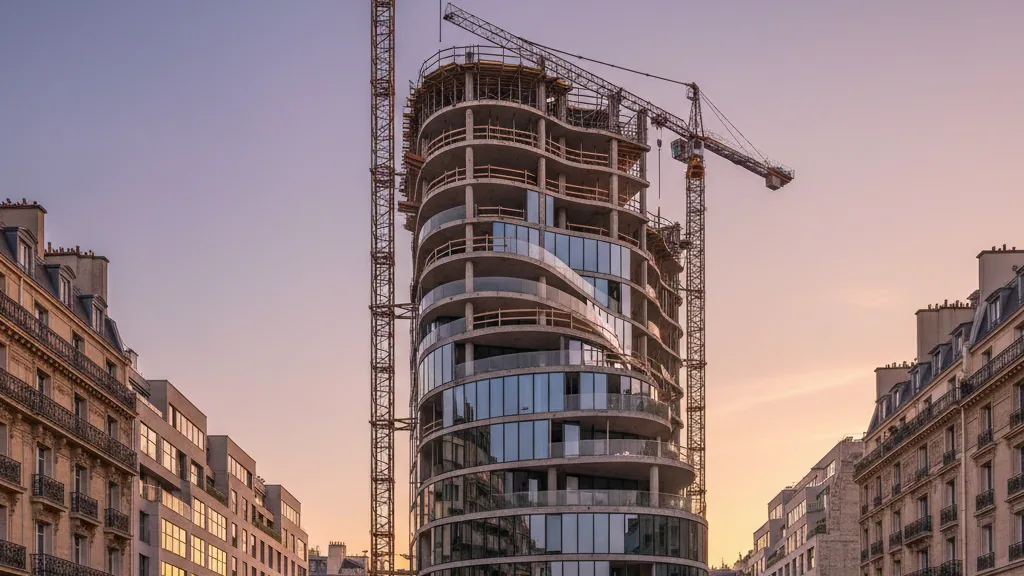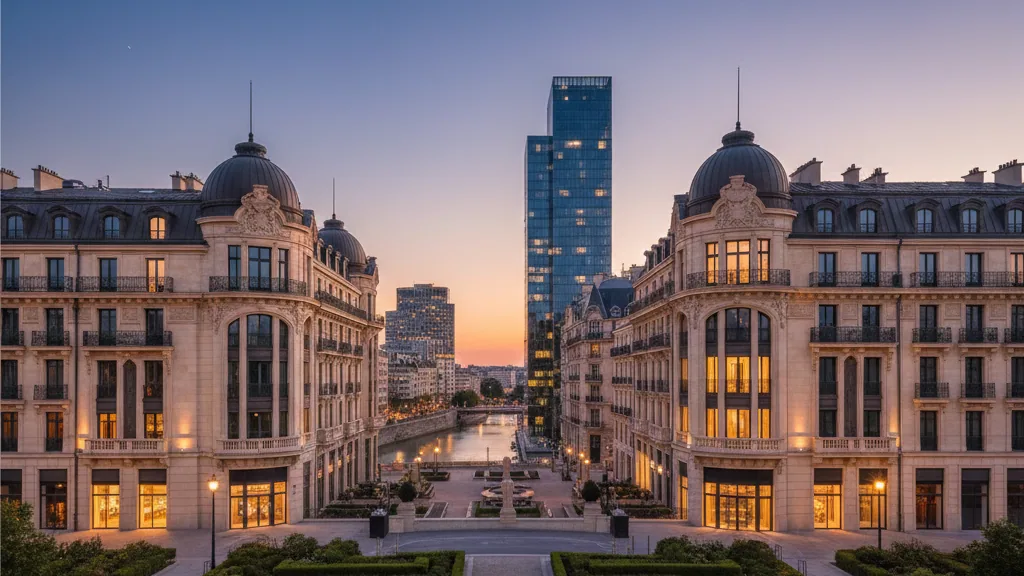
The Federal Institute for Real Estate Tasks (BImA) has commenced the development of Patrick-Henry-Village (PHV) in Heidelberg. This undertaking envisages the transformation of the area into the city's 16th district. BImA is responsible for federal properties and, in this project, acts as the accountable body for the conversion and creation of a new urban space. The development of PHV represents a significant urban transformation project for the city of Heidelberg.
Patrick-Henry-Village previously served as a residential settlement for US forces in Germany. With the withdrawal of troops, the necessity arose for civilian repurposing of the site. BImA is undertaking the task of dedicating this area to sustainable and forward-looking urban development. The conversion of such formerly militarily used areas is a complex process that requires precise planning and coordination to meet the demands of contemporary living and working.
Strategic importance of the development
The emergence of a 16th district in Heidelberg on the former PHV site holds high strategic importance for regional development. This project integrates aspects of urban planning, infrastructure development, and social and ecological sustainability. It aims to expand the structure of Heidelberg and create new residential and living spaces that meet current urban requirements. The transformation underscores the need to utilise existing land resources efficiently and to assign new purposes to derelict areas.
BImA's task is to manage the planning and implementation of this conversion. This involves coordinating various stakeholders and considering urban development guidelines. The development of PHV into a complete district will thus become a reference project for the conversion of military sites in Germany. The creation of new infrastructure, the integration of green spaces, and the consideration of mobility concepts are central components of the planning.
Outlook on future use
The future 16th district is intended for diverse use. In its development, the Federal Institute for Real Estate Tasks places emphasis on a balanced mix of residential, work, and leisure facilities. The aim is to create a vibrant neighbourhood that harmoniously integrates into Heidelberg's existing urban fabric while also developing its own identity. The development is a long-term undertaking that will be implemented successively, always taking into account current urban development and societal requirements.