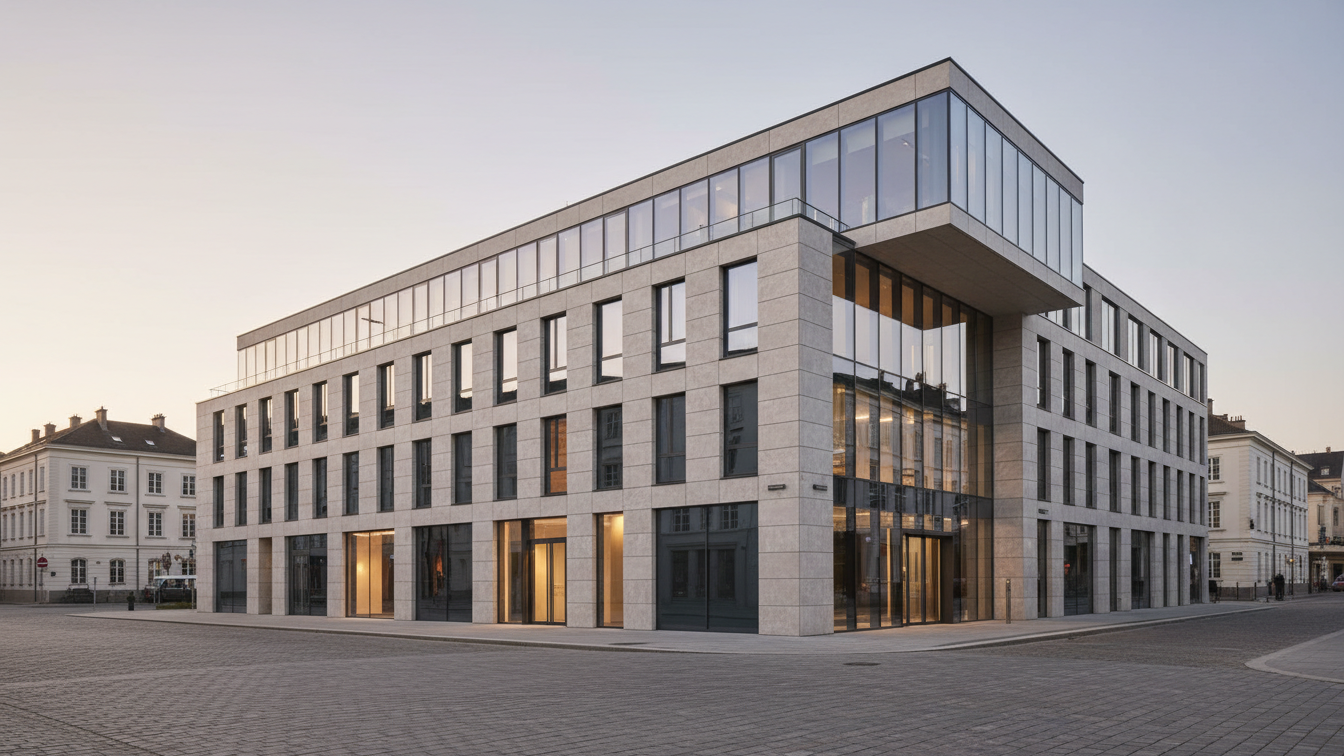
Demand from existing homeowners for new build properties increased significantly in the first half of 2026. Compared to the immediately preceding six months, there has been a 23 percent rise in enquiries. This indicates growing interest in modern living solutions and potentially a revitalisation of the new development market.
Regional differences largely shaped this growth. The North East of the country saw the most significant increase in enquiries, with a 43 percent rise. This could be attributed to attractive value-for-money propositions, specific development projects, or an improved regional economic situation that favours moving into a new property.
Regional Developments in Detail
While most regions showed a positive picture, London stood out as the only region that experienced a decline in demand. This development in the capital could have various causes, including ongoing discussions about housing affordability, a possible saturation of the new build sector in certain areas, or a shift in preferences away from urban centres towards more rural areas or smaller towns.
The figures also reflect a general willingness among homeowners to sell their existing properties to invest in a new build. This is an important indicator of the liquidity of the secondary market and the attractiveness of new build projects, which are often promoted with benefits such as energy efficiency, modern amenities, and lower maintenance costs. The increased demand in the new build segment could thus also provide impetus for the entire property market.
Outlook and Market Implications
The development in the first half of 2026 underscores the relevance of regions outside London for the new build sector. Developers and investors will closely monitor these trends to adapt their strategies accordingly. It remains to be seen whether this dynamic will continue and what long-term effects it will have on price development and supply in the new build segment.
- —23 percent increase in enquiries from homeowners for new builds in the first half of 2026.
- —The North East recorded the highest increase of 43 percent.
- —London was the only region with a decline in demand.