The economic barometer of the German Institute for Economic Research (DIW Berlin) recorded a noticeable recovery in October. With a gain of a good five and a half points, the index rose from 95.9 points in the previous month to 101.5 points. This puts the early indicator back above the neutral threshold of 100 points for the first time since February, signalling average growth in German economic output.
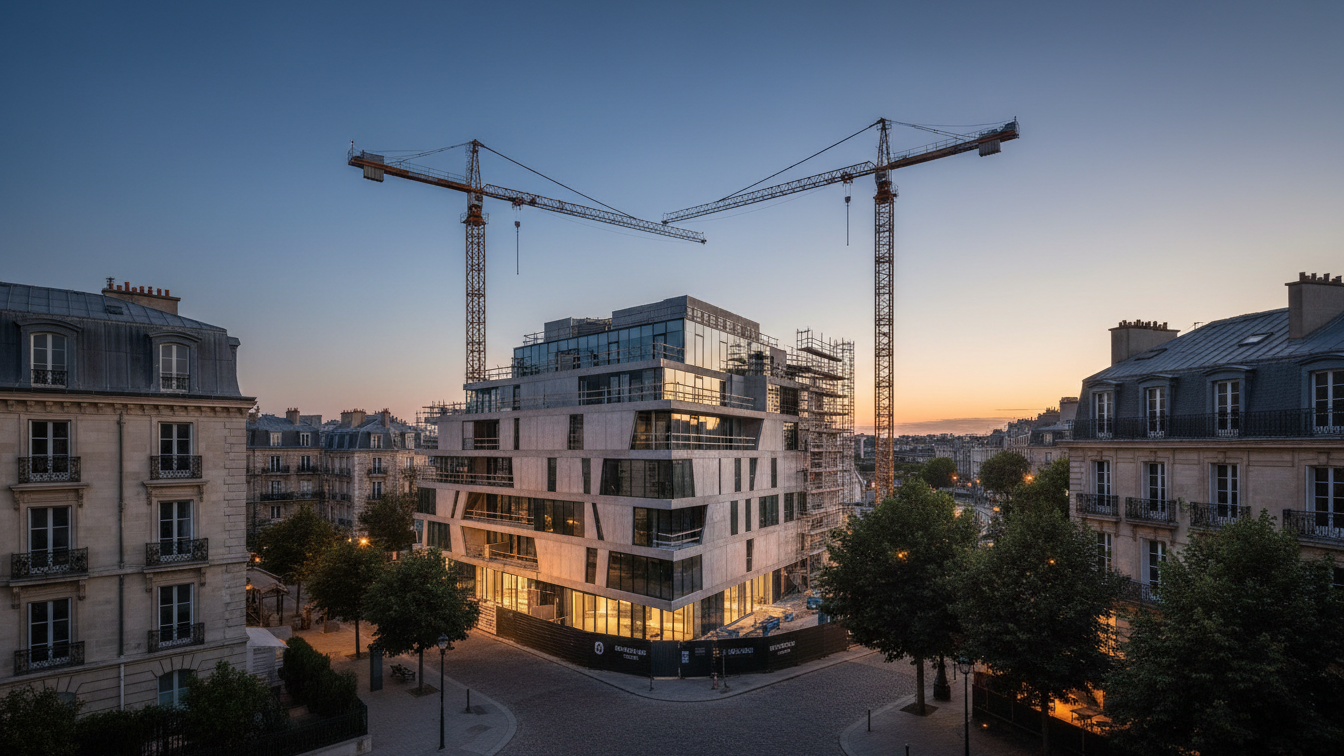
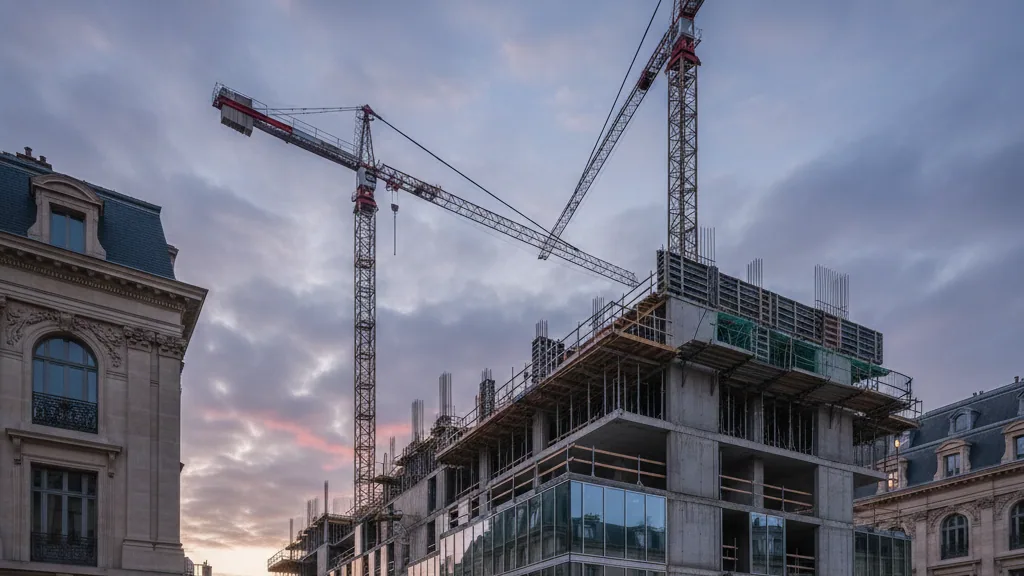
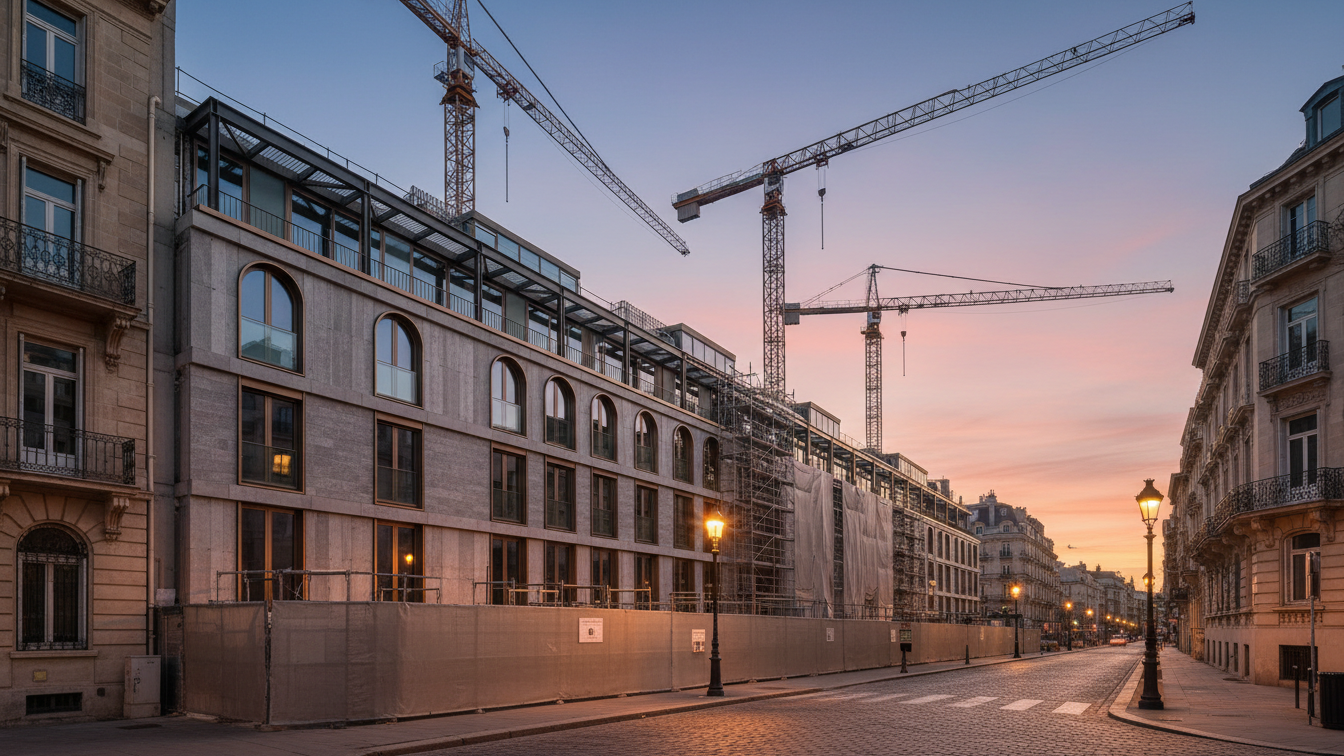
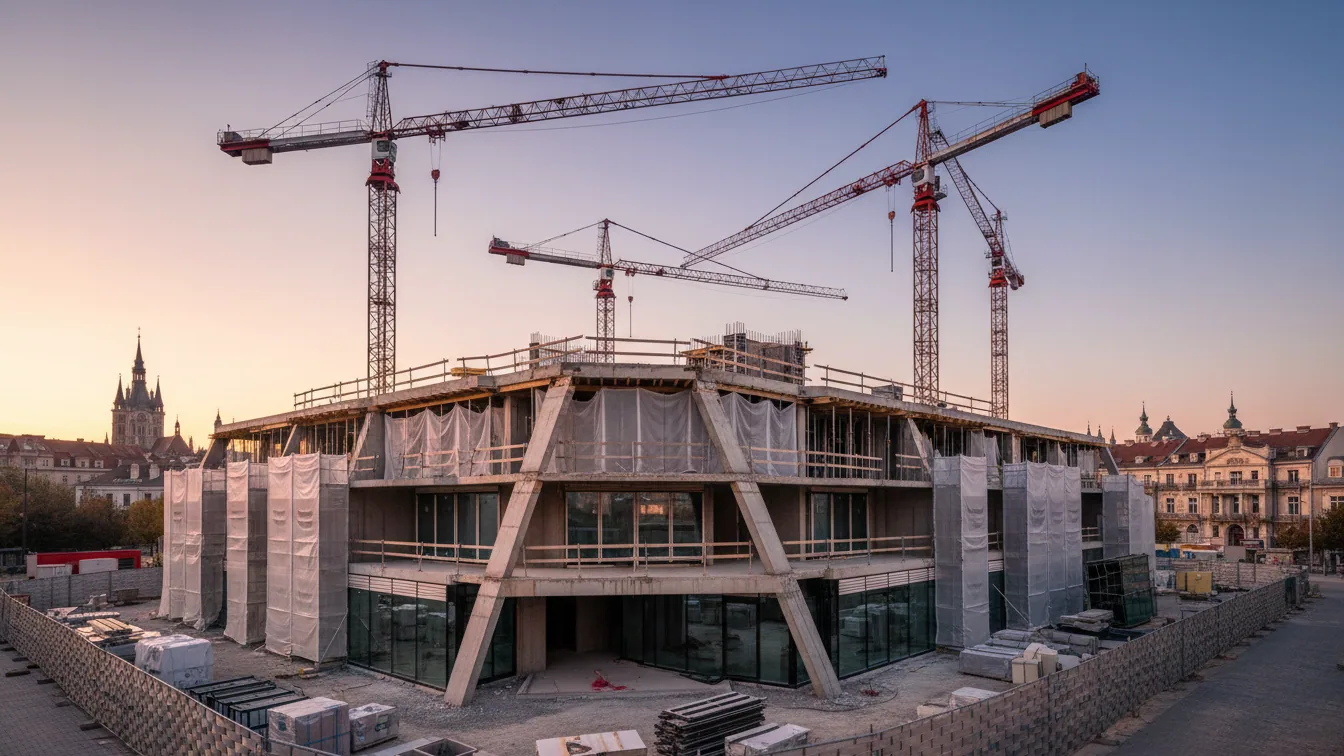
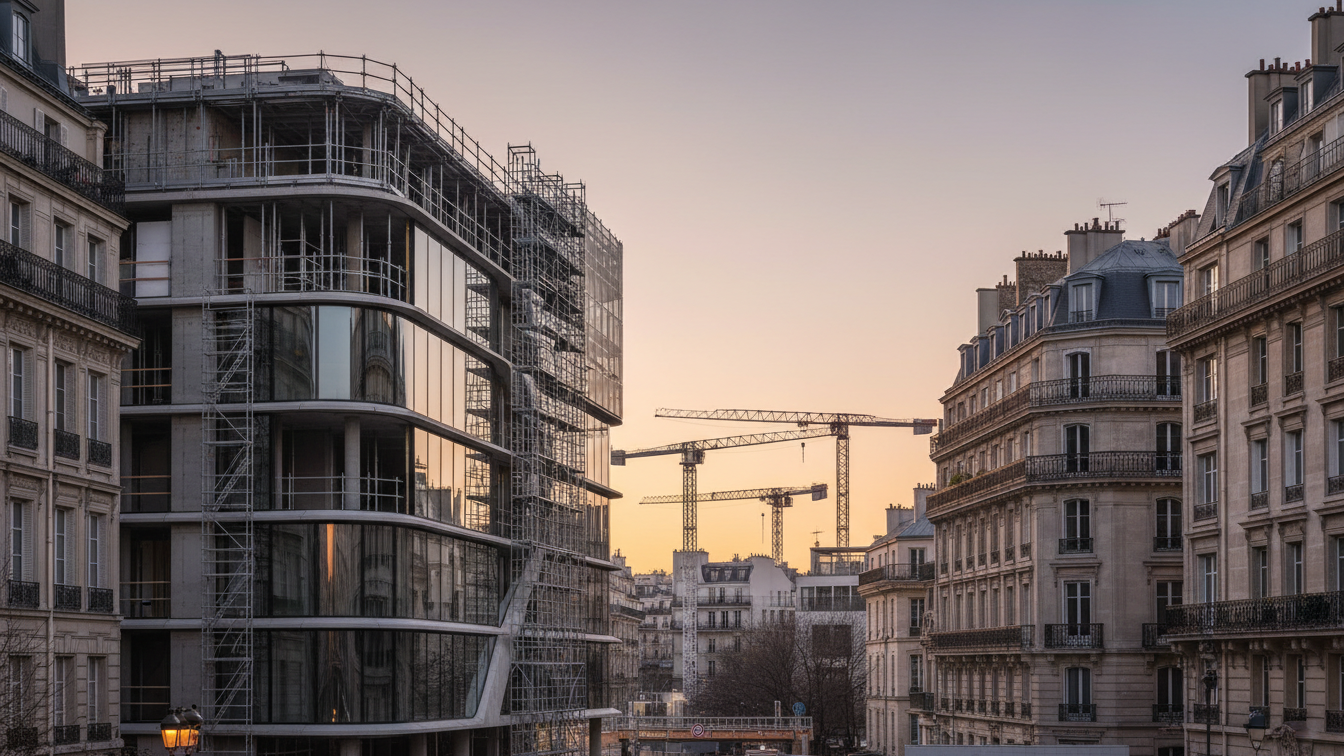
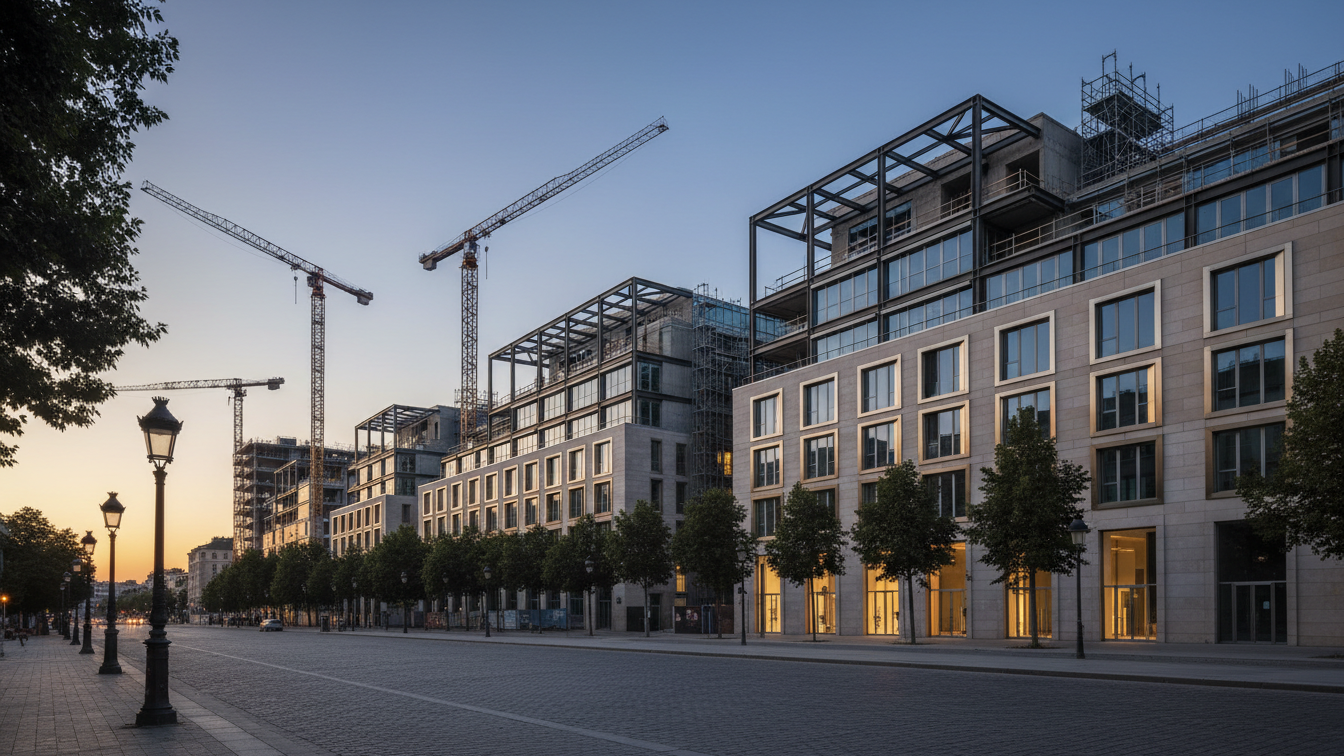
Following a subdued third quarter, the barometer points to a revival towards the end of the year. The primary driver of this development is the manufacturing sector. In August, output increased sharply, which was primarily attributable to a marked pick-up in construction output. In parallel, incoming orders in the main construction trade reached a new record high as a result of extensive public infrastructure projects. Production also regained its footing in mechanical engineering, whereas the automotive sector had to absorb declines, partly due to the factory holiday shutdown period.
Restrictive interest rate policy and geopolitical risks weigh on developers
Despite these catch-up effects, the macroeconomic environment remains challenging. In September, the European Central Bank responded to persistently high inflation with a further interest rate rise. This move noticeably impairs financing conditions for businesses as well as private and institutional developers. The rate of inflation climbed back above the three per cent mark in September, driven substantially by fossil fuels: the oil price remains above 100 dollars, whilst gas prices have reached their highest level since 2022 ahead of the heating season.
- —Historic record in order intake in the main construction trade due to major projects
- —Key interest rate increase by the European Central Bank tightens financing conditions
- —Rise in the inflation rate to over three per cent driven by high energy prices
- —Declining employment as the number of unemployed individuals approaches three million
As Geraldine Dany-Knedlik, head of economic forecasting at DIW, explains, the restraint exercised by private households and businesses has so far prevented a broad-based economic recovery. As long as the geopolitical situation in the Strait of Hormuz remains tense and energy prices stay elevated, any upturn remains subject to caution. Deceleration is also visible in the labour market: the number of people in employment is falling, whilst unemployment is approaching the mark of three million people. This dampens consumer sentiment and places a perceptible strain on consumer-facing service providers.
Growth momentum relies primarily on public sector orders
According to the assessment of DIW expert Laura Pagenhardt, industrial demand is currently fuelled predominantly by public sector defence and infrastructure procurement. In this context, DIW economist Jan-Christopher Scherer stresses that the projected upturn in the final quarter has so far been standing on one leg. For a sustainable turnaround in the real estate sector and the wider economy, a revival in private investment under reliable economic policy conditions is essential, alongside relief in energy costs.