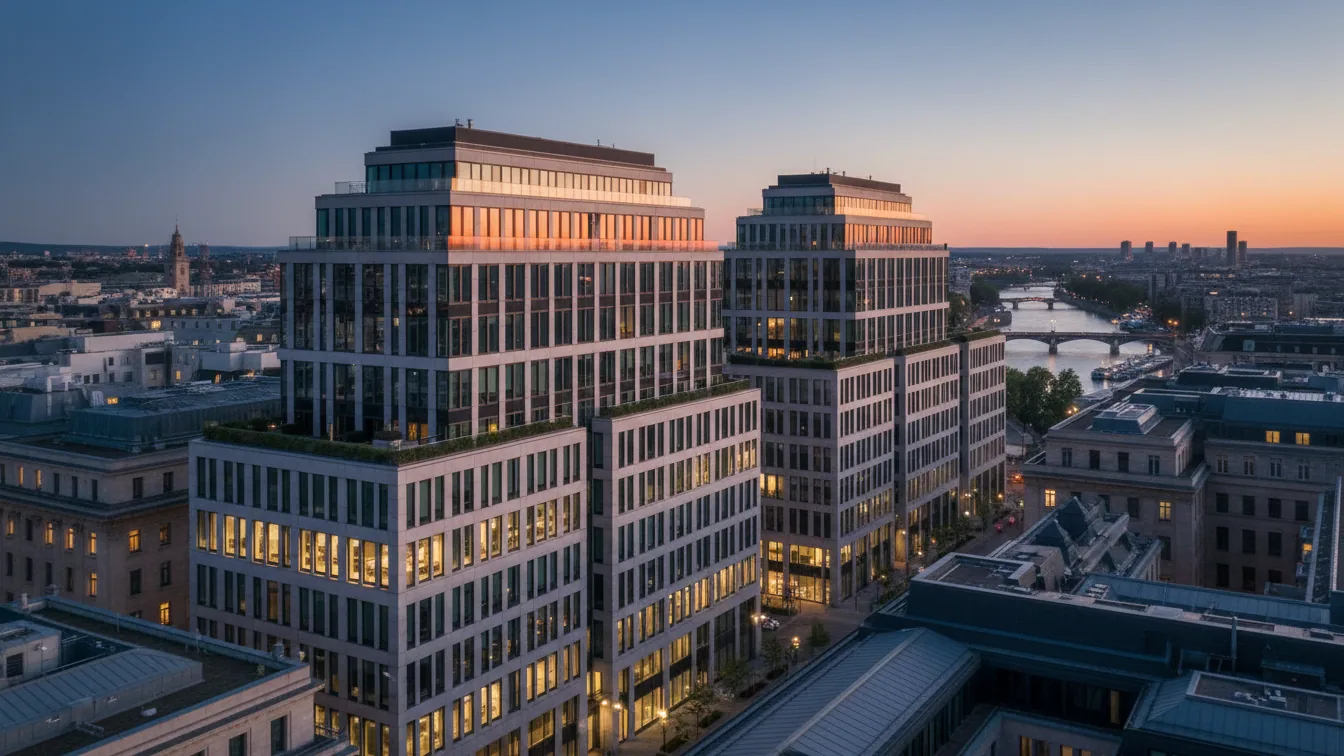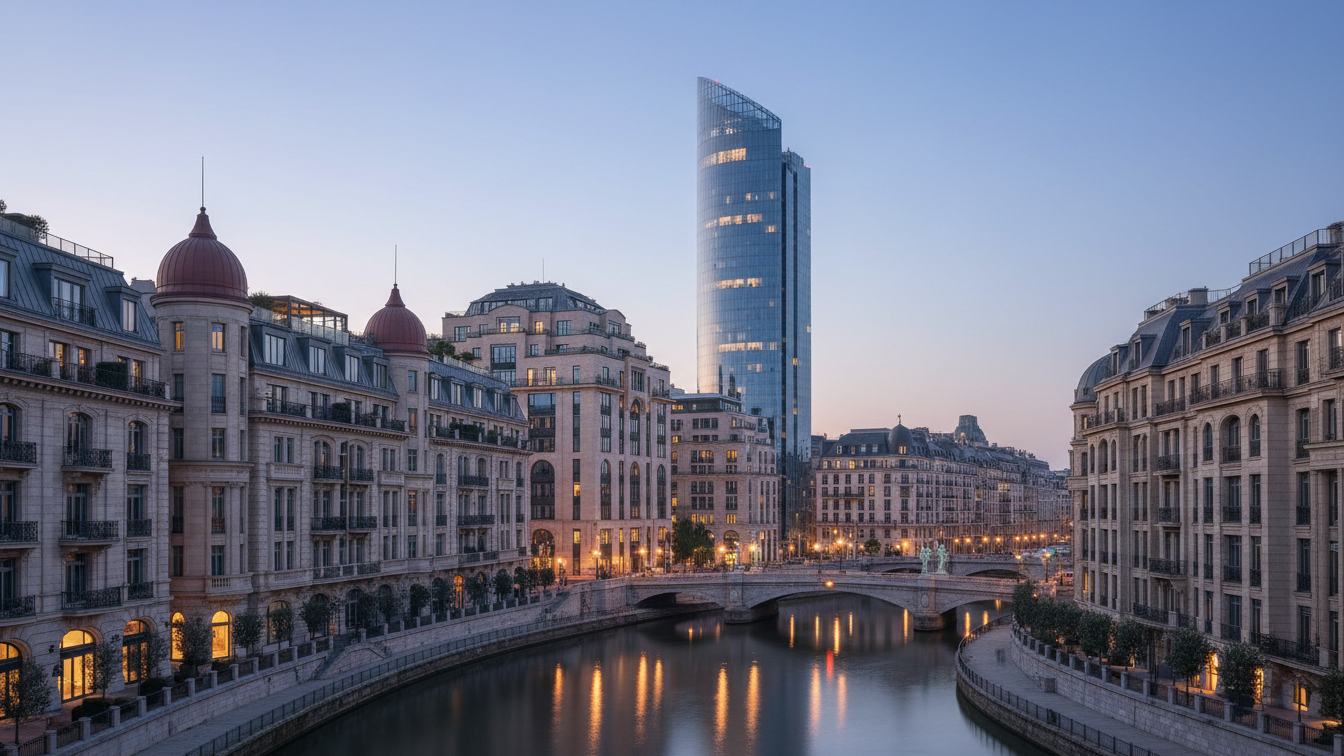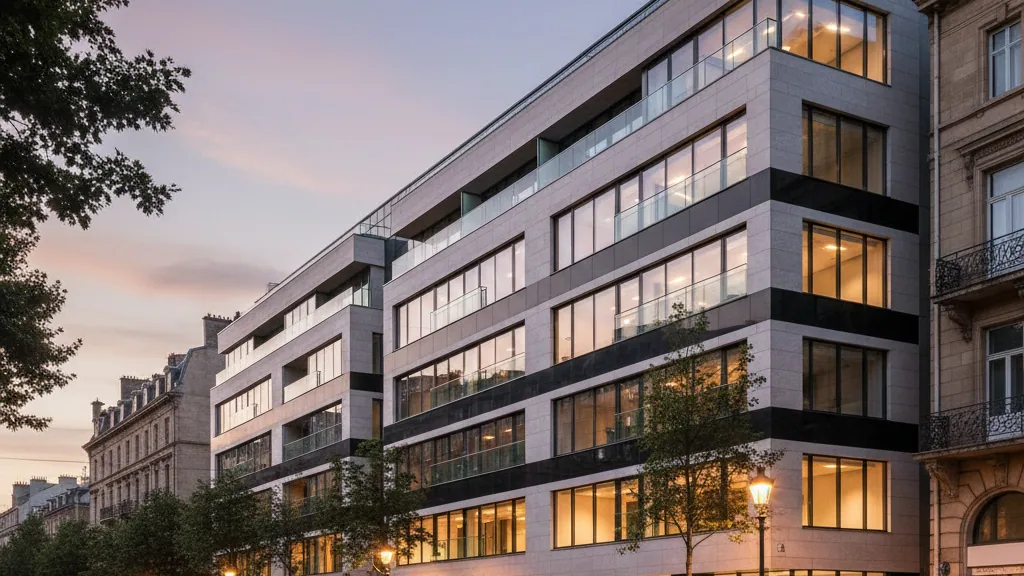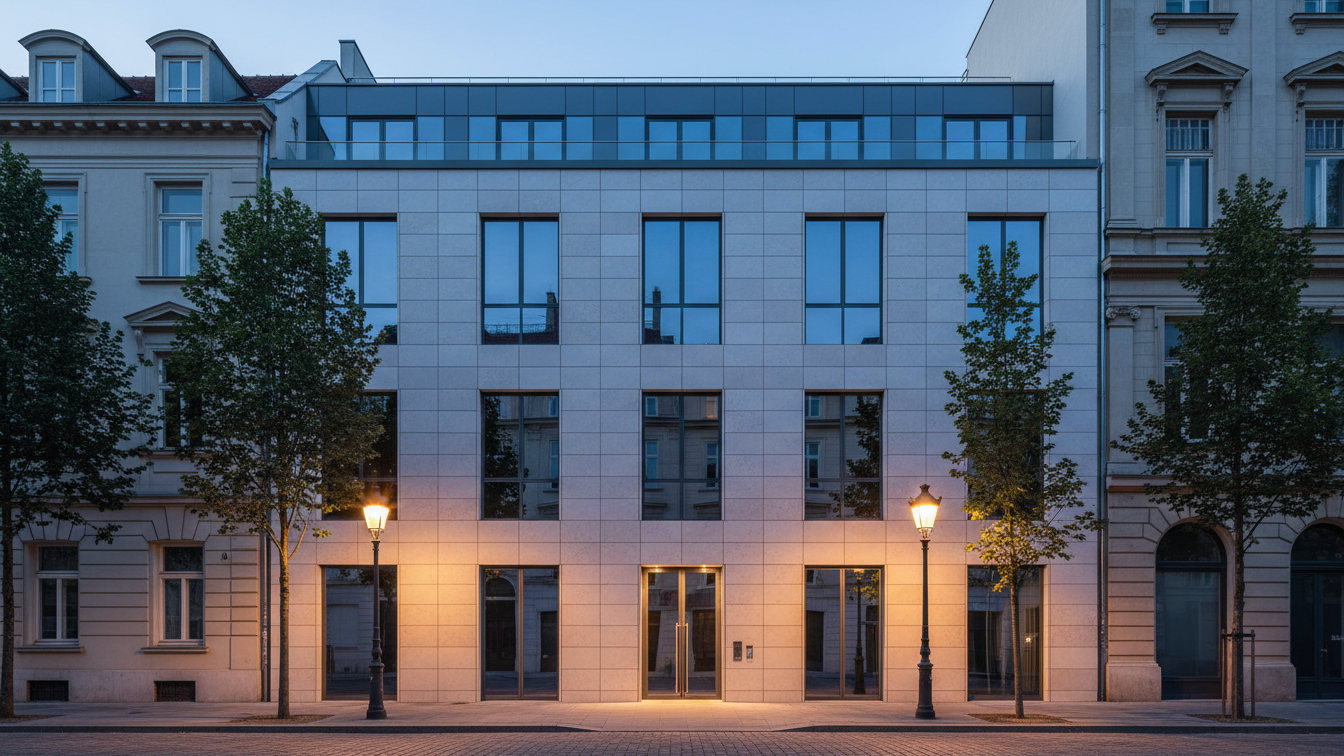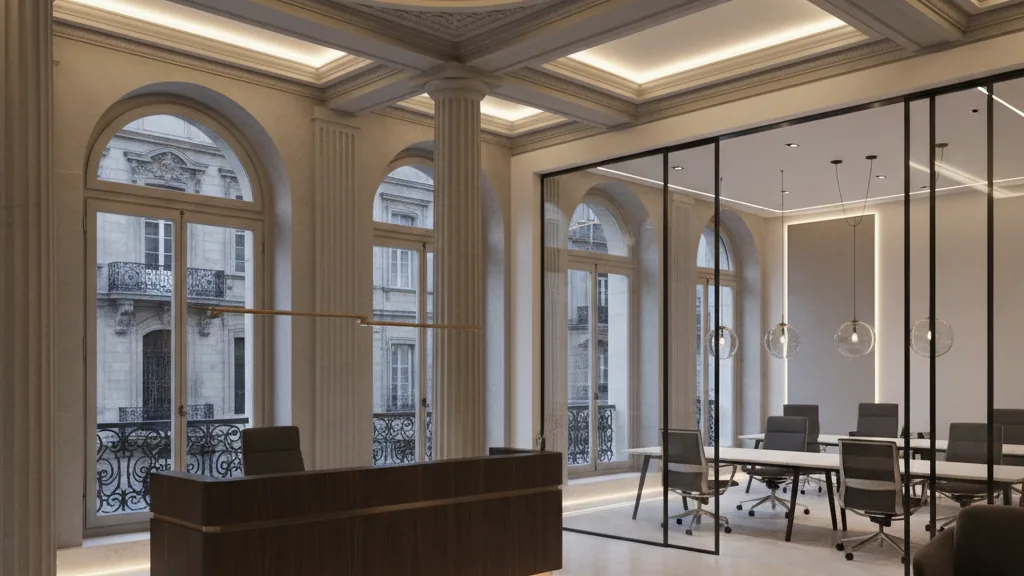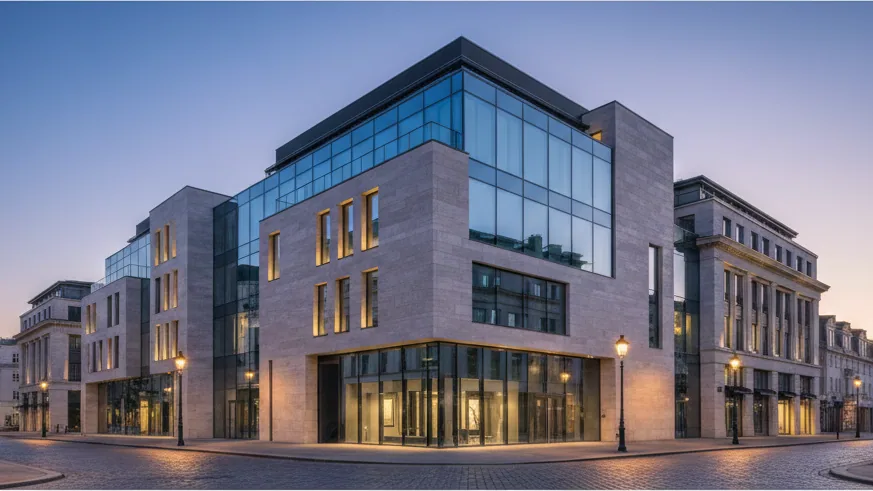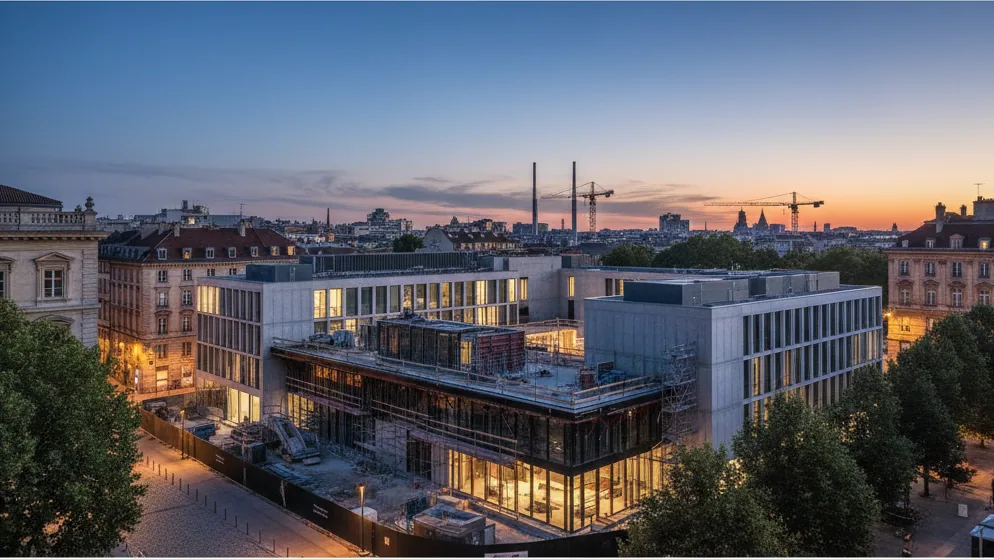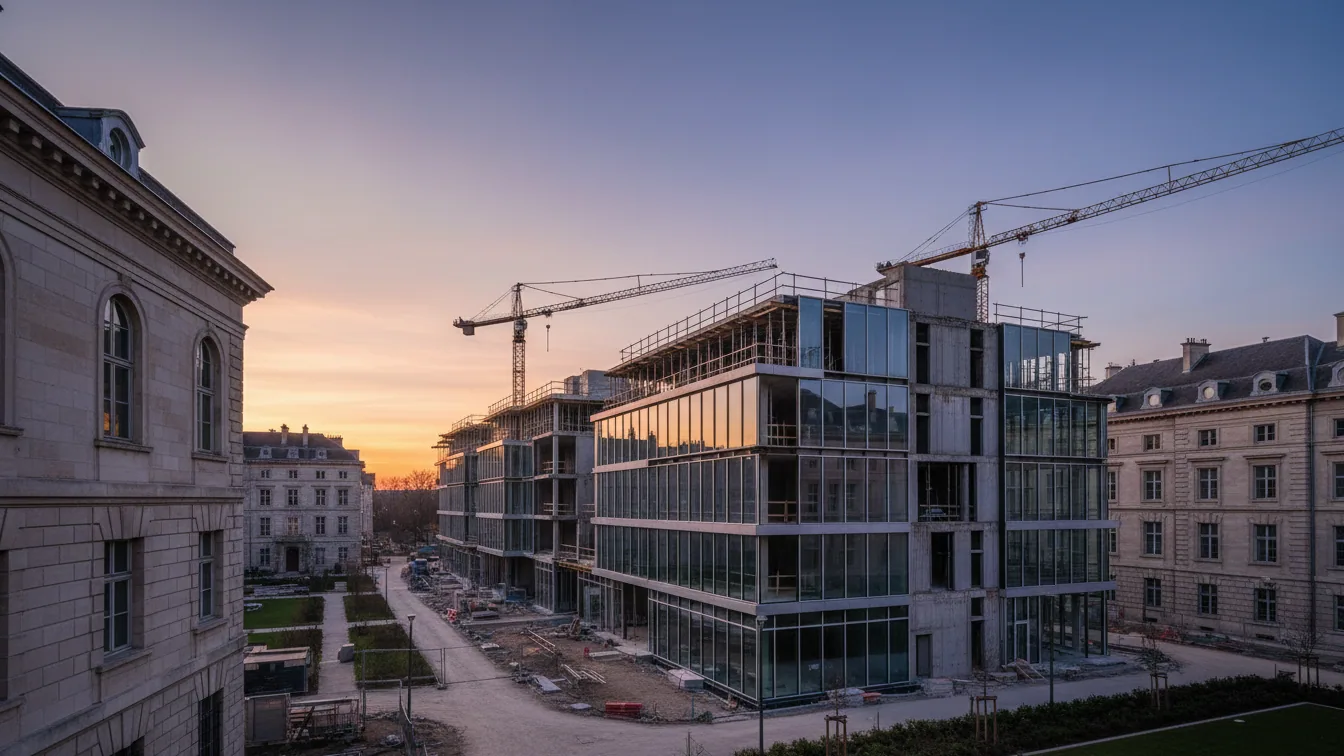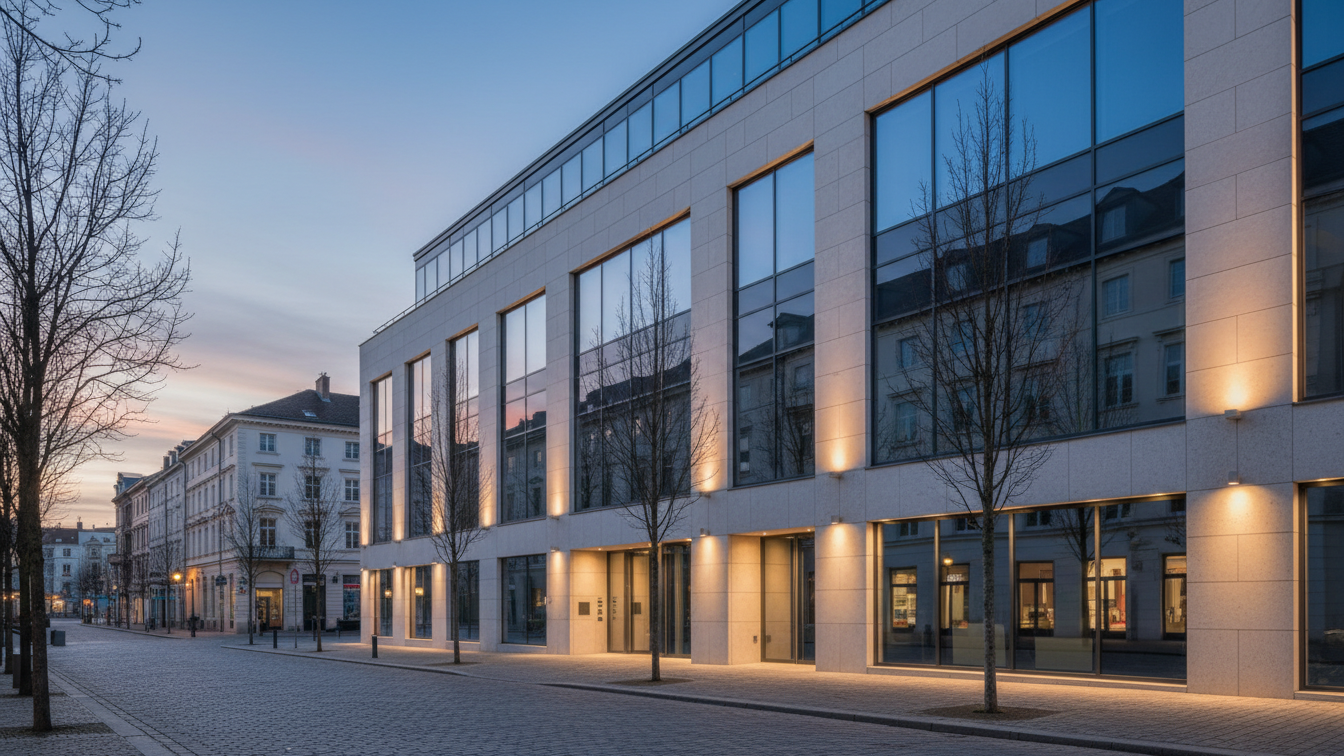
A significant real estate project in Frankfurt am Main has reached completion: the office buildings formerly known as the Lateral Towers have been fully adapted for use as an educational institution after an extensive conversion phase. Since the current school year, the complex has served as a central location for the schools housed there. This transformation reflects the dynamic evolution of urban usage requirements and the adaptability of existing real estate structures.
The undertaking marks a substantial reorientation of the property, which was originally designed as office space and has a history as the former location of the Deutsche Börse. The conversion into an education campus represents a departure from the previous purely commercial focus and creates a long-term perspective for the city's educational infrastructure. The spatial reinterpretation of the existing building stock enables efficient and future-oriented use in a central urban context.
Process and Participants of the Conversion
The implementation of this complex project required a coordinated effort from numerous stakeholders. The construction phase and the planning management of the conversion were geared towards the specific requirements of a modern school operation. This included adjustments to building services, room layouts, and the creation of a suitable learning environment. The now thirty-year lease agreement underscores the long-term commitment and strategic importance of this location for the education sector in Frankfurt am Main.
The conversion of the Lateral Towers into an education campus demonstrates the potential of conversion projects in inner-city areas. It responds to the growing demand for educational facilities and helps to relieve existing structures. The choice of this location, formerly associated with a prominent economic function, symbolises the shift from purely office spaces to a more diversified use that meets social and infrastructural requirements. The transformation of former office and stock exchange premises into a modern educational complex is an example of sustainable urban development.
Impact on Urban Development
The repurposing of the Lateral Towers as an education campus has far-reaching implications for local urban development and the real estate landscape. It revitalises an area with a long history as an economic hub and now integrates it into the metropolis's educational landscape. This approach creates added value for the community and underscores the real estate market's ability to respond to societal needs and flexibly adapt existing properties. The permanent contractual commitment also ensures stability and predictability for the coming decades, both for the educational institutions and for the urban infrastructure.