A classic bubble risk in the property market arises when purchase prices rise faster than rents and decouple from yields. According to an analysis by the research institute empirica, this specific danger in the German housing market has largely dissipated since 2022. The cause of this, however, is not healthy market regulation, but an abrupt slowdown resulting from historically sharp increases in financing rates.
Rising interest rates and collapse in new construction drive rental prices
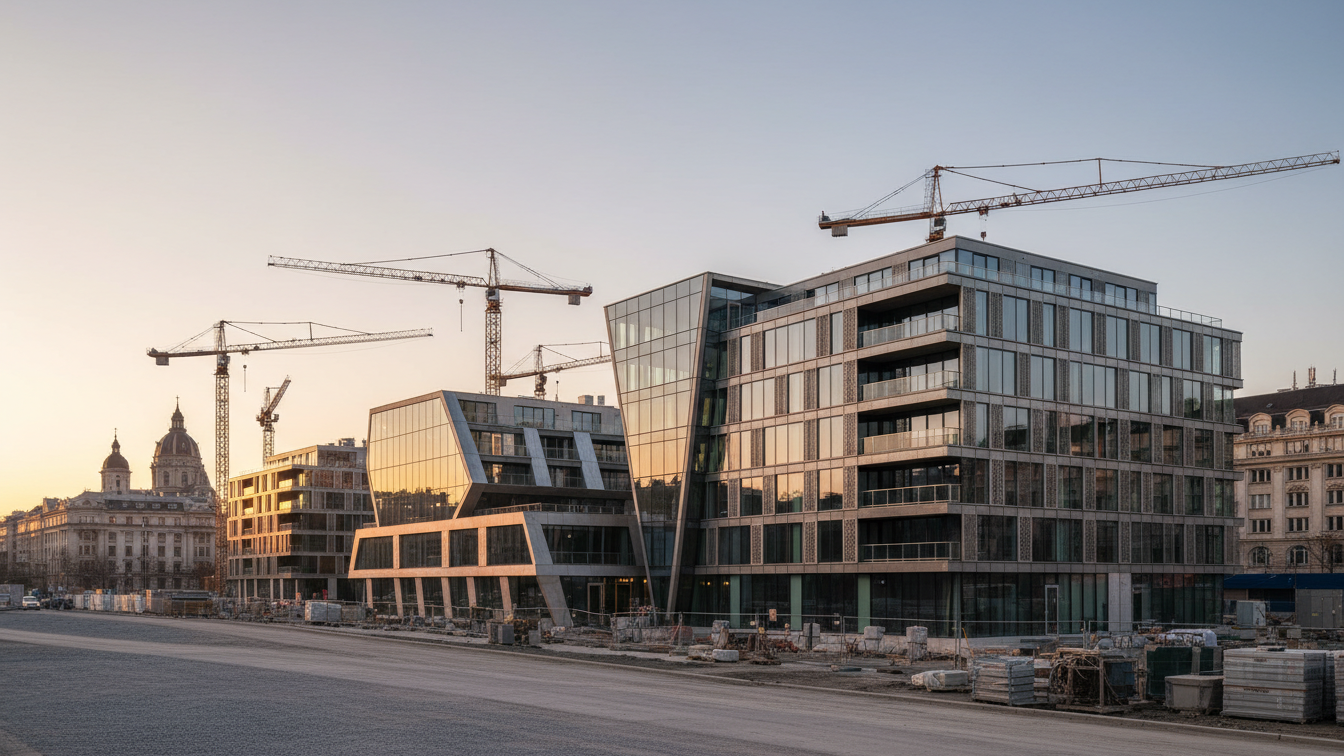
Due to altered interest rate conditions, financing costs have grown to such an extent that new construction activity has slumped drastically. This decline significantly exacerbates the existing housing shortage and causes rents to rise at an unprecedented pace. At the same time, the interest rate shock removed the foundation from purchase prices for existing properties, as investments in this segment became unprofitable.
Following another substantial rise in interest rates, this pattern is currently repeating itself. This circumstance has not yet been fully reflected in advertised asking prices, which form the basis of the empirica bubble index. Many vendors continue to cling to previous price expectations. In the institute's assessment, however, purchase prices for existing stock will inevitably soften.
Onerous framework conditions for existing housing stock
Alongside market forces, the political debate on expropriation acts as an additional deterrent. When property rights are politically called into question, investors pull back and avoid the locations concerned. This retreat of private capital has tangible consequences for the housing sector:
- —New residential construction continues to slump.
- —Refurbishment measures across existing buildings fail to materialise.
- —Valuations of existing properties come under even greater downward pressure.
- —House hunters face further rising rents combined with declining property quality.
Market activity is thus shaped by two opposing forces: while rents are climbing sharply due to the lack of new construction, prices for existing properties are softening. The speculative air is escaping the market, but at the expense of a worsening supply crisis for tenants.