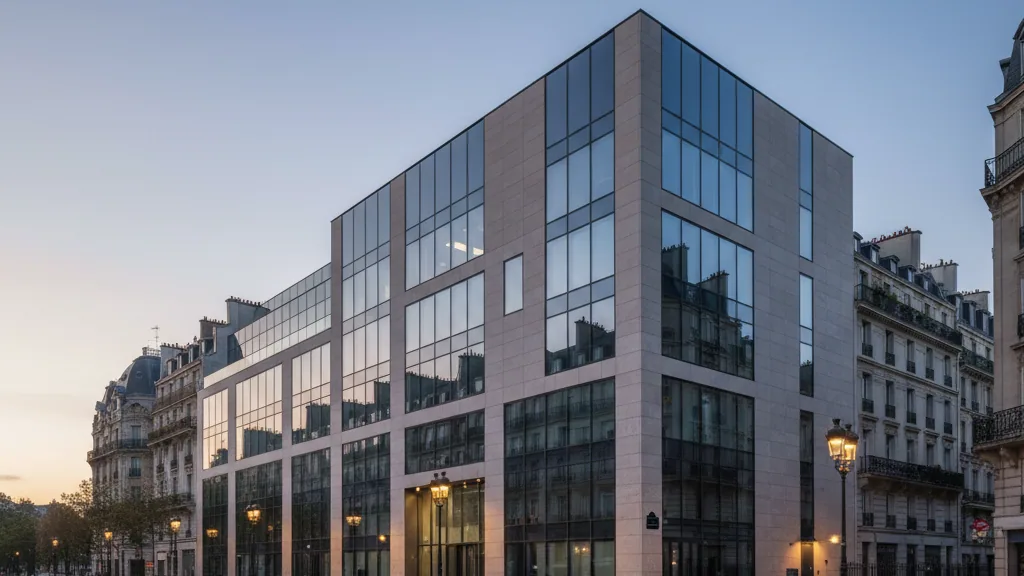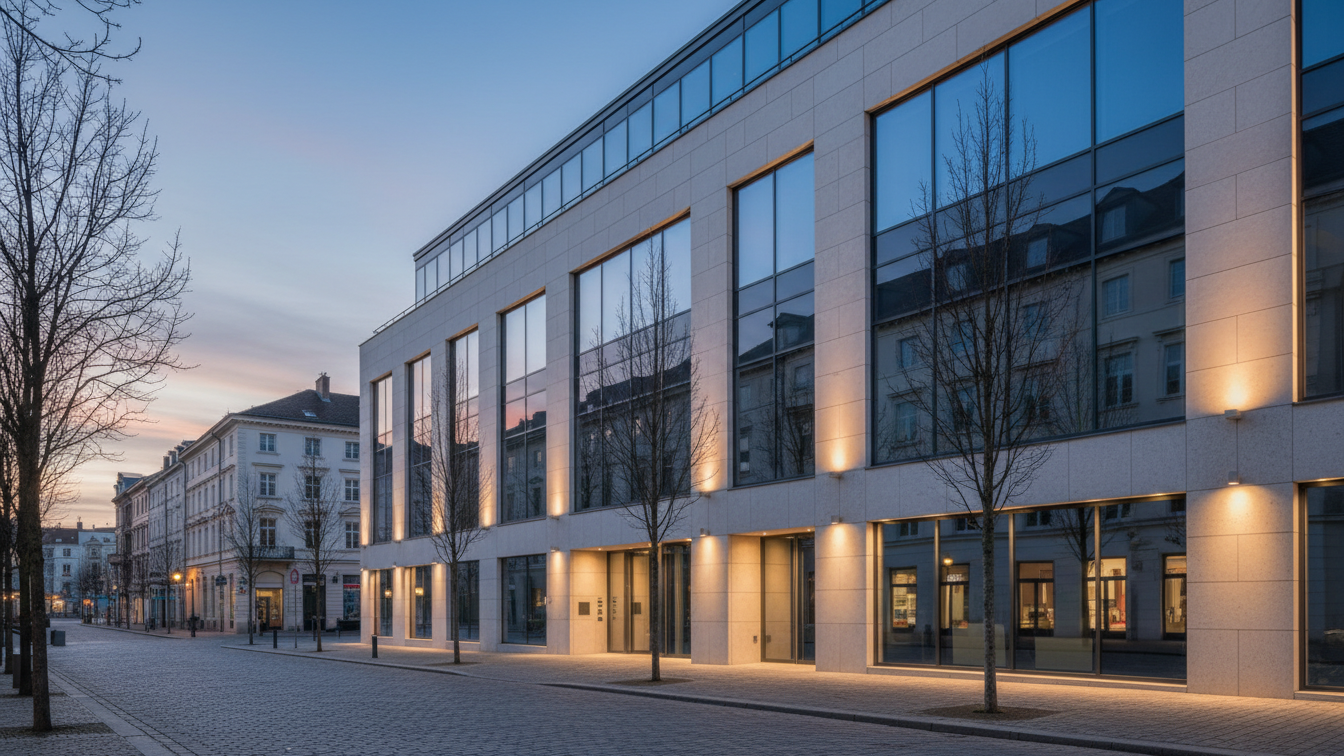
HafenCity Hamburg GmbH has awarded the service concession for the heating and cooling supply of the new Grasbrook district to enercity Contracting Nord GmbH. This company is part of enercity AG. The agreed supply stipulates that more than 90 percent of the heat energy will come from renewable sources and unavoidable waste heat from the outset. This means Grasbrook significantly exceeds the legally targeted mark of 80 percent for 2040 and is almost a decade ahead of it. Enercity's concept is based on an integrated generation and supply of heat and cold, which will successively grow with the development of the district.
Grasbrook benefits from enercity's existing infrastructure in Hamburg. The current heating network already supplies the eastern HafenCity and the Rothenburgsort district primarily with industrial waste heat from the Aurubis AG plant. This network will be extended for the districts south of the Elbe in Grasbrook. In addition, new local generation plants are planned to support decentralised heat provision. From 2035, a grid-connected cooling supply will be implemented in the Hafentorquartier, also based on renewable energies and surplus industrial waste heat.
Infrastructure and Development Timeline
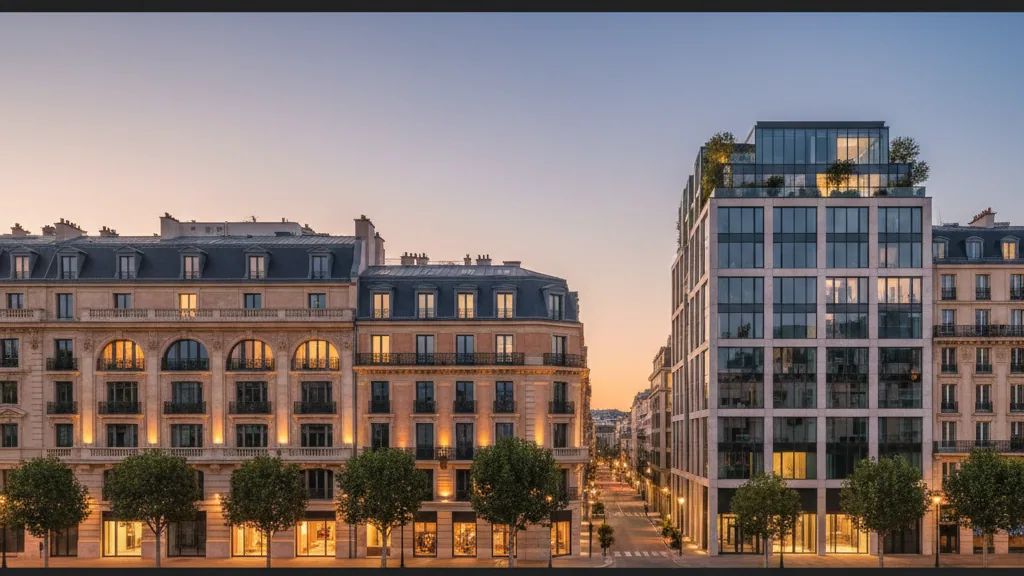
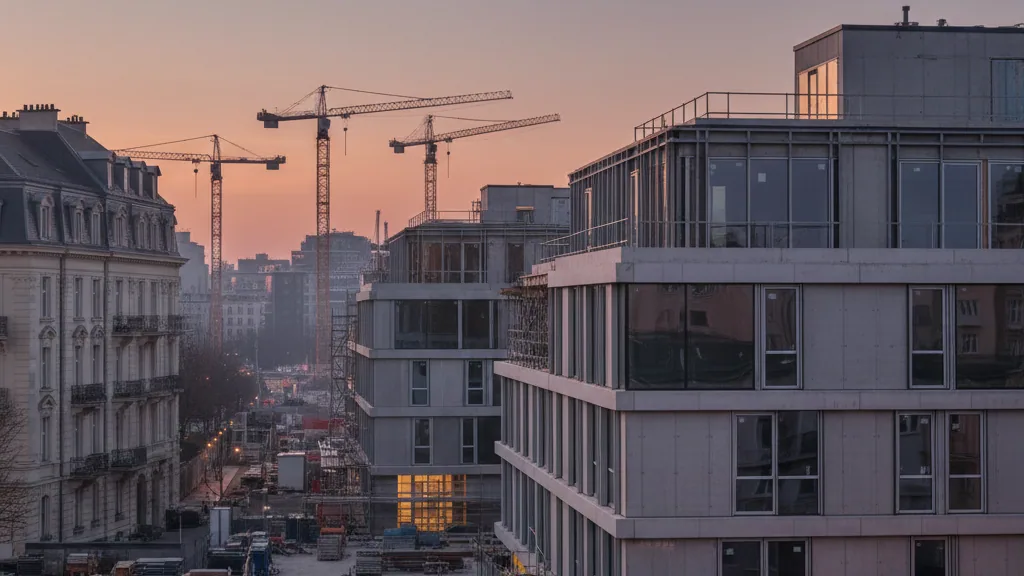
Within the framework of this project development, approximately 7.3 kilometres of new heating pipes and about 1.8 kilometres of cooling pipes will be installed in the Hafentorquartier in Grasbrook in the coming years. The new Grasbrook district is being created on an area of around 47 hectares, which formerly housed industrial and logistics facilities. At least 3,000 residential units and approximately 16,000 jobs are planned. The marketing of the first plots for mixed uses, including residential, office, retail, and hotel, has already begun. The first construction projects in the Moldauhafenquartier are scheduled for autumn 2028.
Dr. Andreas Kleinau, Chairman of the Management Board of HafenCity Hamburg GmbH, emphasised that Grasbrook will have a central heating and cooling network that offers residents and businesses an efficient and economically attractive energy supply with a high proportion of renewable energies and the use of industrial waste heat. Aurélie Alemany, CEO of enercity AG, described the heating transition as a driver for sustainable urban growth and stressed that the project in Grasbrook will demonstrate how climate protection, security of supply, and economic viability can be integrated from the very beginning.
Modular System and CO₂ Neutrality
The strategic integration of Grasbrook into the existing enercity heating network allows the district to access existing heat sources from the start. This ensures that more than 90 percent of the heat comes from renewable energies and waste heat even in the initial phase. As the district develops, generation capacity will also be expanded. The modular system provides for the integration of further renewable heat generation plants both outside and additionally directly within the district, including heat pumps that utilise ambient heat from the air and, where applicable, wastewater. By 2040, the aim is to increase the proportion of renewable energies and unavoidable waste heat in Grasbrook to 100 percent, with a clear path to CO₂ neutrality.
The joint planning of heating and cooling reduces the need for separate generation plants in individual buildings and thus the required space. Sascha Brandt, Head of the Hamburg Branch of enercity Contracting Nord GmbH, explained that the integrated system combines various energy sources, including unavoidable industrial waste heat, large heat pumps for exploiting local heat sources, and biomethane to cover peak demands. This approach ensures a tailor-made development of the energy infrastructure for the growing district.