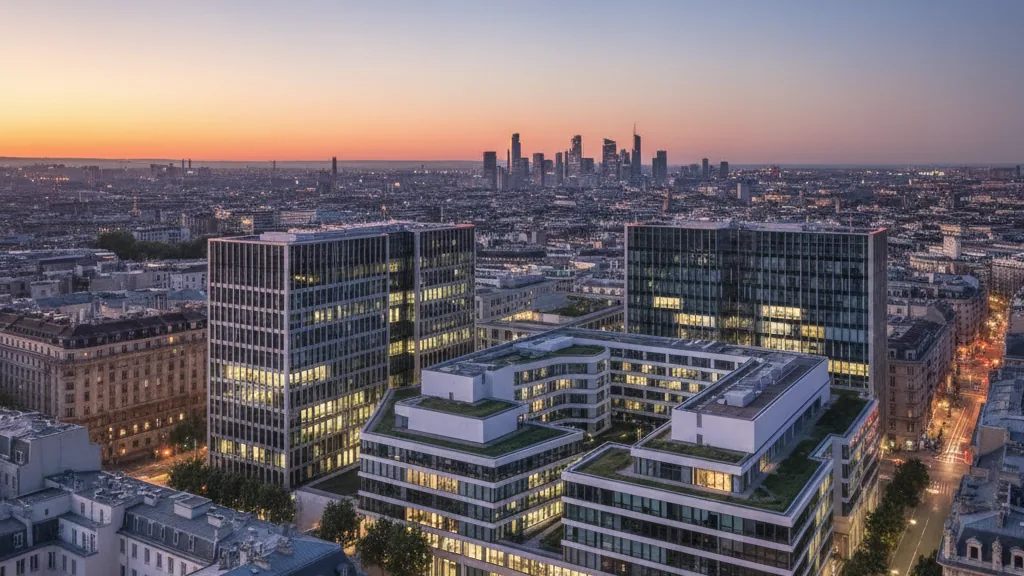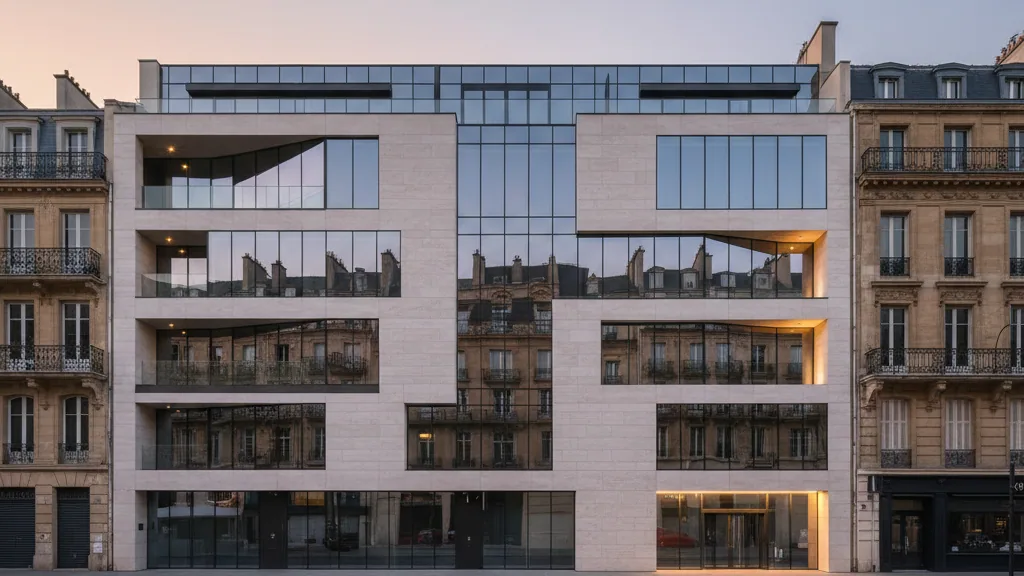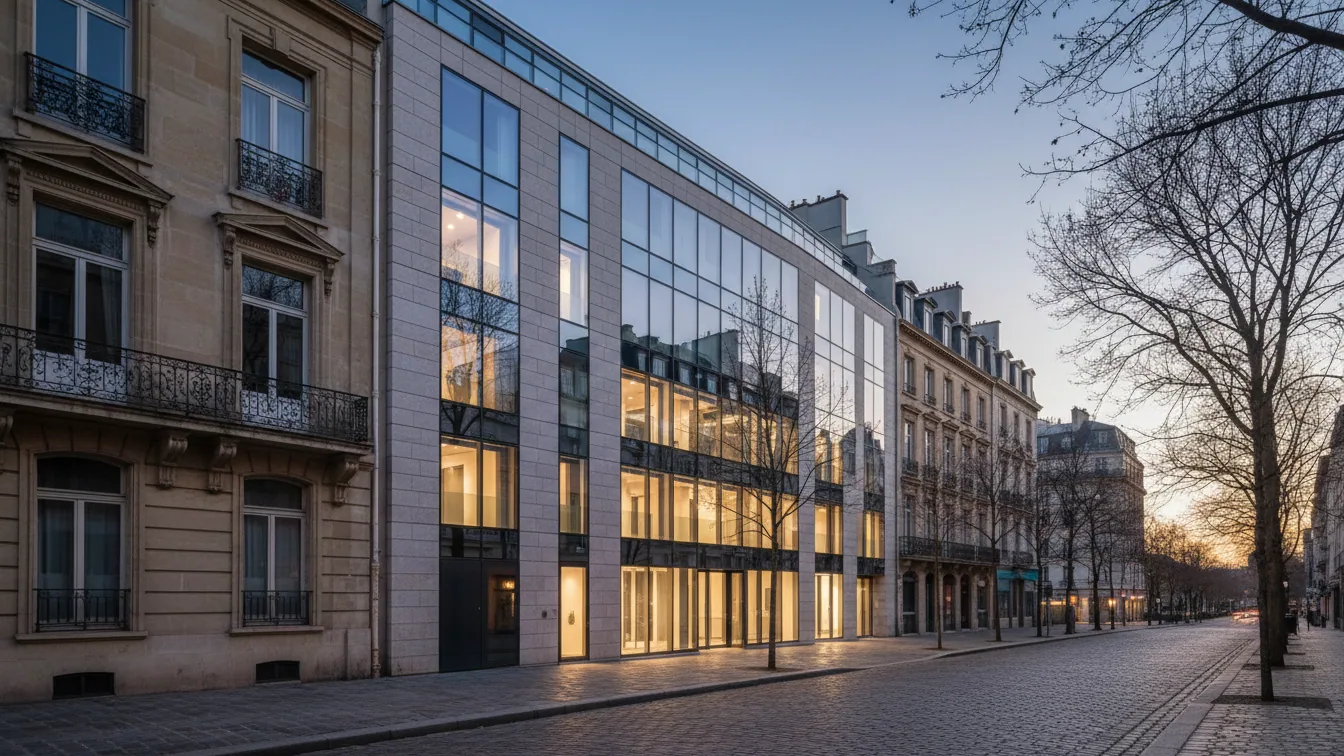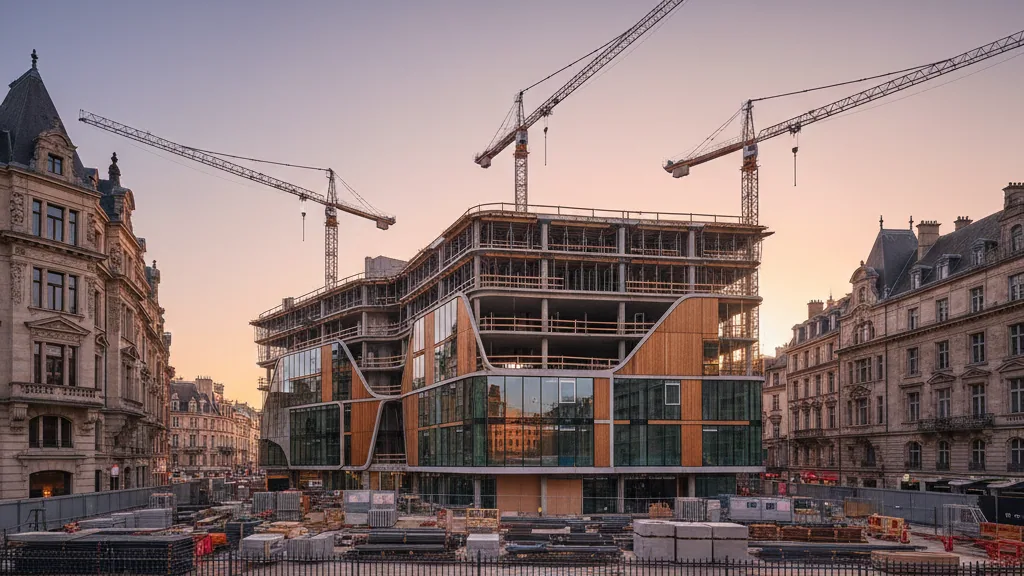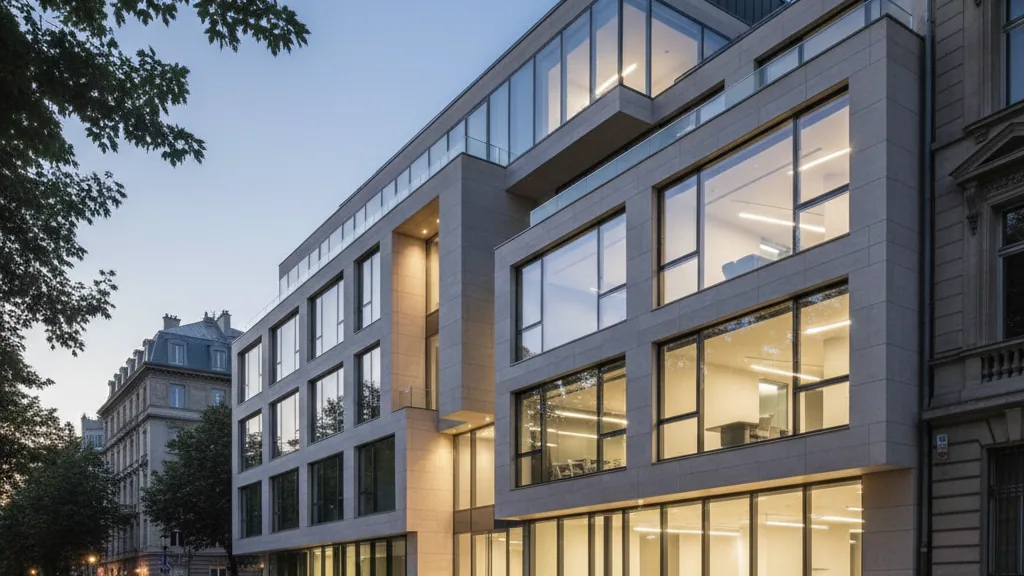
The current market situation, characterised by high energy prices, is increasingly influencing the criteria for acquiring real estate. A significant development is the increased attractiveness of owner-occupied flats characterised by good insulation and correspondingly low heating costs. These properties offer financial relief for owners and tenants alike by minimising monthly operating costs.
The long-term outlook for energy cost development suggests that these could remain at an elevated level or continue to rise. In this context, the importance of energy-efficient residential properties is increasing not only in terms of direct operating costs but also as a stable value factor in the property portfolio. Buyers are placing greater emphasis on sustainable and economically sensible investments that meet future requirements.
Location Factors and Energy Performance Certificate
The profitability of an investment in an energy-efficient property depends on several factors. In addition to the structural condition and energy indicators, the location plays a crucial role. Urban centres and sought-after residential areas, where there is continuous demand, particularly benefit from the value stability and appreciation of energy-efficient properties. The combination of low operating costs and a preferred location significantly increases a property's attractiveness.
The energy performance certificate has gained increased relevance in this regard. It no longer merely serves as a formal document but as a central criterion in evaluating purchase and rental decisions. Classification into higher efficiency classes, for example A or B, signals to potential buyers and tenants a forward-thinking construction method and minimised running costs. This leads to a preference for properties with excellent energy values, which directly impacts their market value.
Market Behaviour and Demand
Current observations in the Munich property market show a clear trend: properties that meet the requirements for modern energy efficiency experience higher demand and achieve more stable prices. This applies particularly to renovated existing properties and new construction projects that already incorporate high energy standards during planning. Investing in energy-efficient modernisation or acquiring energy-efficient new builds is thus becoming increasingly attractive, not only from an ecological but also from an economic perspective.
- —Increasing attractiveness of well-insulated owner-occupied flats.
- —Long-term value stability through reduced operating costs.
- —The energy performance certificate as a central decision criterion.
- —High demand for energy-efficient properties in preferred locations.
For property owners considering a sale, documenting and improving energy efficiency can play an important role in valuation. Comprehensive preparation of energy data and, where appropriate, targeted modernisation measures can significantly strengthen a property's market positioning and represent a competitive advantage. The market's requirements for the energy characteristics of residential space are likely to intensify further.