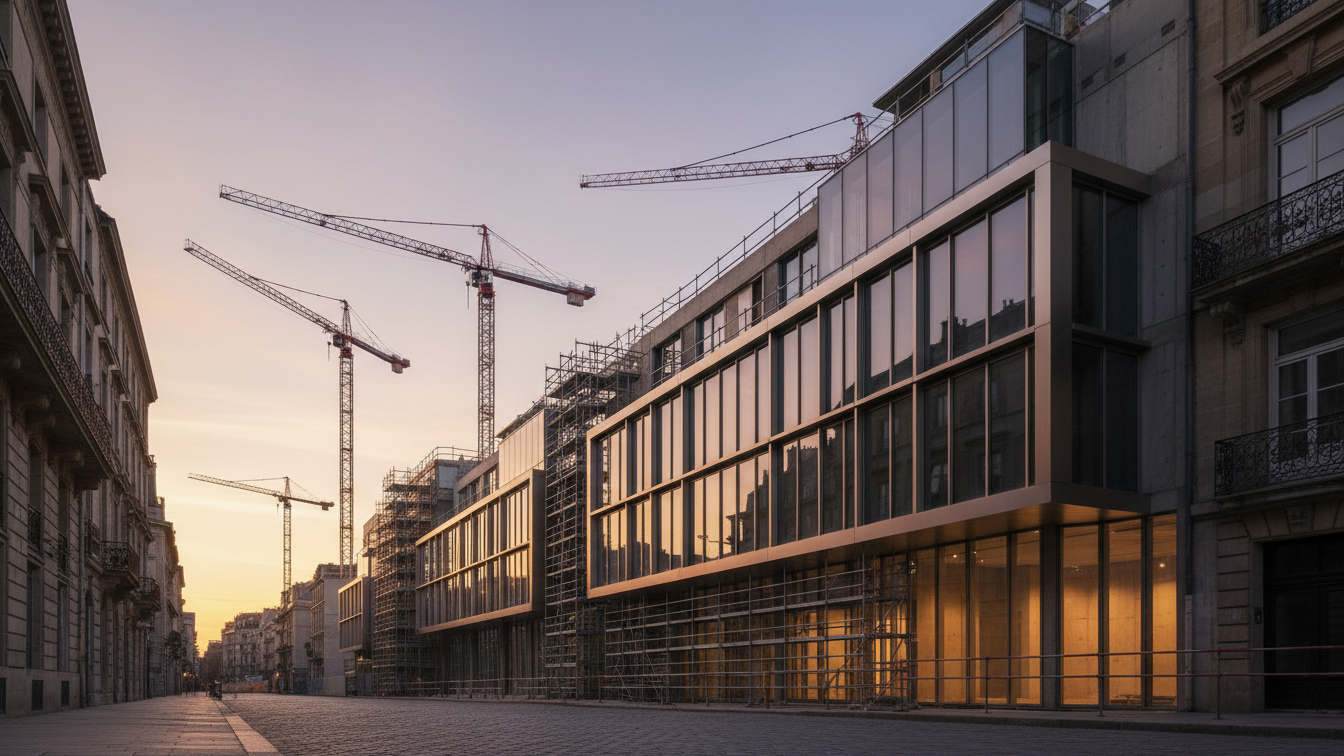
Towergy GmbH has developed a large heat pump, referred to as a Climate Tower. This system is capable of supplying up to 400 new-build or 200 existing residential units with renewable heating and cooling. The first Climate Tower was commissioned on 30 June on Bremen's Überseeinsel. It will supply the Klimacampus Bremen and adjacent artists' studios with heat. Further projects are planned. By the end of the year, Towergy will commence series production at its own manufacturing facility in Bremerhaven.
Technical Details and Flexibility
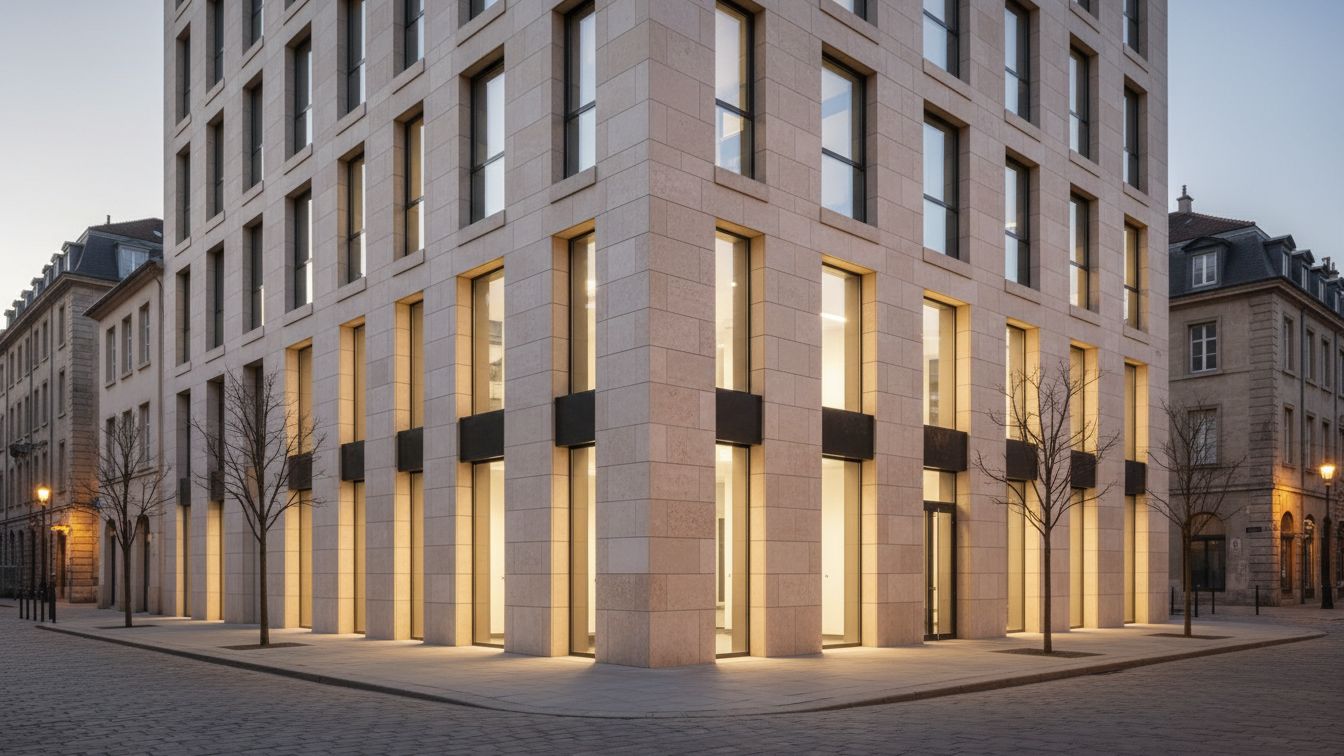
The Climate Tower is a rectangular system featuring an air-to-water large heat pump. Air intake occurs via four sides, with exhaust air discharged through the tower's top. Integrated fans with silencers reduce noise emissions. The necessary electrical engineering and pumps for direct connection to heating networks are integrated as standard. Towergy offers the patent-pending vertical design in four versions with a thermal output ranging from 0.3 to 1.5 megawatts. The modular system allows for installation within a few weeks. The height of the towers varies between 11 and 14 metres, with base areas between 3.8 x 3.8 and 5.6 x 5.6 metres.
The facades of the Climate Tower can be individually designed, for example, in colour, with greenery, or mirrored. Use as an advertising surface is also possible. Additionally, two wall boxes can be installed at the base of the tower to supply charging current to two parking spaces. The sound pressure level of the most powerful variant is below 35 dB(A) at a distance of ten metres, which, according to the company, corresponds to a quiet whisper. These characteristics enable operation even in sensitive environments.
Efficiency and Economic Viability
Tobias Werner, Managing Director of Towergy GmbH, which was founded in 2025 together with Professor Rolf-Peter Strauß from Hochschule Bremen, emphasises that the Climate Tower is the quietest and most space-saving large heat pump in this performance range. Professor Strauß adds that the Climate Tower is a solution for the heating transition in densely populated residential areas and districts, particularly where sound issues and space constraints are present. Due to integrated silencers and solid walls, operation can take place even at night in purely residential areas.
Operating costs are optimised by an in-house development: a self-learning control system. This system analyses weather forecasts, wholesale electricity prices, and the projected heating and cooling demand of the district and building characteristics for the next 72 hours to optimise the operating schedule. The heat pump preferentially runs when the electricity mix originates from renewable sources and electricity prices are simultaneously favourable. Klaus Meier, Managing Partner of Stadt.Energie.Speicher GmbH, notes that the Climate Tower offers answers to questions regarding the technical feasibility and affordability of heat pumps in urban contexts.