The Falkensteiner Michaeler Tourism Group (FMTG) has published its second voluntary sustainability report. This report, covering the 2025 financial year, was prepared in accordance with European reporting standards ESRS, although the company no longer falls under the mandatory scope of the Corporate Sustainability Reporting Directive (CSRD). This underscores FMTG's ongoing strategy to ensure transparency and traceability in sustainability reporting.
The report documents progress made in climate protection, energy efficiency, certifications, and human resources development. Simultaneously, it identifies areas for action where further development is needed. Otmar Michaeler, CEO of the Falkensteiner Michaeler Tourism Group, emphasised that sustainability is understood as a long-term strategic process that links ecological, social, and economic aspects. He described the report as a working instrument for visualising progress and clearly identifying areas requiring action.
Erich Falkensteiner, Chairman of the FMTG Supervisory Board, highlighted the family business's cross-generational approach. This long-term perspective forms the basis for corporate development and the responsible actions that have characterised the group for decades.
Progress in Energy and Emissions
Particularly significant progress has been made in energy supply and climate protection. Market-based Scope 2 emissions were reduced by 27 percent compared to 2024, to 8,288 tonnes of CO2 equivalent. This was due to portfolio adjustments and the consistent use of renewable energies at Austrian locations, where approximately 90 percent of electricity, heating, and cooling now come from renewable sources. The share of renewable energy in the group's total energy consumption increased within one year from 49.5 to 54.6 percent. By commissioning two additional photovoltaic systems, in-house electricity production increased by approximately 32 percent in 2025 to a total of 458 megawatt-hours.
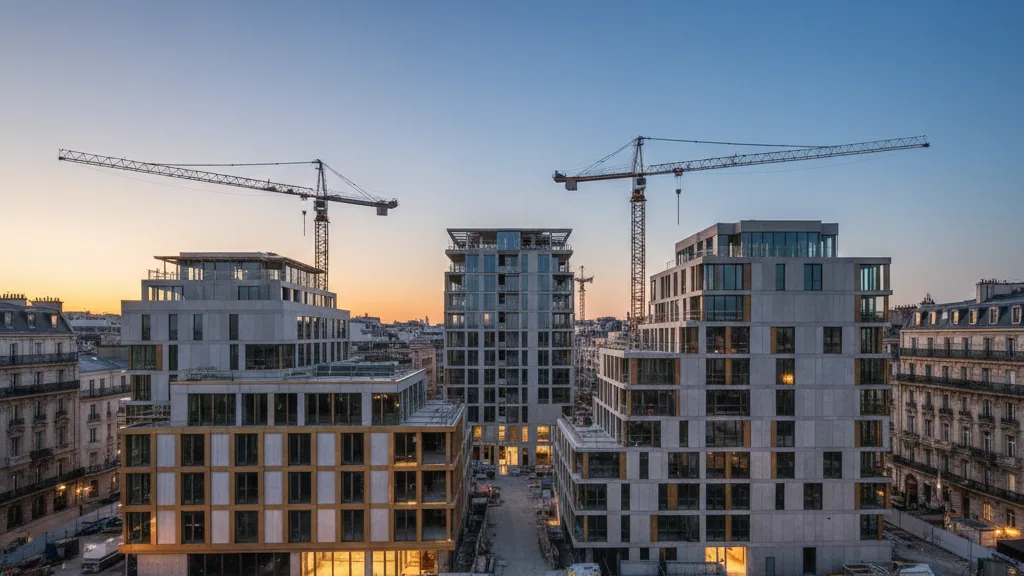
Nevertheless, the group's total Scope 1, 2, and 3 emissions saw an increase of 39 percent, primarily due to extensive construction activities for development projects in Salò on Lake Garda and Licata in Sicily. When considering only hotel and camping operations, the CO2 intensity per overnight stay improved by 15 percent compared to the previous year.
Certifications and Personnel Development
In the area of sustainability certifications, FMTG achieved a significant milestone in 2025: the entire Austrian hotel portfolio is now certified with both the Austrian Ecolabel and the EU Ecolabel. In 2025 alone, eight properties were newly or re-certified. A gradual extension of external certification to further hotels and camping sites is planned. Furthermore, employee development programmes continued. The number of apprentices (Youngstars) rose from 22 in 2021 to 41 in 2025, representing an increase of approximately 86 percent within four years. External awards, such as first place at the HR Inside Award, confirm this direction.
For the coming years, FMTG plans to develop a climate transition plan for 2026, based on 2025 data, to define concrete reduction targets for 2030, 2040, and 2050. The aim is to increase the share of renewable energies at group level to 70 percent by 2030 and to completely eliminate fossil fuels in heating supply by 2035. The Sustainability & ESG department at Michaeler & Partner, founded in 2024, which initially developed FMTG's internal ESG strategy, now also advises external clients on implementing their sustainability strategies.