HypoVereinsbank – UniCredit has committed to financing the second construction phase of the KIRSCHGÄRTEN project in Munich-Untermenzing. This segment of the development envisages a total of 384 new rental flats. The legal support for the structuring and implementation of the financing for the developer ECKPFEILER was provided by a GSK Stockmann team, led by partner Dr. Alma Franke.
A key characteristic of this financing is the integration of ecological and social sustainability criteria. The financing complies with the requirements of a Green Loan. Furthermore, the second construction phase of KIRSCHGÄRTEN represents the first privately-funded residential construction project in Germany to be financed under the guidelines of HypoVereinsbank – UniCredit's Social Impact Financing Programme.
Social components and long-term commitment
Of the 384 rental flats being built in the second construction phase, approximately 42 per cent, or almost 60 per cent of the living space, are designated for reduced-rent housing and the income-oriented Munich Model. This social component underscores the project development's approach to creating affordable housing in a high-quality district. The construction phase will remain a long-term asset of ECKPFEILER. This asset strategy enables sustainable impact verification for the social impact financing, as the social and ecological objectives can be monitored and evaluated over an extended period.
District development in Munich-Untermenzing
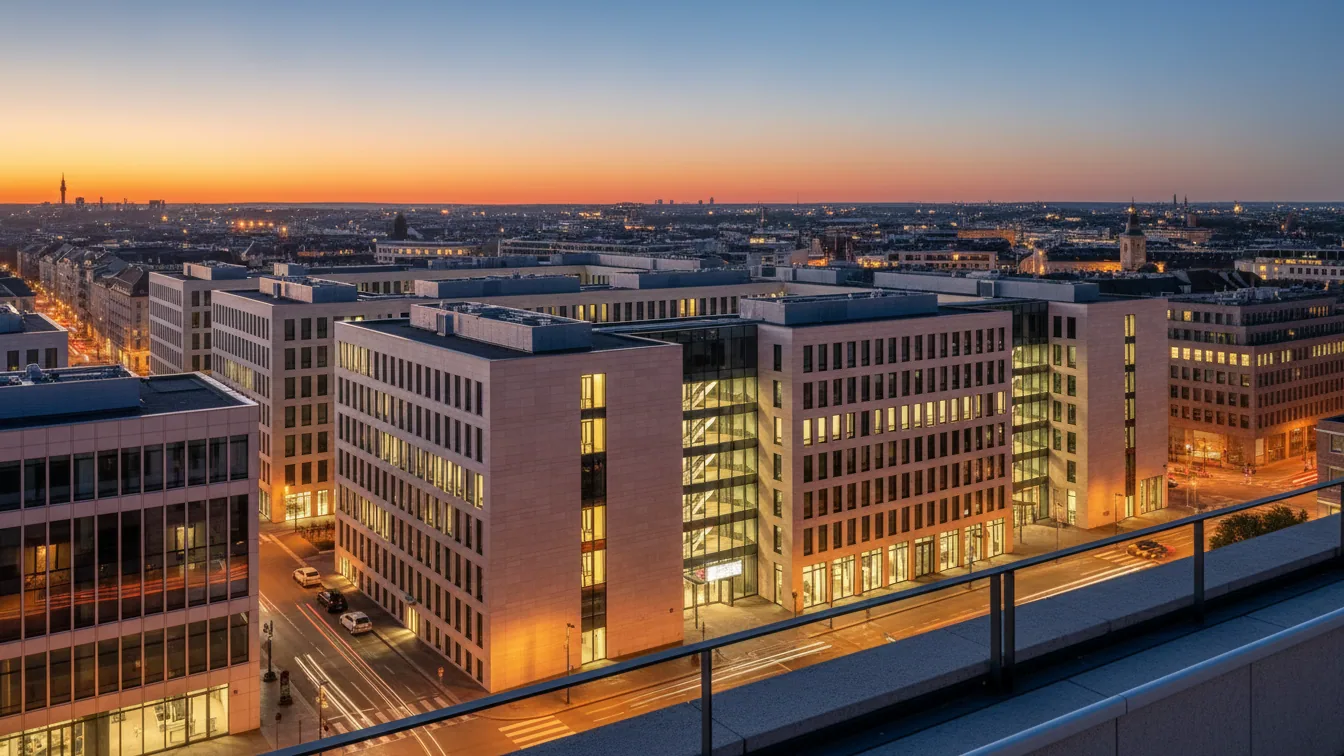
The overall KIRSCHGÄRTEN district is being built on a former industrial site in Munich-Untermenzing. It is one of the largest timber-hybrid developments in Southern Germany, which highlights its ecological orientation. The second construction phase comprises a gross floor area of approximately 33,000 square metres, distributed across three building blocks. Construction for this phase is scheduled to begin in October 2026. This development contributes to expanding the housing supply in Munich and sets standards in terms of sustainable project financing and construction methods.
The implementation of sustainability standards in both financing and construction reflects a growing trend in the real estate market to prioritise ecological and social responsibility. This particularly affects larger residential construction projects in urban agglomerations, where the demand for housing is accompanied by an increasing demand for environmentally friendly and socially acceptable solutions. The cooperation between the bank, developer and legal counsel enables the realisation of such complex and forward-looking projects.