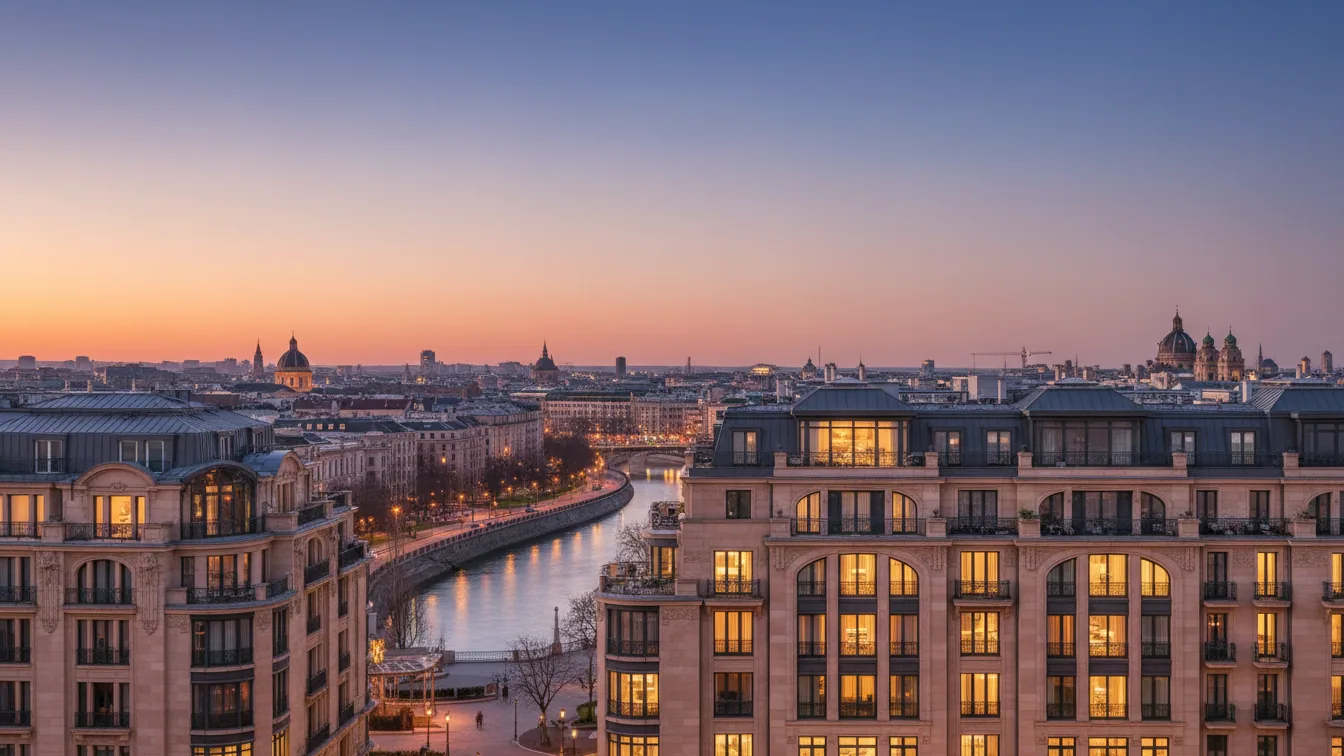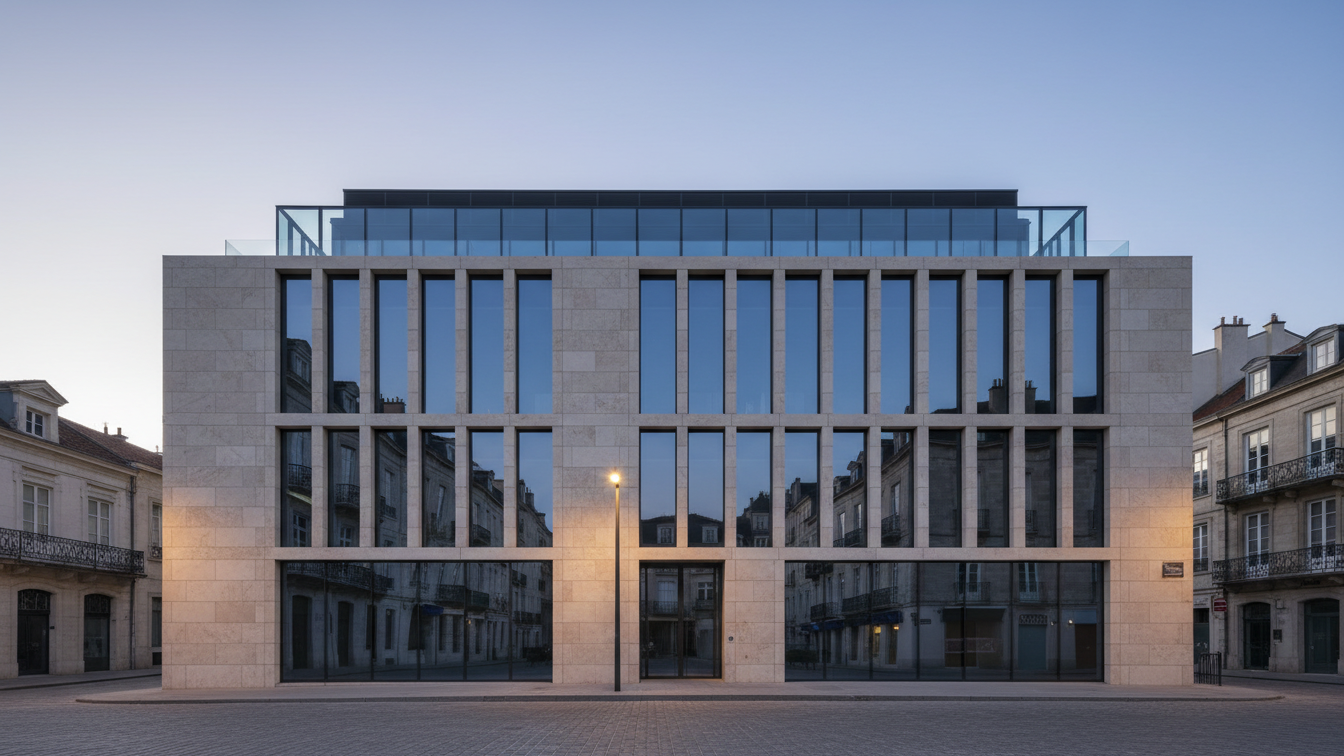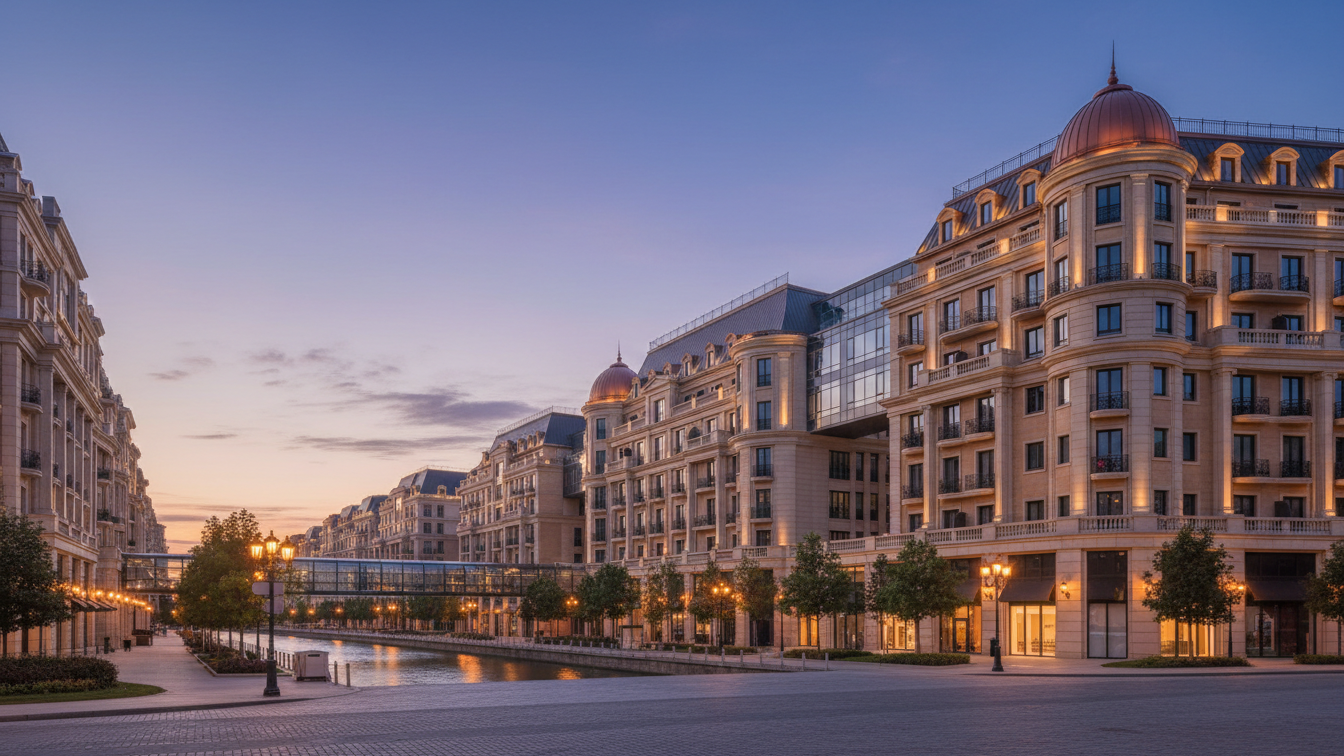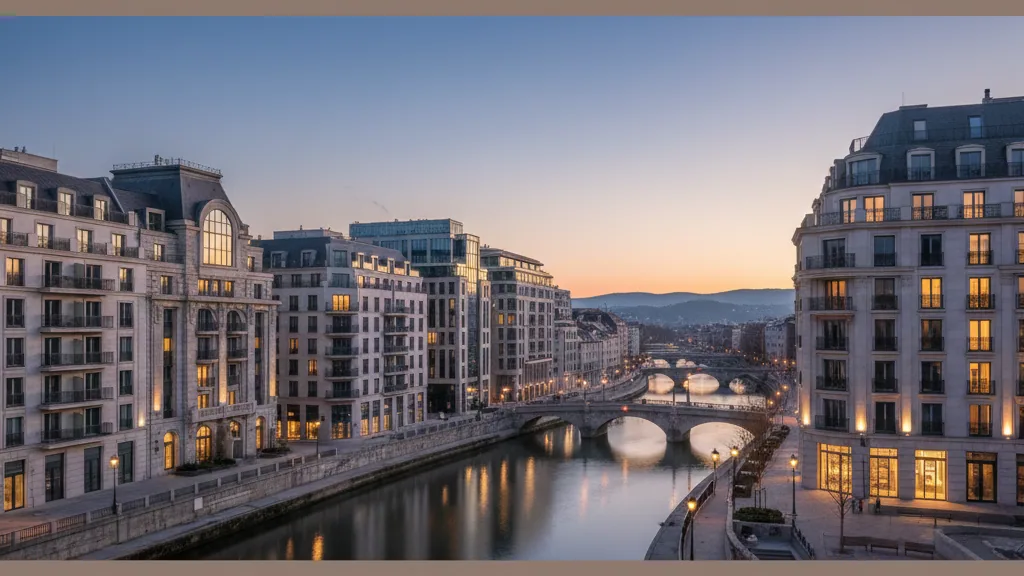
Recent climatic developments in Germany, characterised by repeatedly occurring temperatures exceeding the 30-degree mark, are increasingly influencing the requirements for residential and commercial properties. These weather conditions are leading to a significant rise in interest in properties that feature appropriate cooling technologies or allow for their retrofitting.
Traditionally, active indoor cooling played a subordinate role in Germany. The focus was primarily on heating performance and insulation against cold. However, the changed climatic conditions are shifting this focus. Developers, project managers and end-users are re-evaluating thermal comfort during the summer months.
Requirements for modern properties
The increased sensitivity to indoor climate is reflected in concrete search criteria. Properties that already integrate air conditioning or are architecturally suitable for a corresponding retrofit are experiencing heightened attractiveness. This applies to both new builds and existing properties. For existing properties, the convertibility or efficiency of existing systems is becoming a decisive selling or leasing argument.
- —Integrated air conditioning systems in new builds are becoming standard.
- —Retrofitting of cooling systems in existing properties is becoming more important.
- —The energy efficiency of cooling technology is moving to the forefront.
- —Increasing importance of building management systems for temperature regulation.
This development not only affects the outfitting of properties but also their energy balance and operating costs. The selection of energy-efficient cooling systems and their integration into overarching building control systems are gaining in importance. This serves both cost efficiency and compliance with energy standards.
Market Implications
For the real estate market, this results in an adjustment of valuation factors. Properties that meet the changed requirements for indoor climate can exhibit higher market attractiveness and, consequently, potentially more stable value development. Estate agents and project managers must increasingly incorporate these factors into their advisory and planning strategies to meet the expectations of demanders.
Adapting to climatic changes is becoming an integral component of modern property valuation. A building's ability to ensure optimal thermal comfort in all seasons is developing into a premium feature that goes beyond mere functionality.