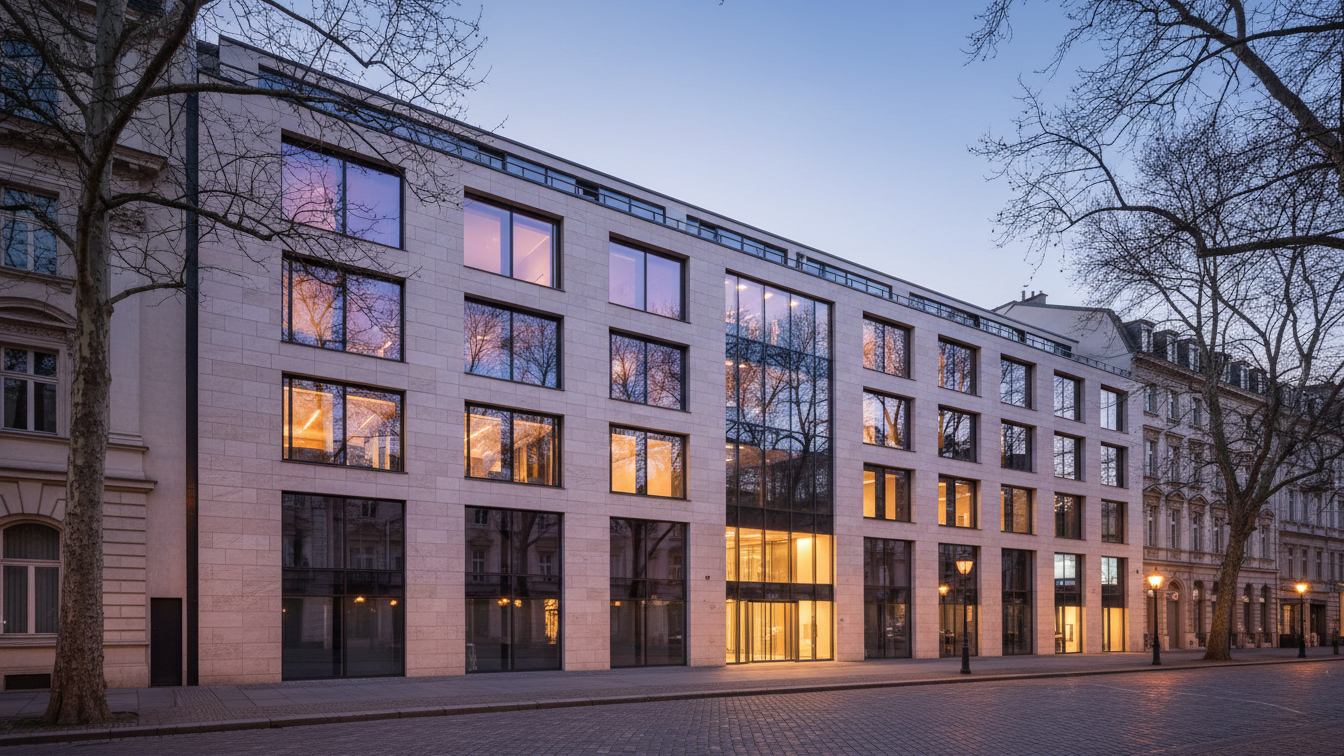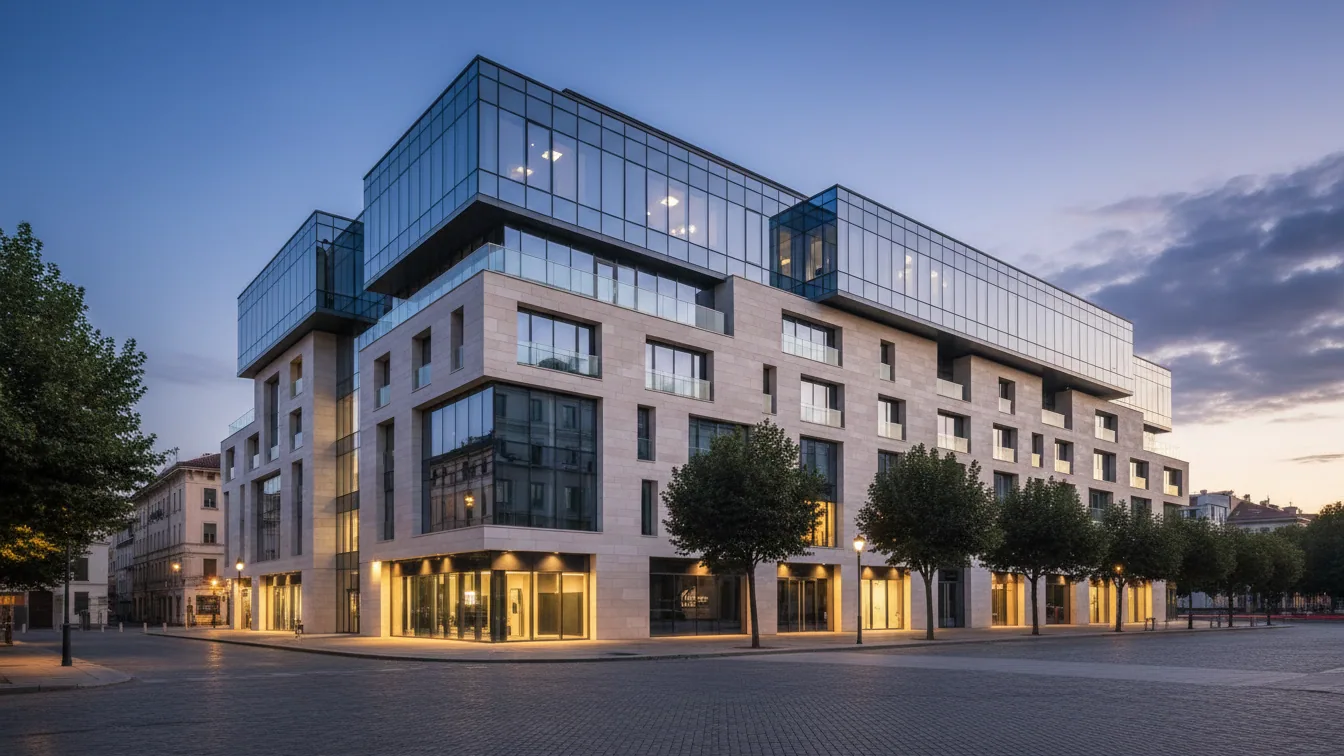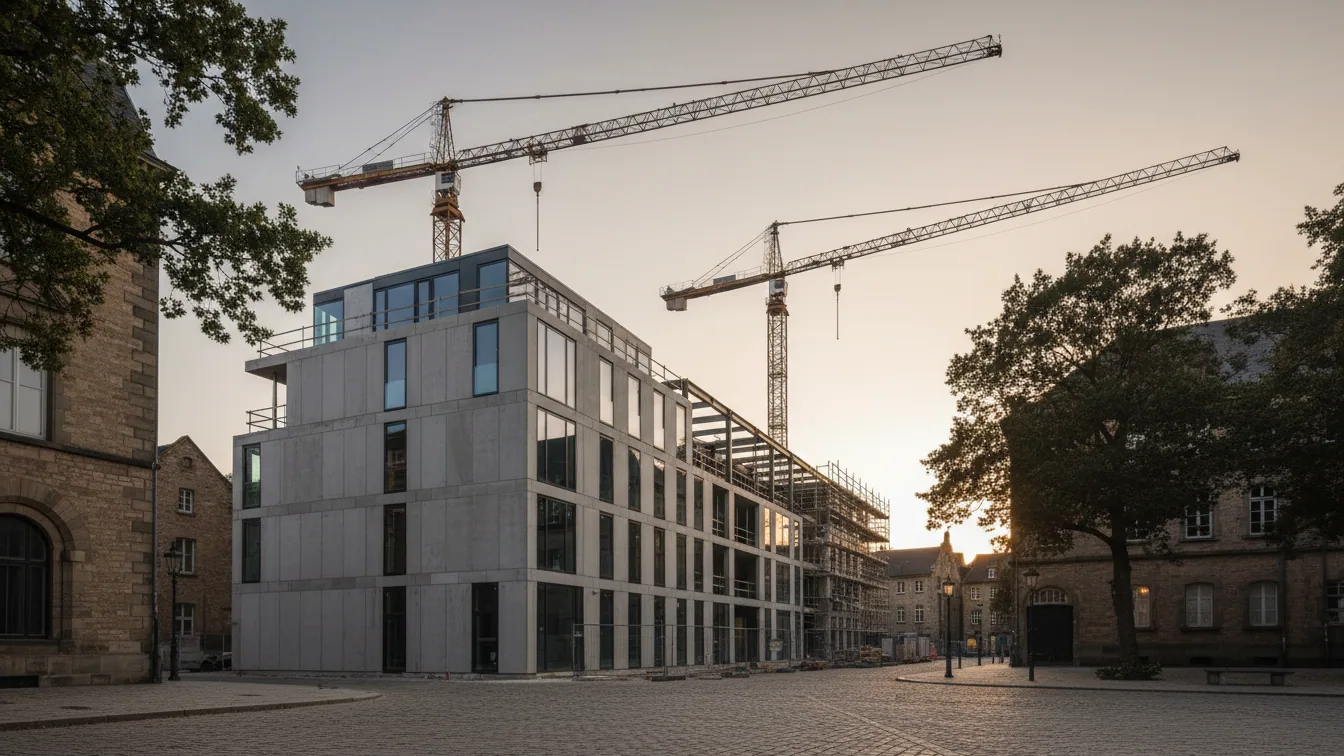
Colliers and European Science Park Group AG (ESPG) have published an updated market analysis on the German life science real estate market. The study, which builds on a first edition from 2023, highlights the key developments of the past three years. It was based on evaluations of the Colliers Research database, ESPG's expertise, as well as scientific analyses and expert interviews.
In the first half of 2026, the transaction volume in the life science real estate segment reached approximately EUR 112 million, thereby almost achieving the level of the entire year 2025. This indicates a noticeable market recovery, although the transaction volume has been at a lower level since the end of the pandemic-driven boom in 2022. Investors are consequently focusing more on high-quality core products within established clusters.
Focus on Quality and Regional Clusters
Within international competition, Munich, Berlin, and the Rhine-Neckar and Rhine-Main regions play a central role. Their strength lies in clearly defined micro-clusters where research institutions, companies, and specialised infrastructures are closely linked. Francesca Boucard, Head of Market Intelligence & Foresight Colliers Germany, pointed out that high technical requirements, a lack of standards, and limited market transparency can hinder market access for many investors. Simultaneously, this creates opportunities for players who understand the specifics of this asset class and can position themselves strategically.
Technological advancements, particularly the use of Artificial Intelligence, significantly influence the requirements for life science properties. The use of AI has increased considerably since the first study and is leading to changes in research, work, and utilisation processes. This reinforces the demand for flexible laboratory, office, and research spaces. Furthermore, demand is diversifying, as specialised service providers are increasingly taking over standardised process steps, making various laboratory and space concepts more relevant. Laboratory space, however, remains indispensable, as research continues to rely on specific physical infrastructures.
Resilience of the Segment
Despite initially high market entry barriers, the life science real estate market offers attractive investment opportunities. The specialisation of the segment, an excess demand for laboratory space, and limited supply lead to promising yield prospects. Long-term leases, a high degree of tenant retention, and low vacancy risks contribute to stable cash flows and a resilient risk profile. A fundamental factor is the lack of substitutability of laboratory space, as research and production processes generally rely on physical infrastructures and can only be partially relocated to flexible working models such as home offices. This, combined with a limited supply of space and stable demand, leads to a positive risk assessment from a financing perspective.
Ralf Nöcker, CEO of ESPG AG, stated that despite their autonomy, life science properties are still too often judged by office market standards. He emphasised that they represent an independent asset class within the real estate market, offering promising investment opportunities for both specialised investors and those seeking new growth and diversification opportunities.