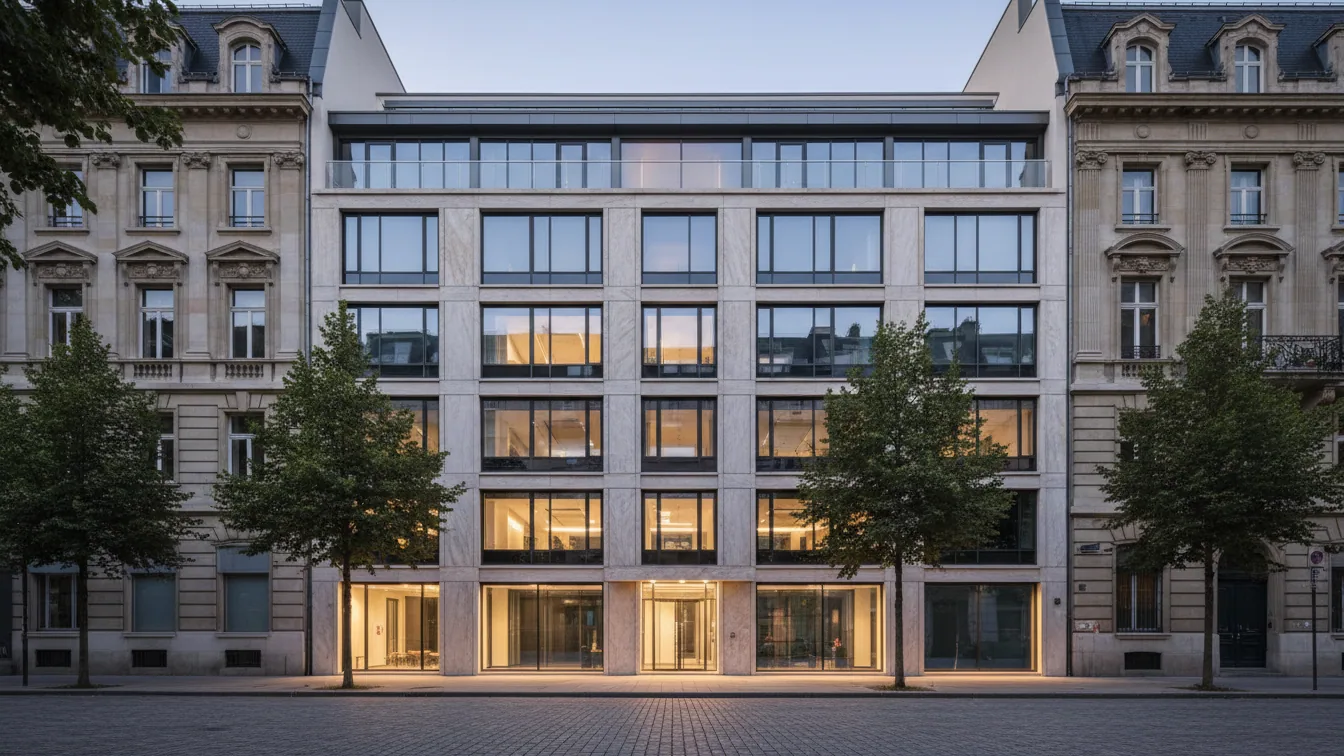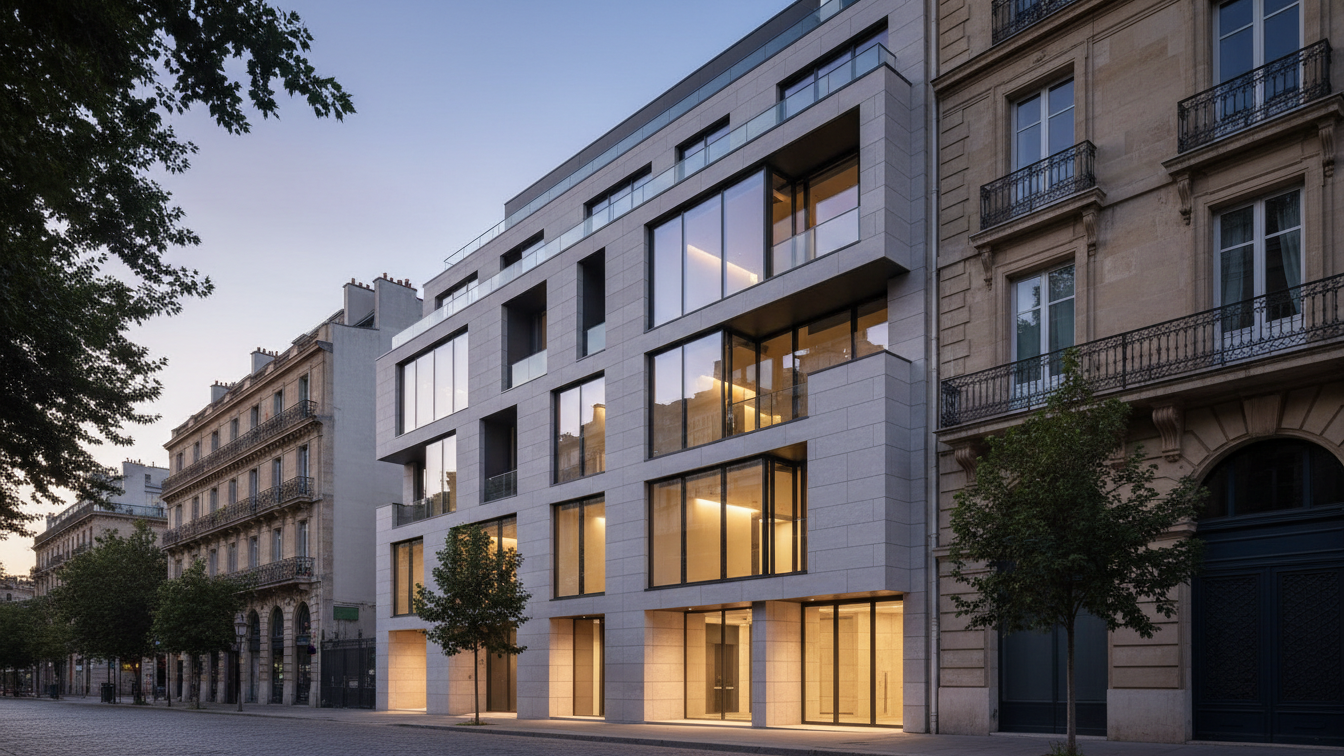
Kiumarz Geula, principal of real estate development firm Pillar Property Management, has submitted plans to the New York City Department of Buildings (DOB) for the construction of a seven-storey school building at 1000 University Avenue in the Highbridge neighbourhood of the Bronx. The submission was made on 5 August. This step underscores the continuous development of the education sector in New York City, particularly in areas with high demand.
The submitted plans, which currently contain limited details regarding the scope of work on the vacant lot in the Bronx, envisage the construction of a 64,366 square foot and 108-foot tall building. It is expected to include a cafeteria and recreational areas. Further specifications are not publicly available at this time. Geula did not immediately comment on an enquiry from Commercial Observer. Jonathan Imani of IMC Architecture, who is listed as the architect of record for the project, also provided no immediate statement.
Increasing Investment in Educational Facilities
Pillar Property Management is not the only developer looking to bring new school buildings to the Bronx. As early as June, Apex Development Group and Knickpoint Ventures secured a debt package of 60 million US dollars. This capital is intended for the acquisition and construction of a charter school at 1780 East Tremont Avenue. The financing for this transaction was arranged by James Murad of Ripco Real Estate.
Murad commented at the time that the project reflects the growing demand for high-quality educational facilities in underserved communities, as well as the continued attractiveness of real estate investments with a social mission. This development points to a broader trend where private investors are increasingly investing in social infrastructure projects to achieve both financial and social objectives.
Demand and Impact
The planned construction projects are a direct response to the ongoing demand for modern educational facilities in the Bronx. Districts such as Highbridge are experiencing steady population growth, which necessitates a corresponding expansion of school infrastructure. Such projects can not only improve the educational landscape but also have positive socio-economic effects for local communities by creating jobs and enhancing the quality of life.