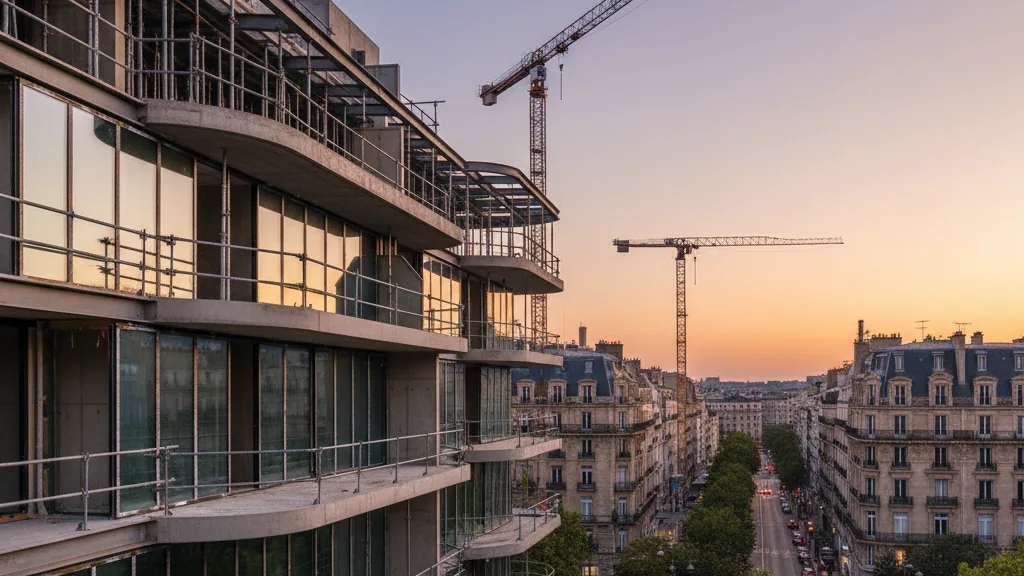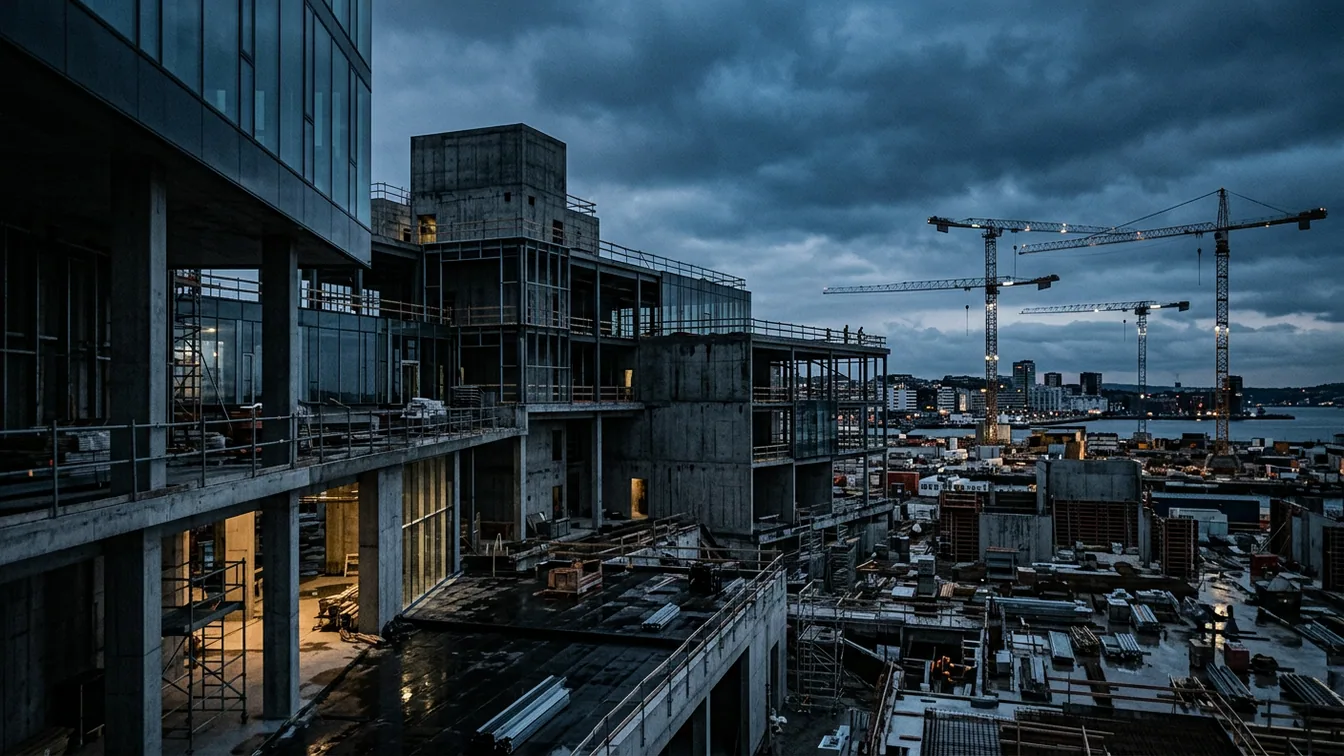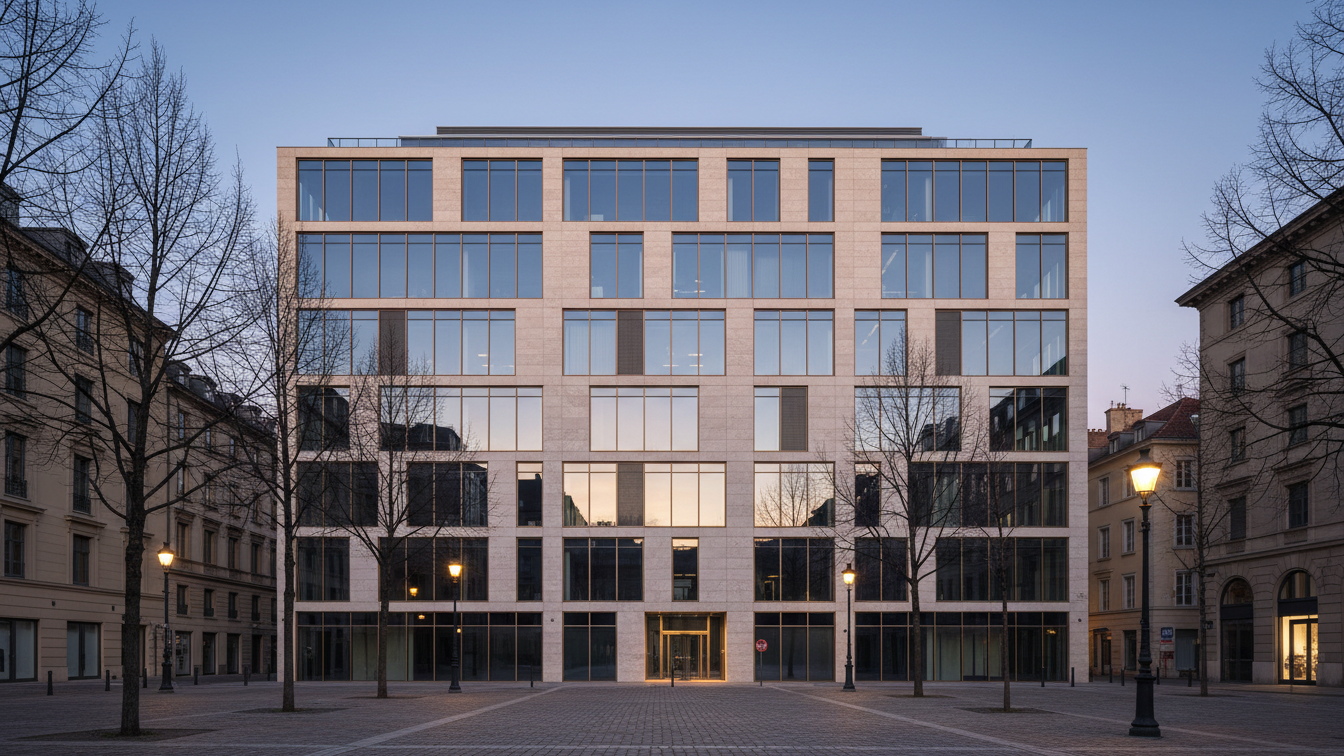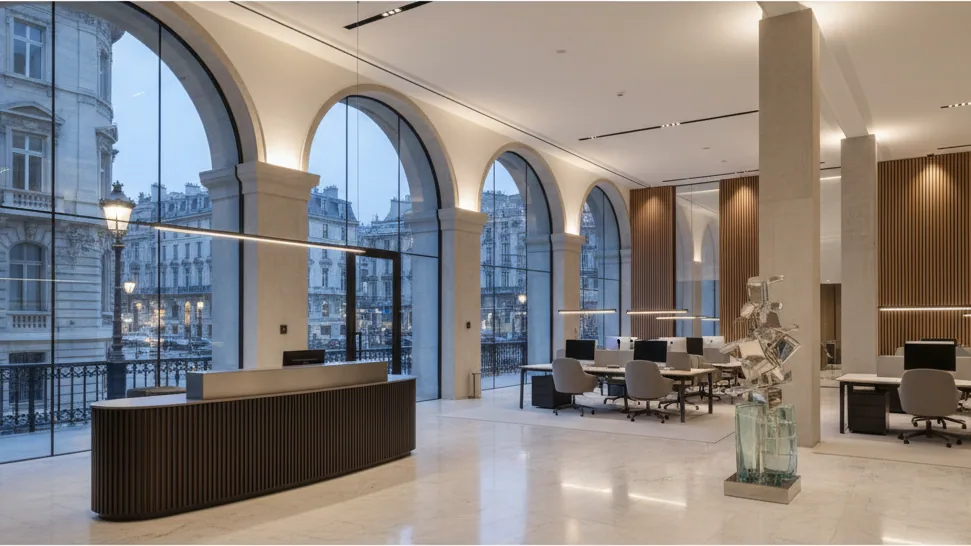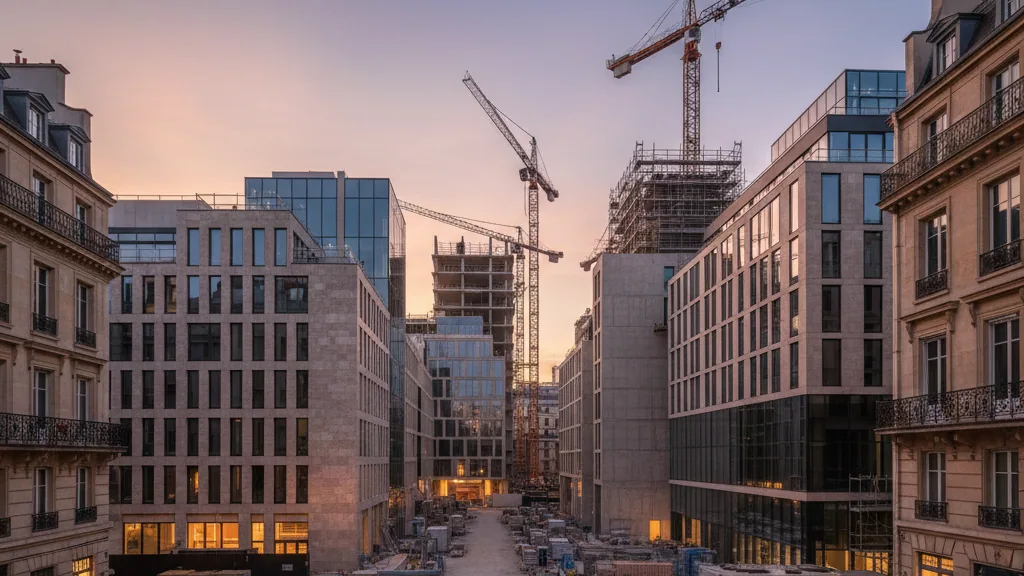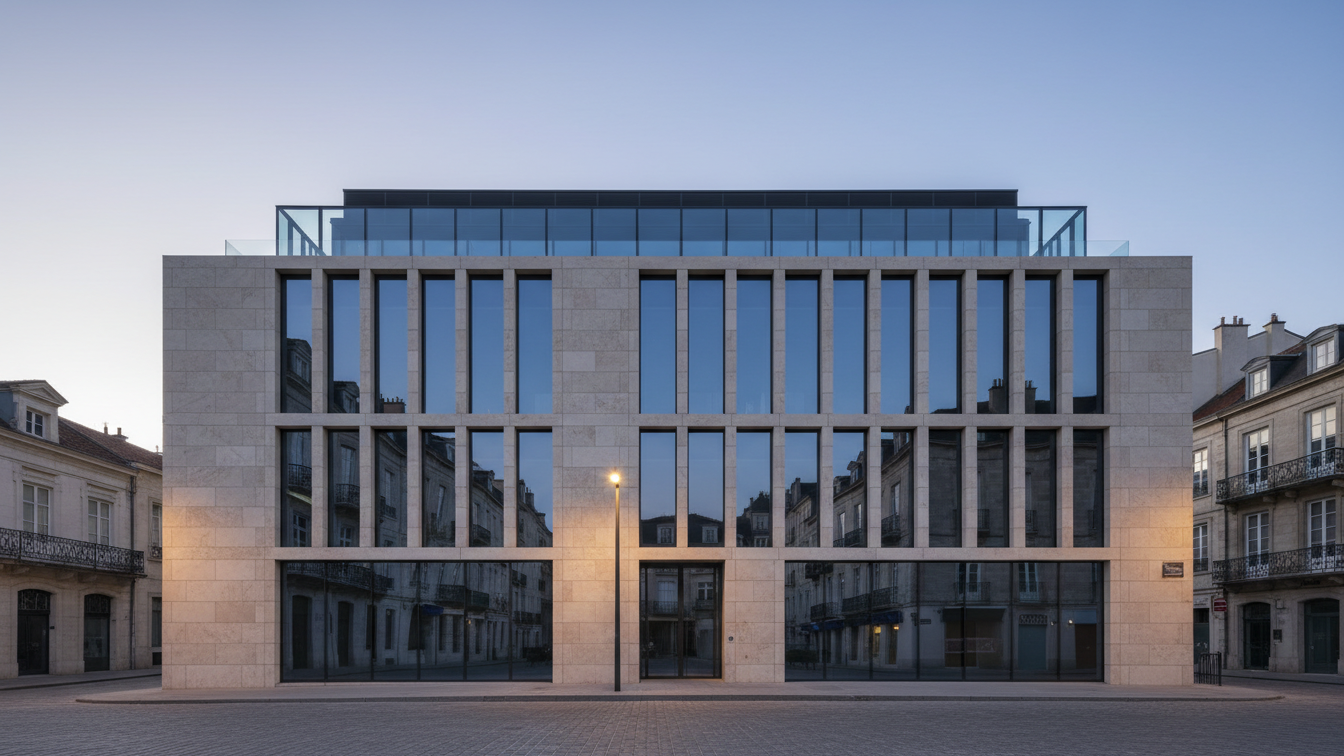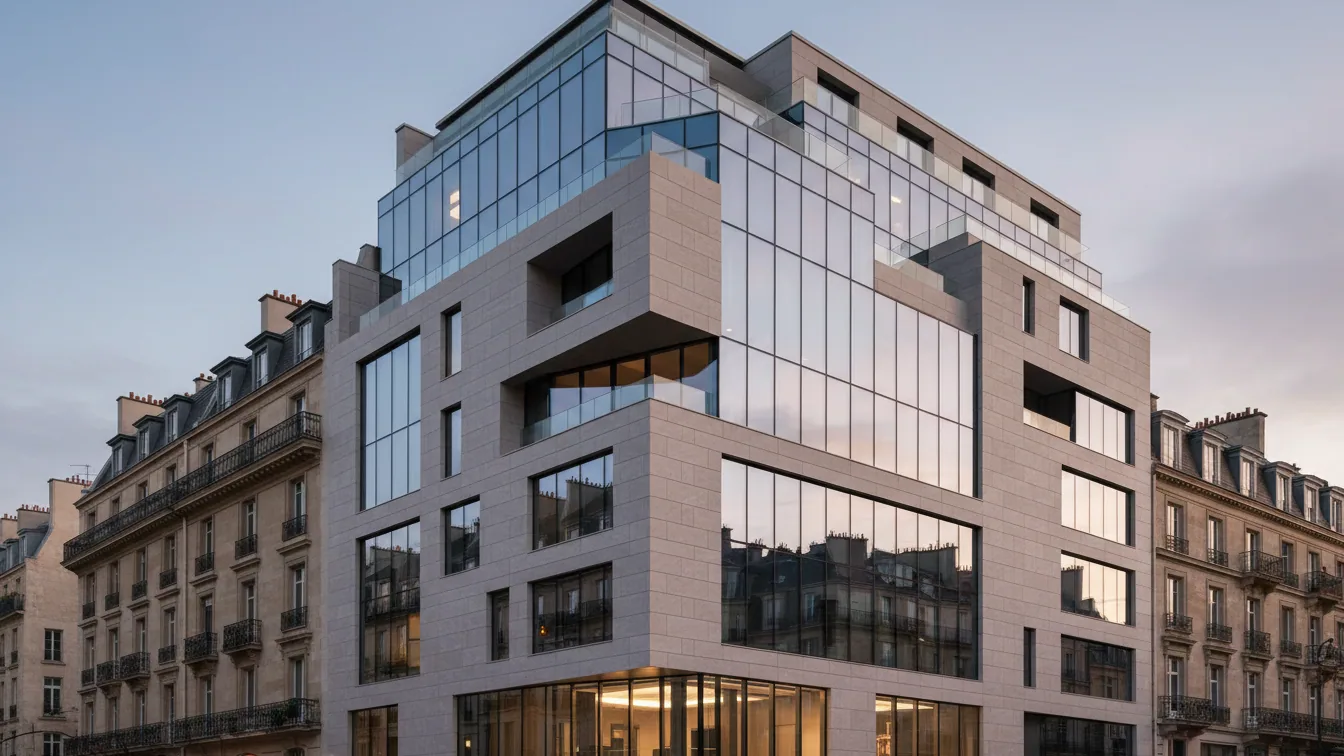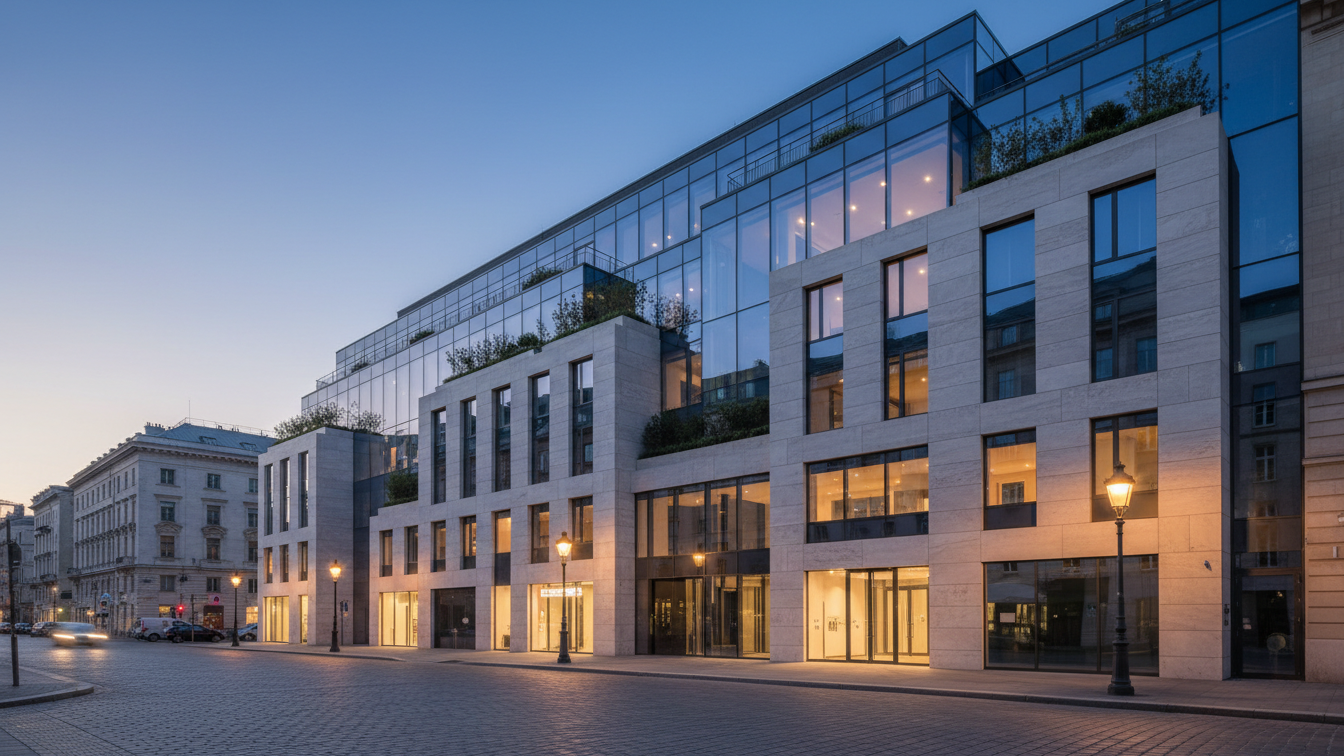
The real estate industry is intensely addressing the question of how the transformation of the existing building stock can be significantly accelerated. Central to these discussions is the identification of solutions already working in practice, as well as the necessary framework conditions for planners, developers, and construction companies.
The necessity to modernise the building stock and adapt it to current requirements represents a key challenge. This not only concerns energy-efficient refurbishments but also adaptation to changing usage needs and technological developments. The complexity of these tasks demands a multidisciplinary approach that involves all stakeholders from initial planning to execution.
Requirements for Stakeholders
For a successful transformation of the building stock, specific competencies and close cooperation among the involved stakeholders are essential. Planners are required to develop innovative yet feasible concepts that address both economic and ecological aspects. Developers bear the responsibility for the strategic direction of projects and the provision of necessary resources. The executing construction companies must be able to implement complex refurbishment and conversion projects efficiently and to a high standard of quality, often considering ongoing operations or specific heritage protection requirements.
The integration of new technologies, digital planning tools, and sustainable materials plays an increasingly important role in this context. Fostering knowledge transfer and the exchange of best practices among various stakeholders are crucial for effectively shaping the transformation process. It is evident that bespoke concepts, tailored to the specific circumstances of each property, rather than blanket solutions, promise the greatest success.
Considering current projects and case studies allows for learning from concrete experiences and identifying promising strategies. Dialogue between research, politics, and industry is indispensable for continuously optimising framework conditions and removing barriers. The real estate sector strives not only to describe problems but also to proactively contribute to the development and implementation of solutions for a sustainable building landscape.