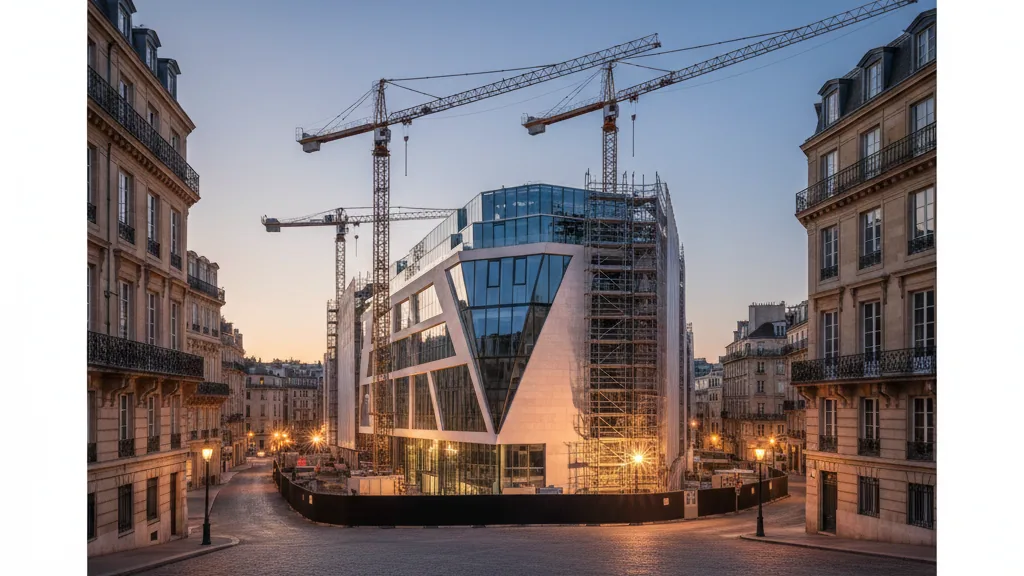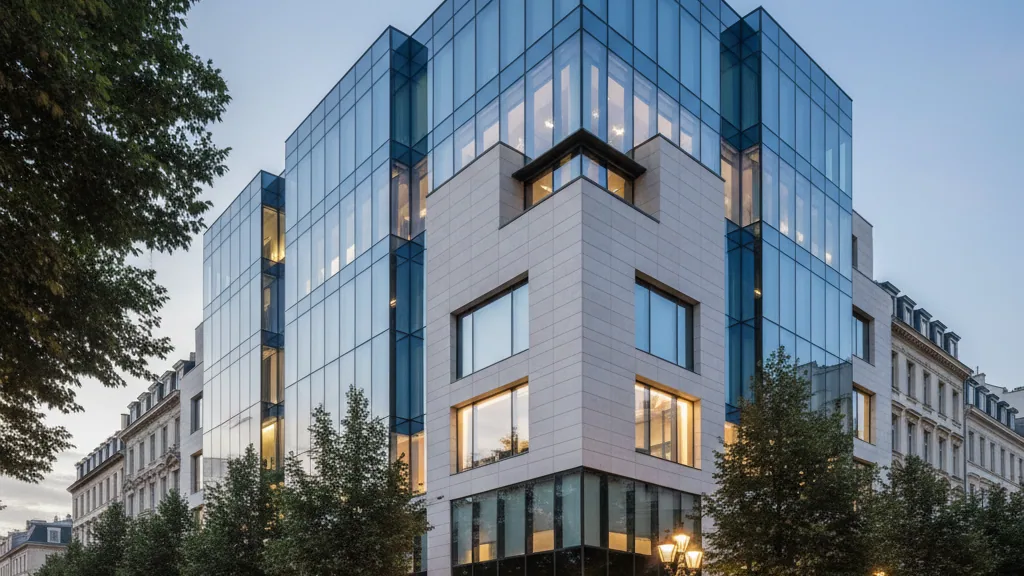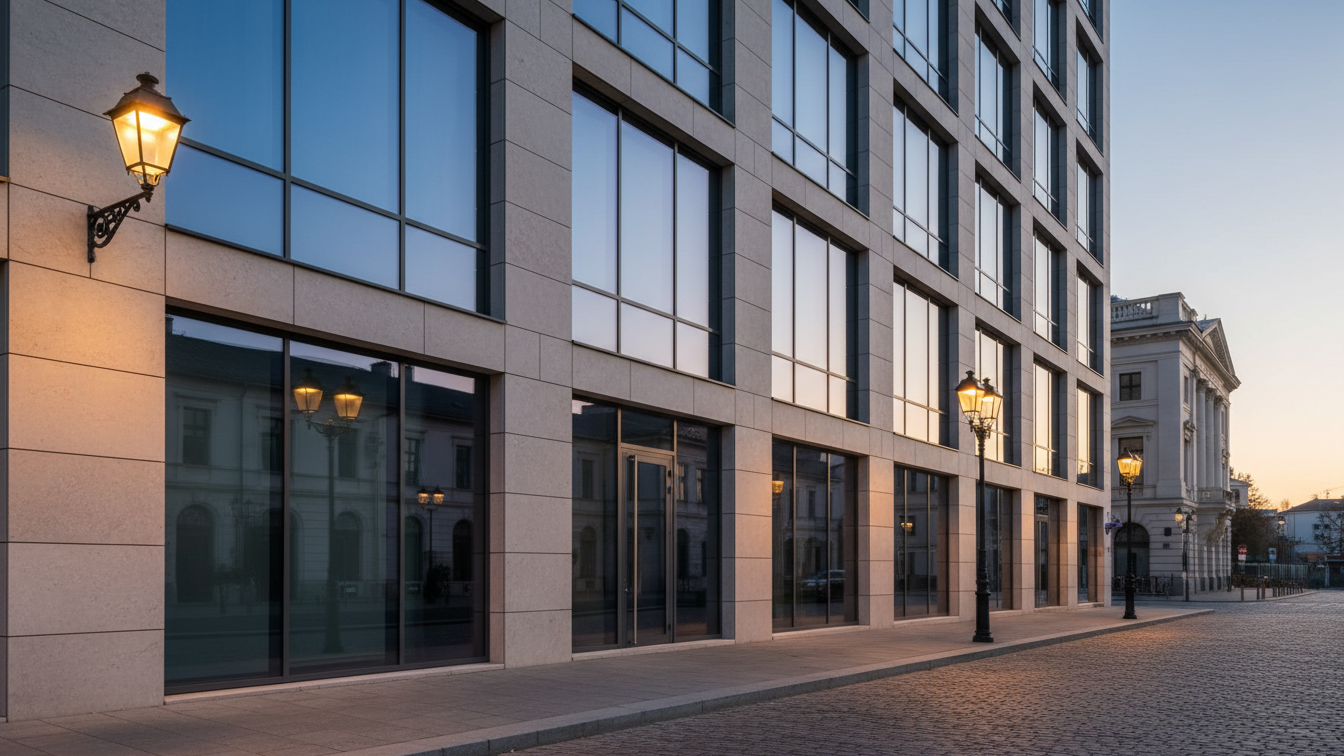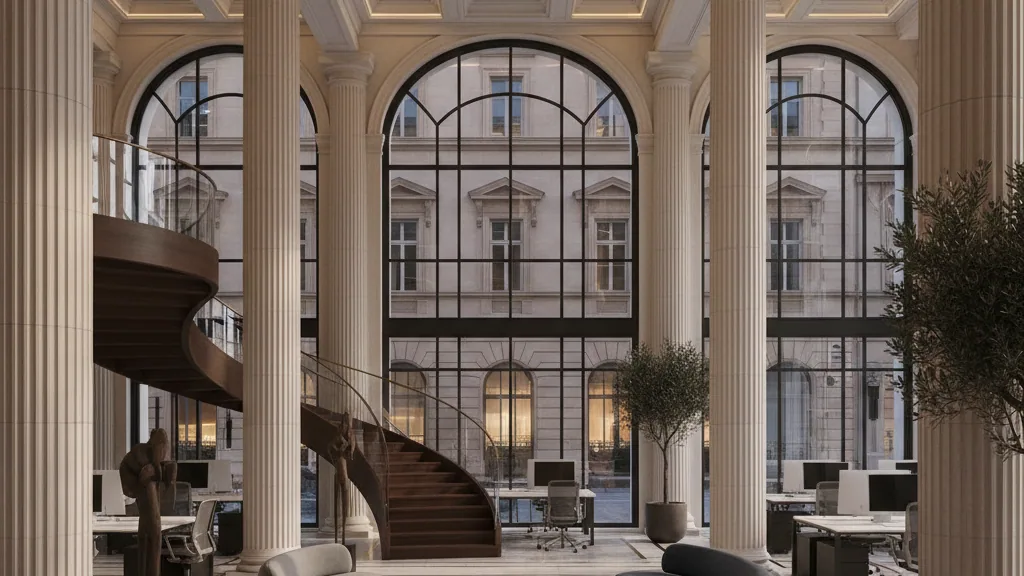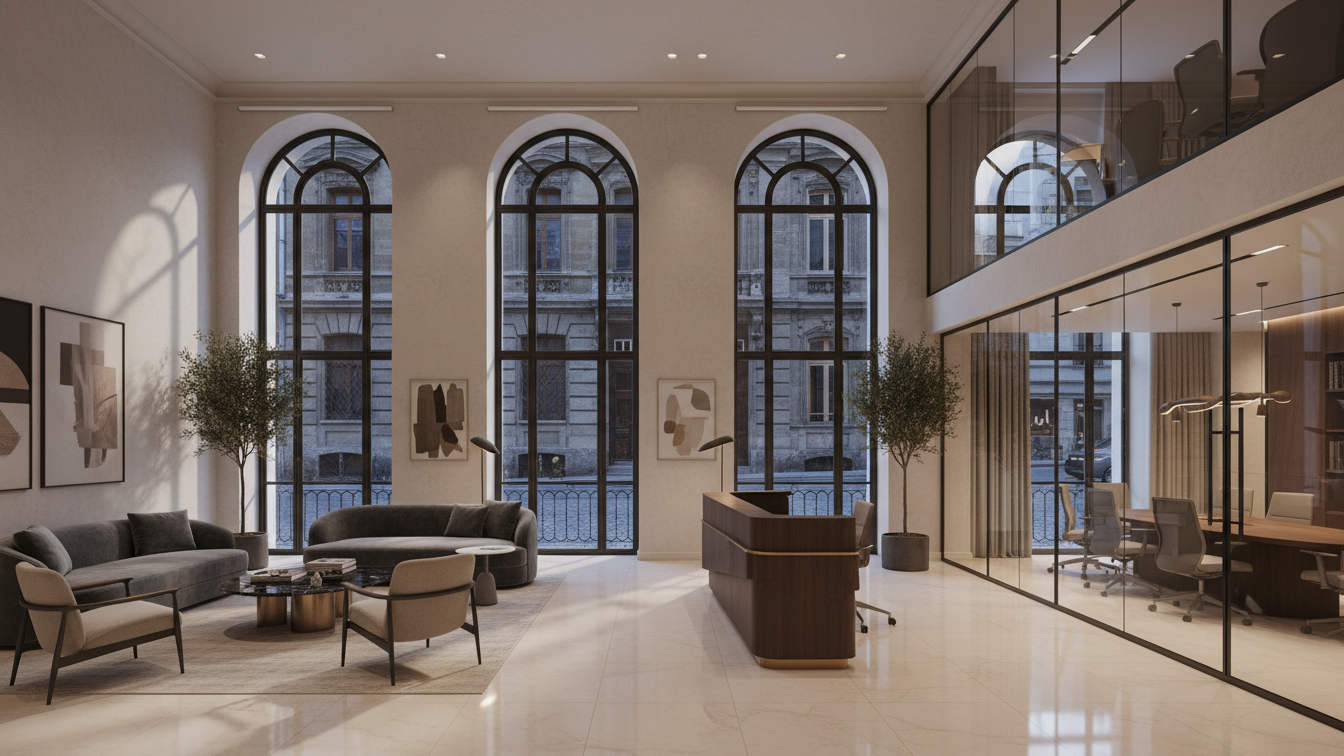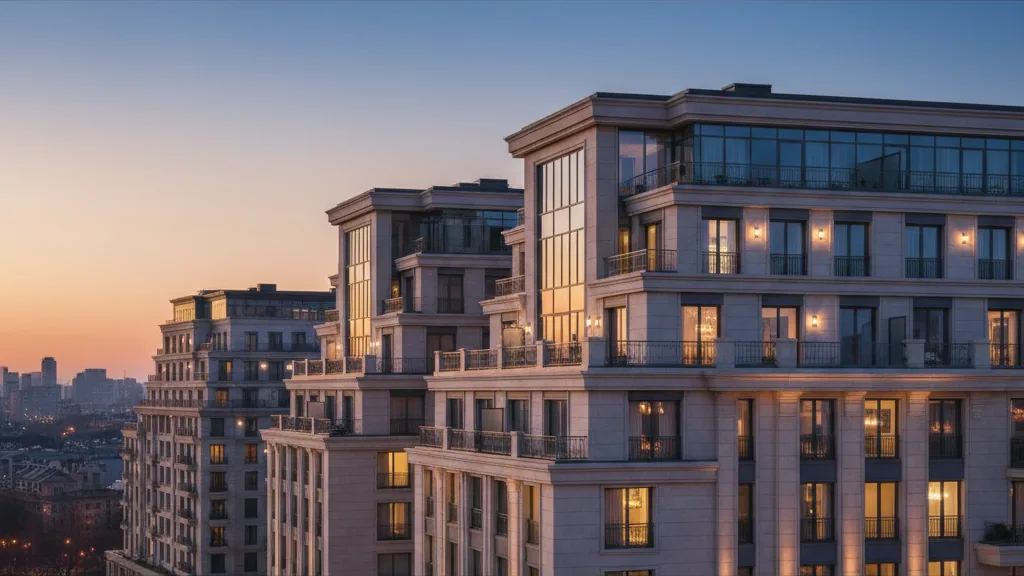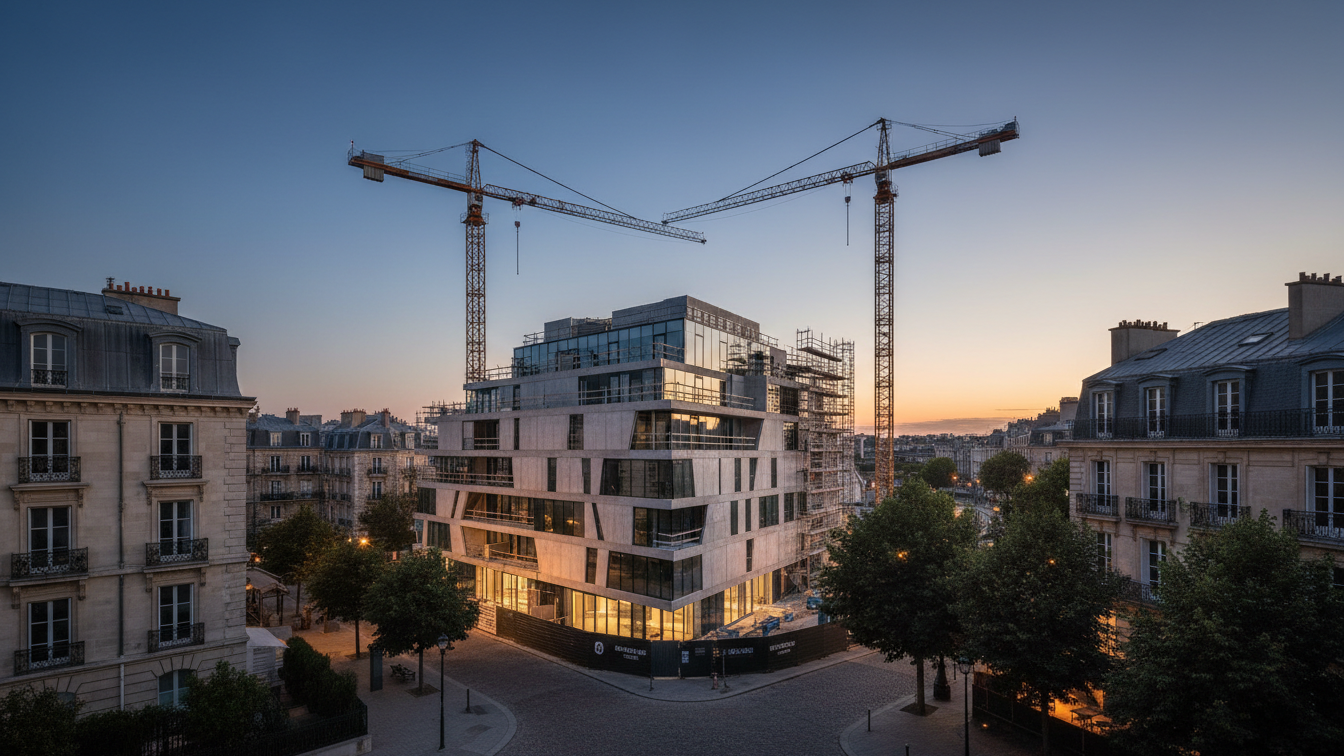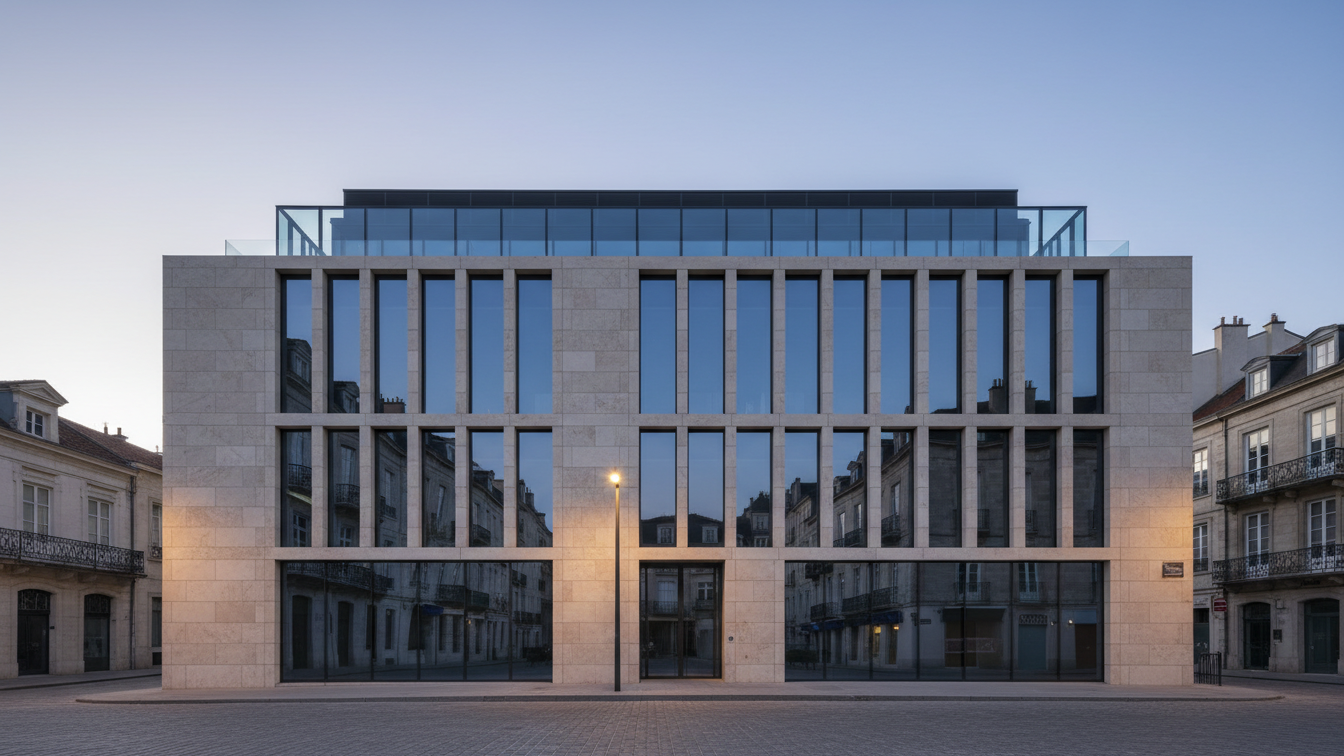
A new building project for young apprentices in Heinrich-Heine-Straße, Berlin-Mitte, has reached a significant milestone. In May, the first residents moved into the new premises, followed by the official opening of the building. This project was realised on behalf of the umbrella organisation Kolping Jugendwohnen e. V. by the architectural firm DMSW. It comprises around 100 single rooms, generous communal areas, and offices for the necessary educational support.
The project creates a central location at the intersection of Heinrich-Heine-Straße and Dresdener Straße, connecting affordable accommodation, community life, and socio-educational guidance in the capital city. The six-storey new build extends over a gross floor area of more than 4,500 square metres. Its angled form integrates with the corner plot and completes the inner-city, street-side block development.
Amenities and Concept
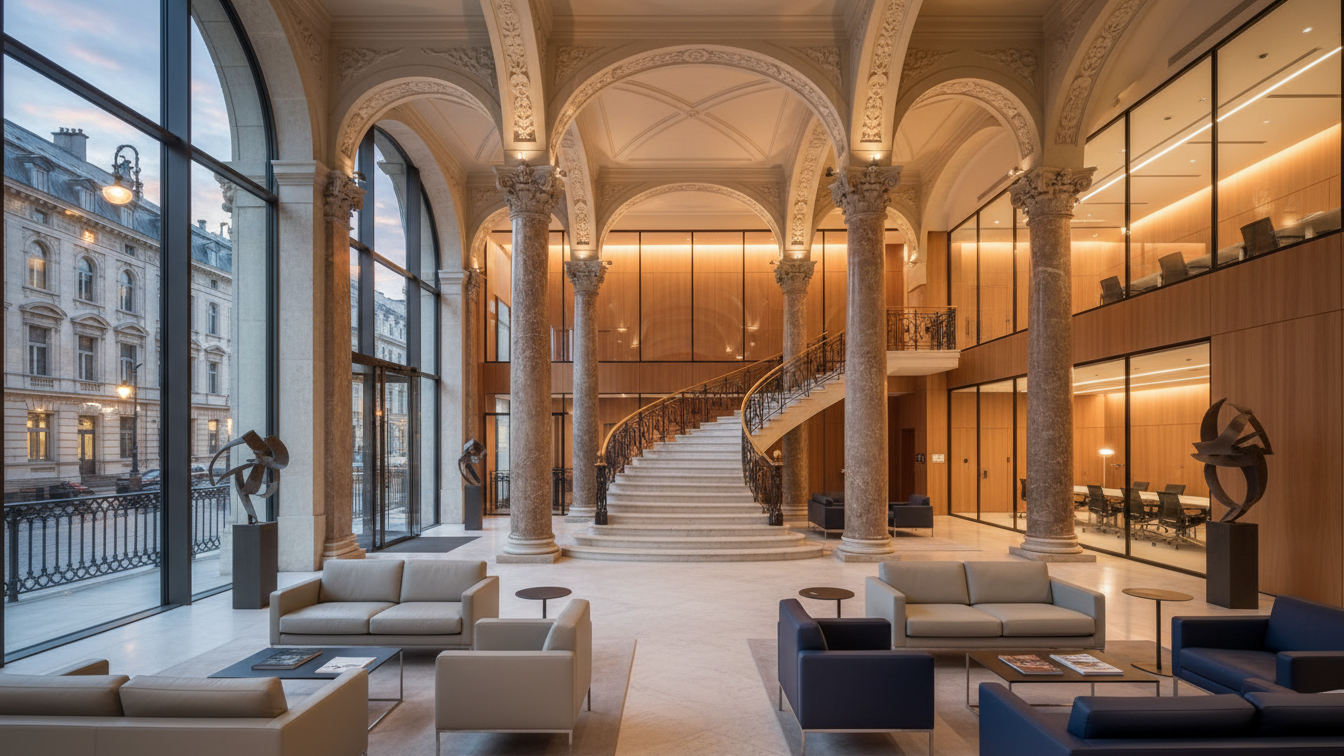
The residential offering for apprentices is complemented by extensive infrastructure. This includes large communal kitchens, various learning and common rooms, and accessible accommodation options. Diverse areas are designed for gatherings, exchange, and shared learning and living. Julia Dahlhaus, architect and Managing Director of DMSW, explained the guiding principle of the project, which states that architecture should not only create affordable housing but also foster encounter and community. This is understood as a societal tool, and the building as a contribution to social cohesion.
- —The ground floor houses communal areas, administrative sections, and an outdoor space with fitness facilities.
- —The residential floors are equipped with eat-in kitchens, which serve as central meeting points to promote togetherness.
- —Each residential unit has its own bathroom.
- —The setback storey accommodates seminar rooms, a common room, and a spacious roof terrace.
Energy Efficiency and Funding
During the planning of the new building, attention was paid to energy-efficient construction. The building was completed as a KfW-55 energy-efficient house. Integral components of the concept include solar thermal systems on the roofs, an innovative heating system, and the use of greywater for environmentally friendly energy generation and resource conservation. Henrik Beer, Managing Director of Kolping Jugendwohnen Berlin-Mitte gGmbH, emphasised that the new building represents a housing offer specifically tailored to the needs of apprentices. This is relevant given the scarcity of housing, to facilitate young people's entry into training and professional life.
Over the years, the project received broad support through fundraising campaigns, events, and personal initiatives, particularly from the Kolping family. This commitment enabled the realisation of the project, which now offers young people prospects in Berlin.