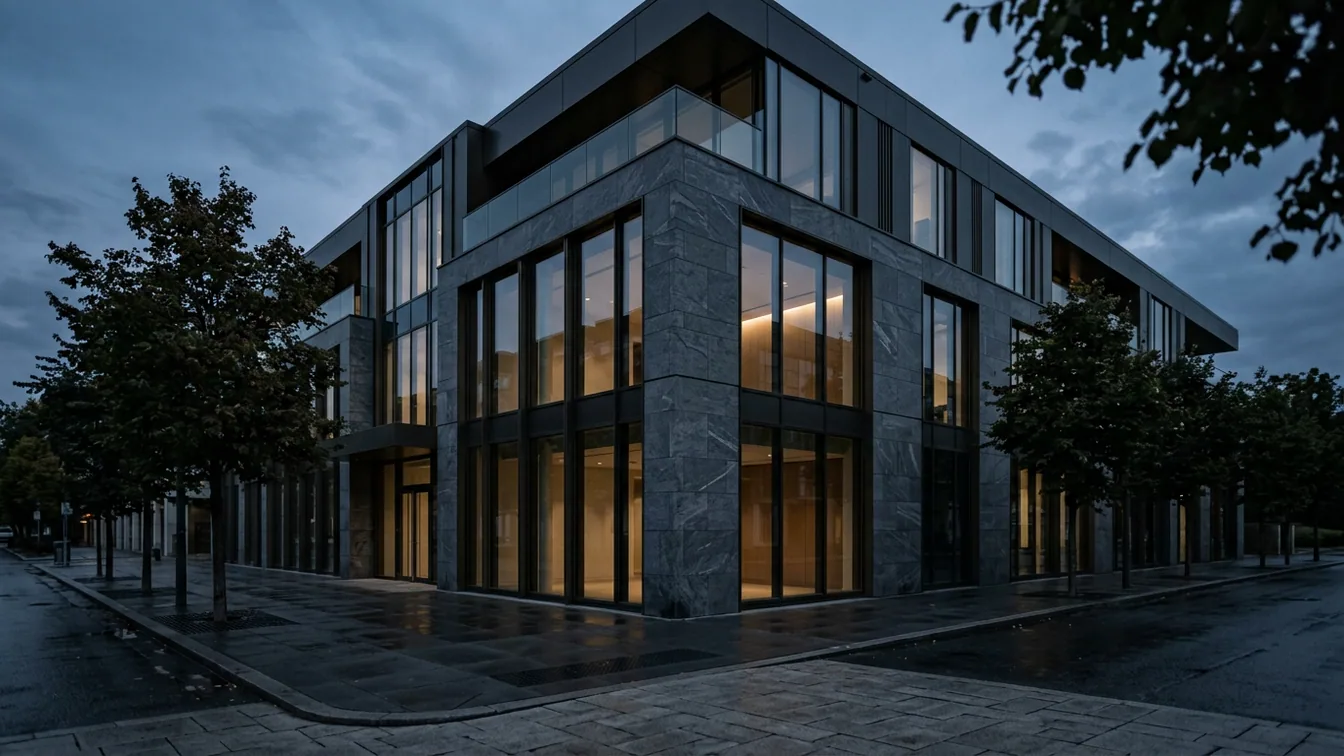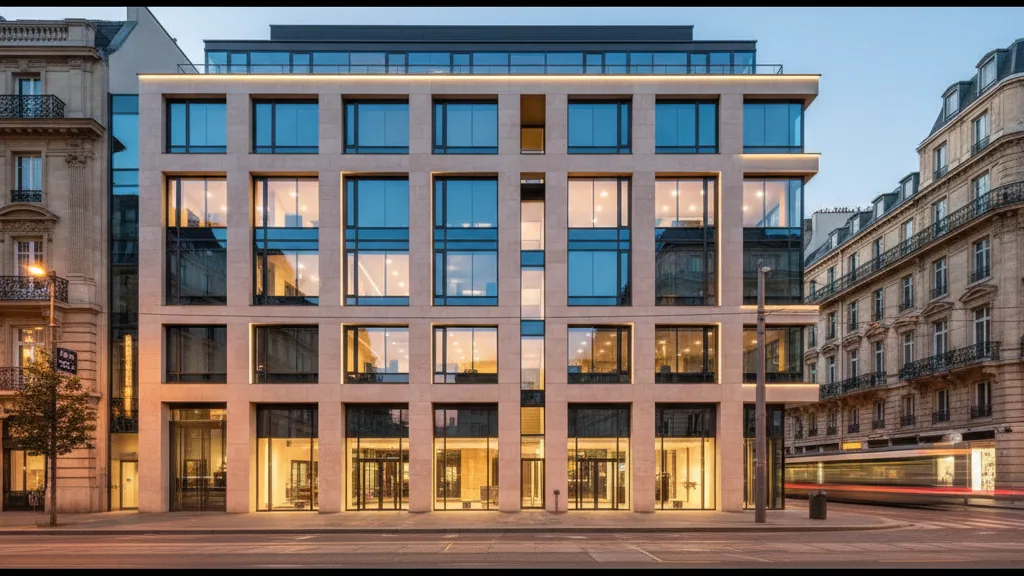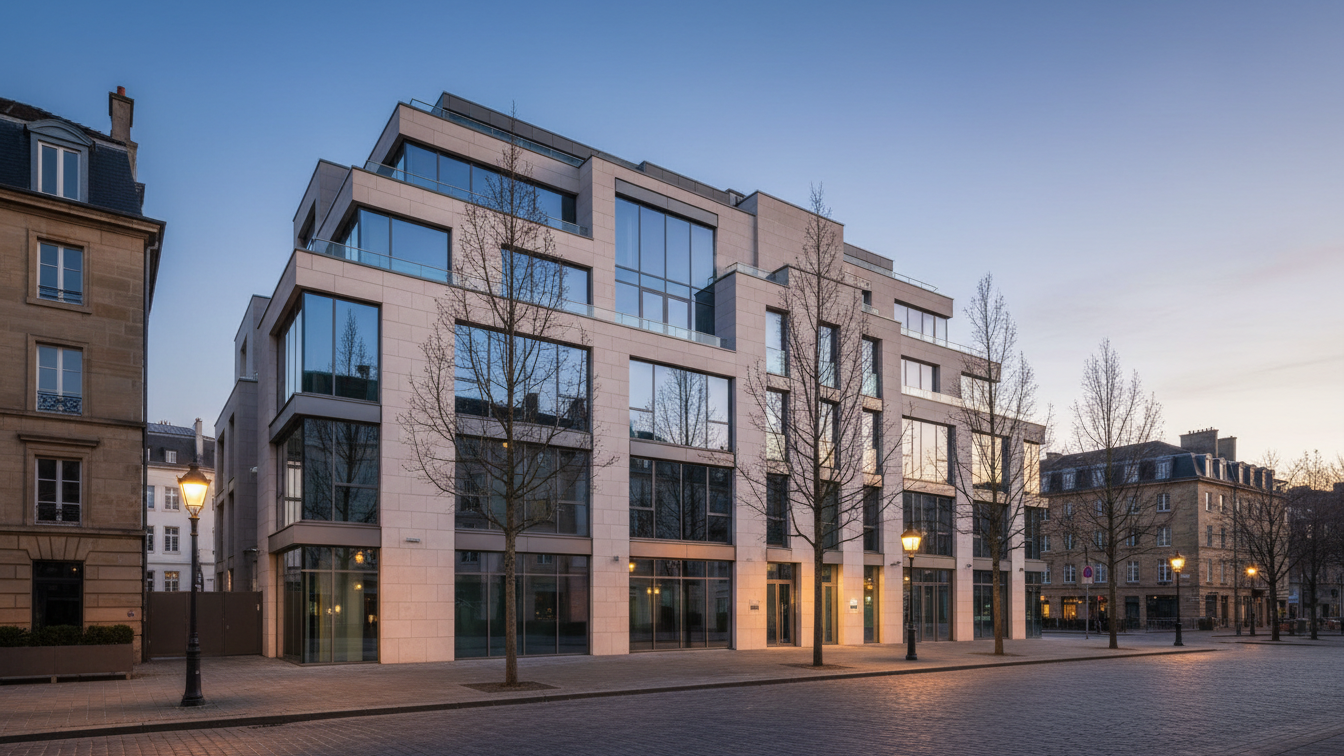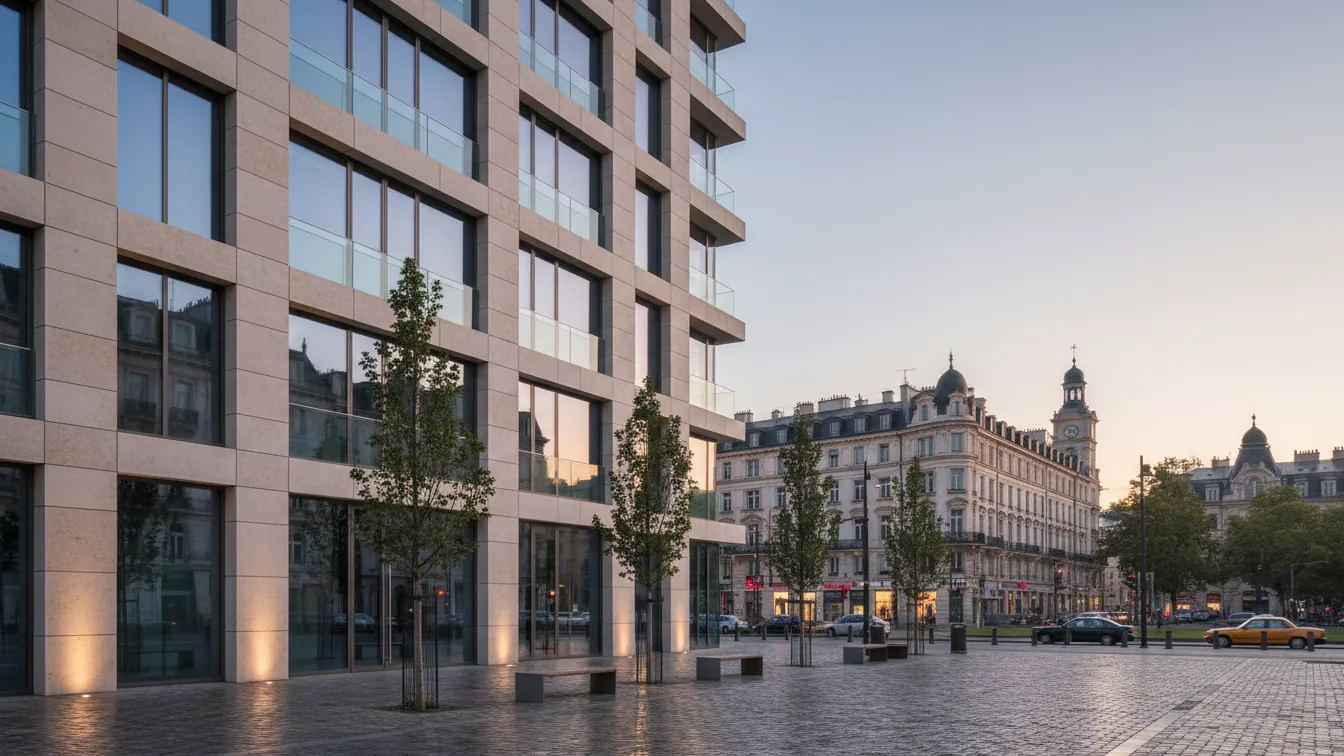
EXPO REAL 2026 presented a clear picture of the current real estate industry. Despite high visitor numbers with over 42,000 participants from 74 countries and 1,777 exhibitors, the transaction market remained subdued. Factors such as increased financing and construction costs, as well as regulatory requirements, continue to influence the development of many projects. The fair signalled less a new beginning and more an acceptance of altered market conditions. Discussions openly addressed value corrections, refinancing pressure, and challenging letting situations, which can be interpreted as a step towards robust decision-making, as problems are no longer viewed as temporary disruptions.
Many market participants have adapted to the new framework conditions. A sober expectation has replaced previous uncertainty, making the market more predictable, but not yet indicating a turnaround. Although more projects are being evaluated again, and international investors are showing increased interest in Germany, there remains a significant discrepancy between general interest and the realisation of viable transactions. The challenge lies in successfully aligning financing, valuation, and usage concepts. The market is not waiting for old conditions to return, but has not yet found a new consensus either.
Quality is Decisive in the Office Segment
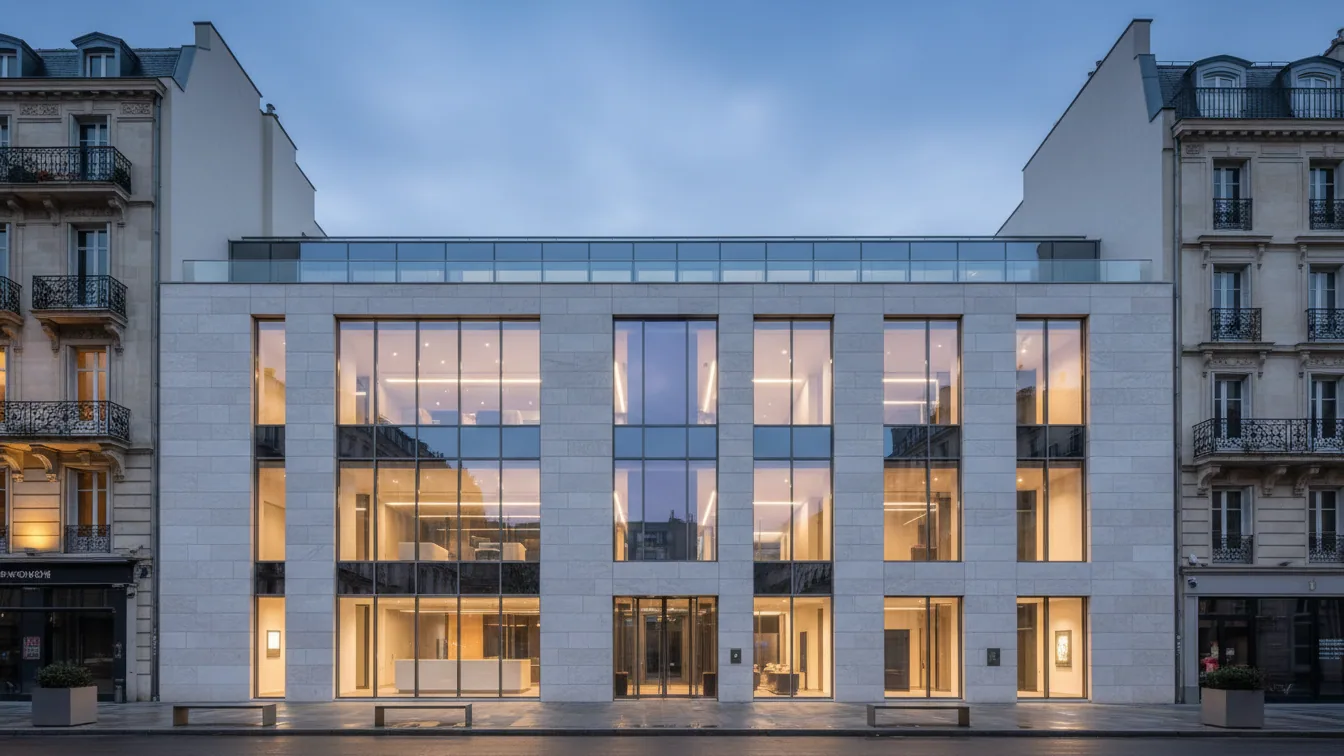
The selectivity of the market is particularly evident in the office segment. Modern, flexible spaces with good transport links retain their attractiveness. At the same time, older buildings with energy refurbishment needs, inflexible floor plans, or outdated positioning are coming under pressure. A blanket diagnosis of a general office crisis is too simplistic here. It is not the office as a type of use that is losing importance, but primarily properties that lack an excellent location, quality, or clear development potential. Blanket solutions are not effective here. Neither superficial adjustments nor consistently comprehensive refurbishments are the answer.
Measures must be consistently derived from the property itself, its location, and the requirements of its users. This can range from targeted technical upgrades and more flexible space concepts and new positioning to alternative usage concepts. Delaying this analysis not only leads to a loss of time but also reduces the scope for action.
Recognising Potential in Existing Stock
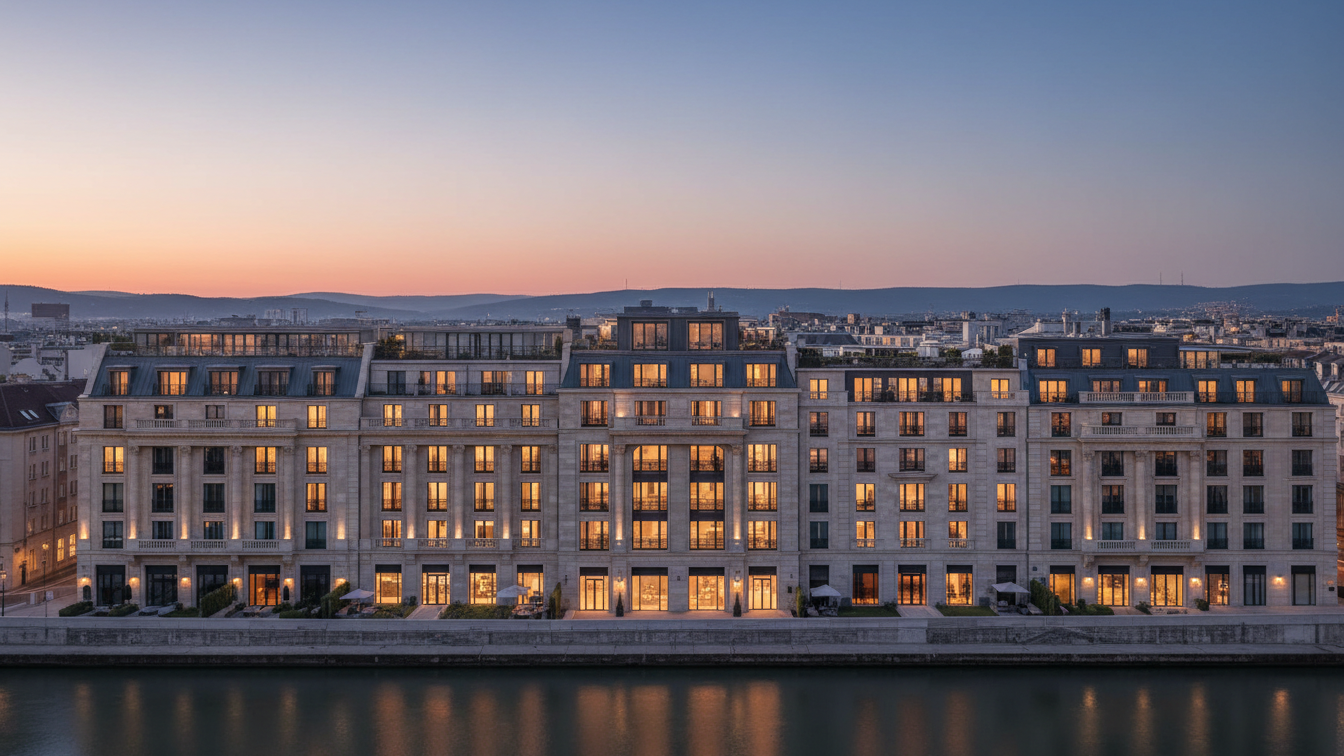
Older existing buildings should not be prematurely written off as so-called stranded assets. The decline in new construction activity could lead to a shortage of high-quality and well-located spaces in the future. High construction costs and limited land availability could improve the economic prospects of suitable existing properties. It is not age, but the adaptability of a property that is crucial. A technically or energetically outdated building can become competitive again, provided the location, substance, and usage potential are right. This requires an honest appraisal and a clear investment path. It is possible that in a few years' time, both the future scarcity of excellent properties and the potential of existing buildings, which are currently too quickly deemed problematic, will have been underestimated.
The changed market environment requires a realignment of asset management. A closer link between valuation, technical development, letting, and usage concept is essential. Active asset management begins with a deep understanding of the specific building and its users, considers future requirements, and the economic viability at the respective location. This leads to tailor-made solutions instead of standardised measures. Early recognition of developments and the derivation of concrete decisions are important. This includes identifying meaningful investments, creating more flexible spaces, adapting the tenant mix, or fundamentally redesigning the use. Forward-looking asset management acts proactively to align properties with changing requirements, rather than merely reacting to vacancies or loss of value.
EXPO REAL 2026 confirmed the fundamental availability of capital and investment interest. At the same time, it highlighted increased selectivity in its deployment. A good location alone, a prestigious name, or a successful history are no longer a guarantee for future viability. The market is not at a standstill, but in a state of reorganisation. For owners and asset managers, this results in the task of making decisions about which properties can impress under the new conditions. The coming upturn will not consider every building equally.