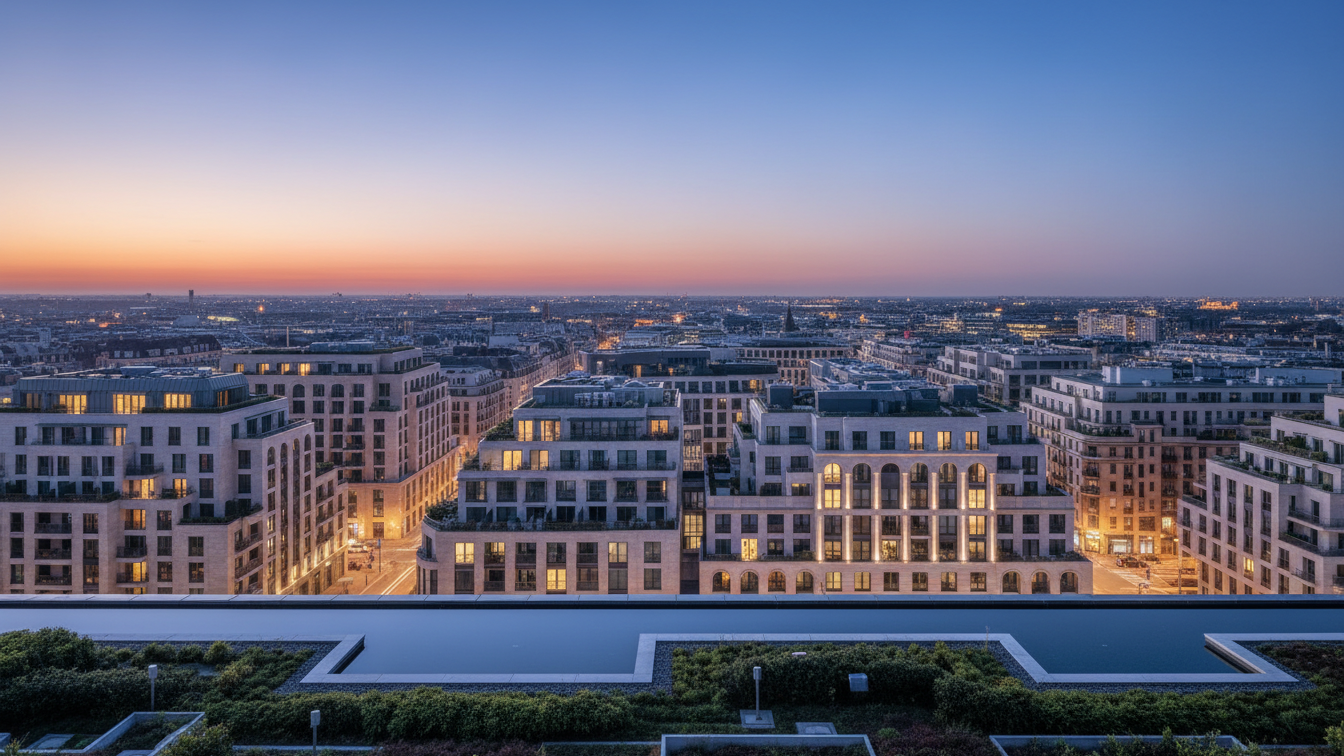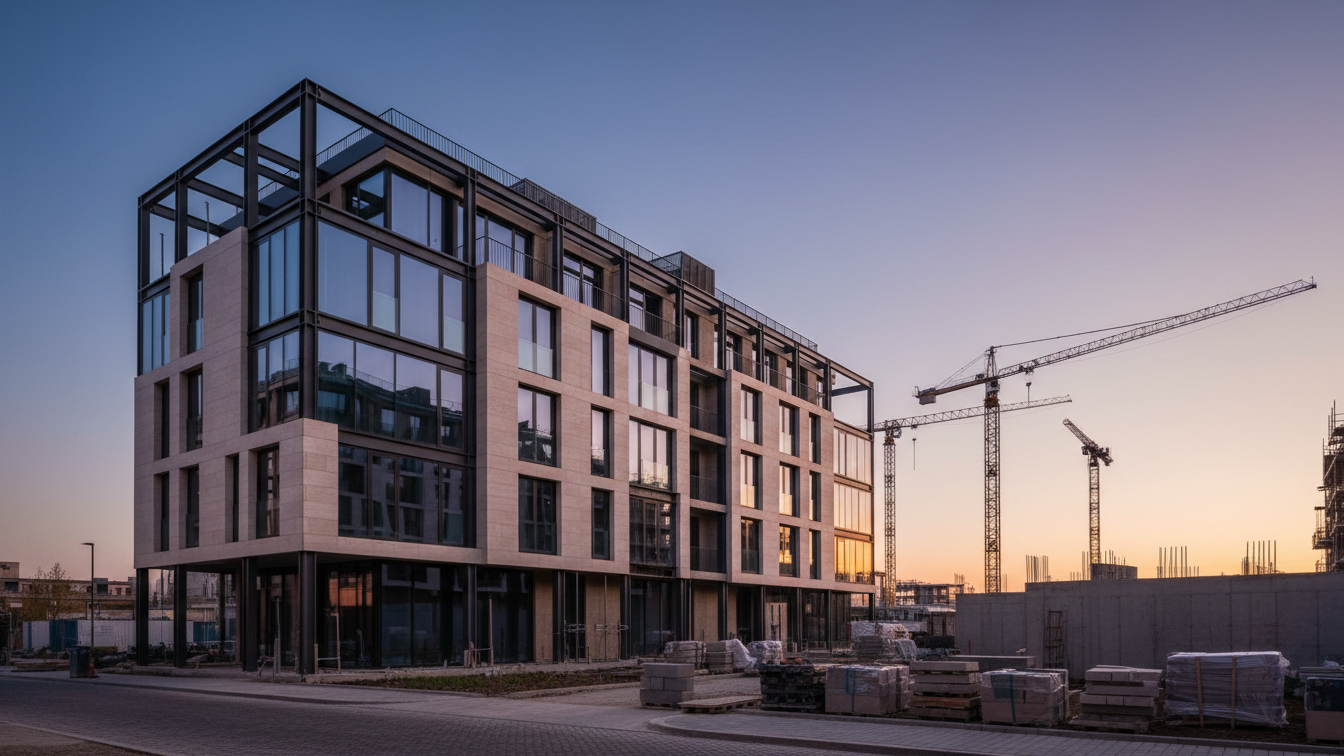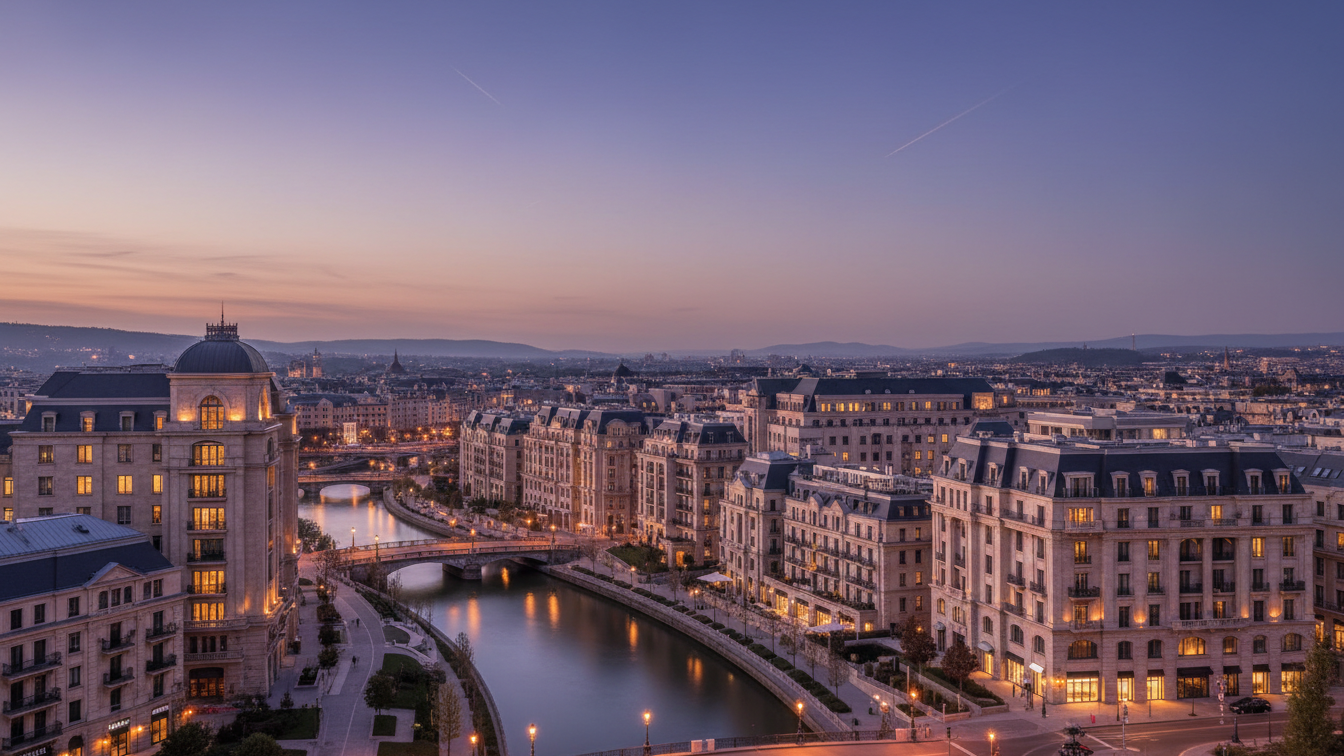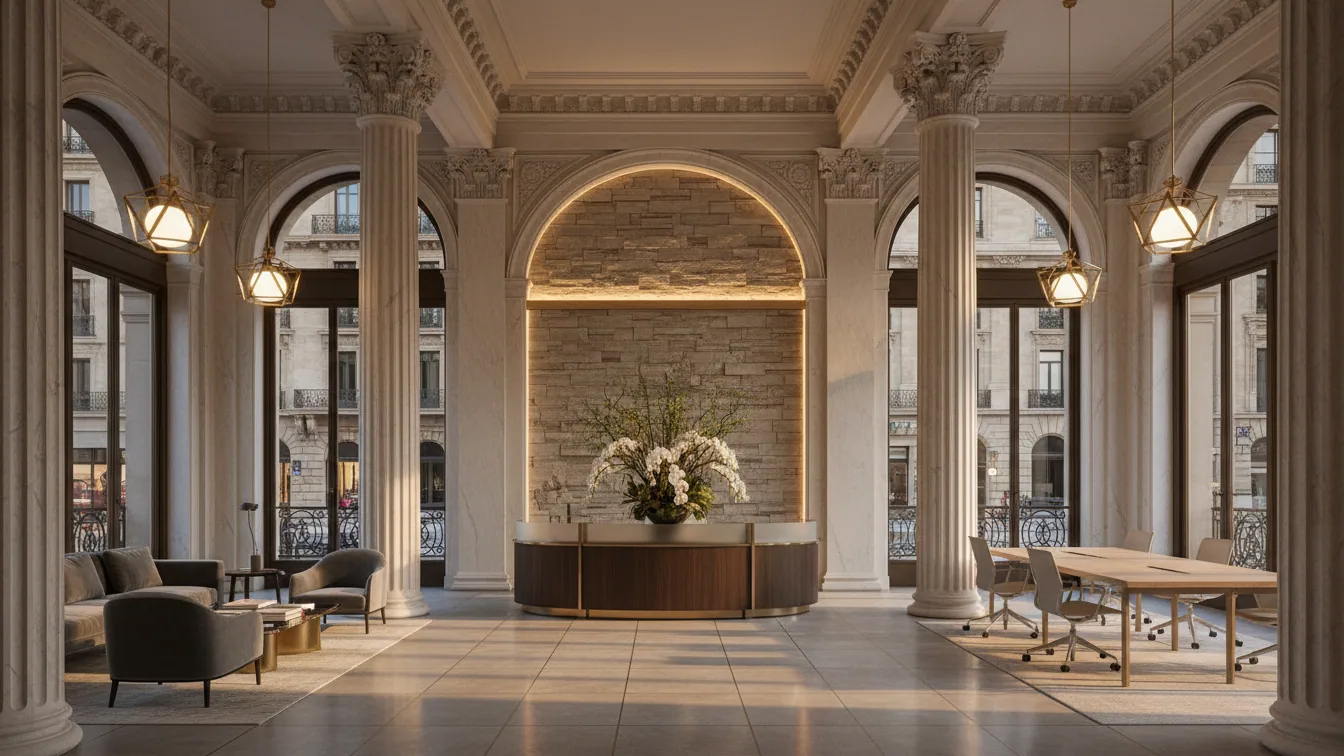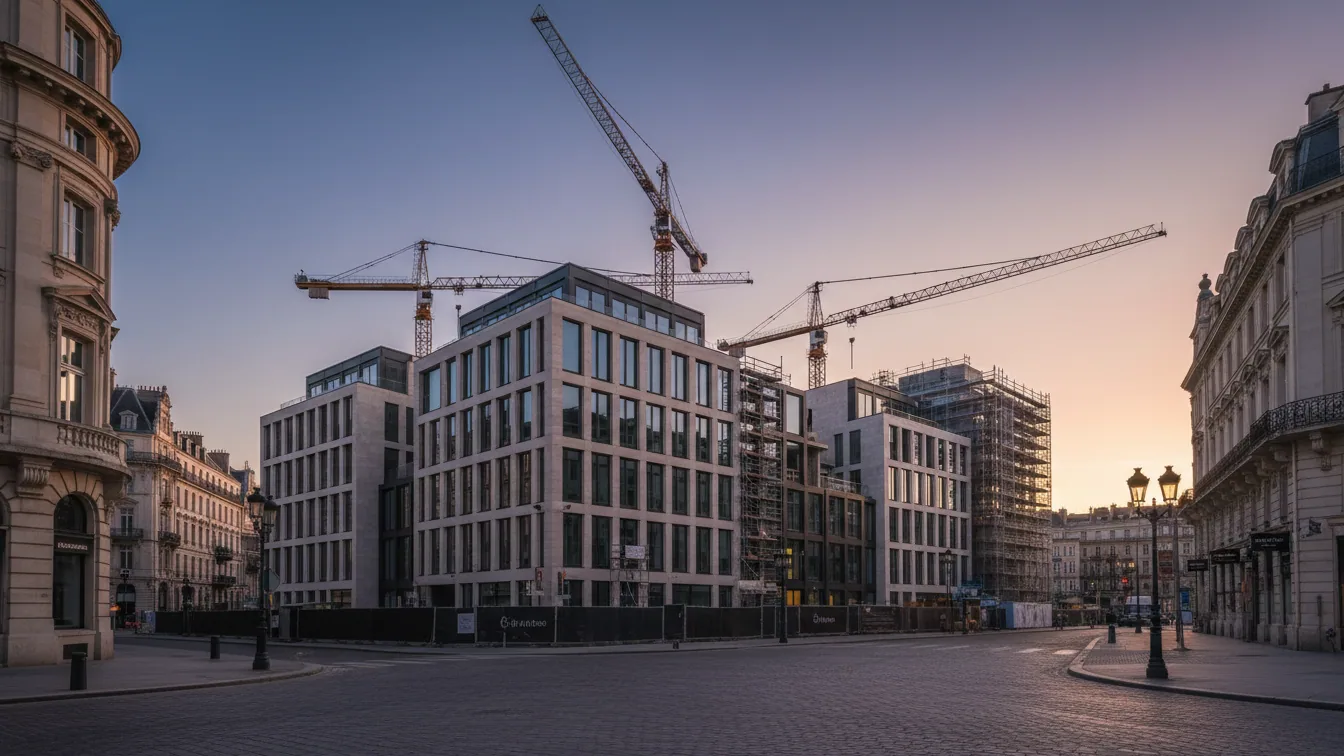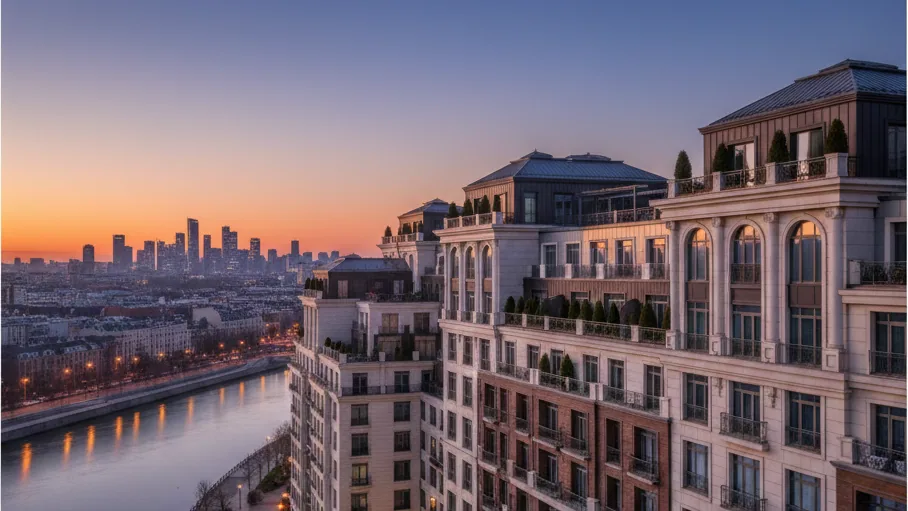
The Munich commercial real estate market is showing clear signs of recovery, especially in the high-quality office space segment, despite ongoing challenges. Peter G. Neumann, Managing Partner of Rock Capital Group, notes that demand for city-centre locations, as well as flexible and innovative real estate products that clearly stand out from the standard, is a defining characteristic. Projects such as the HEAVEN business district on the former Bruckmann site and the MONACO are reportedly seeing increased interest from tenants seeking architecturally or conceptually outstanding products in suitable locations.
A key factor for Munich's attractiveness is its international price relativity. Although the Bavarian capital is considered Germany's most expensive office location, it remains more affordable compared to European top markets such as London or Paris. While prime rents in Munich for high-quality properties can now exceed 80 EUR per square metre, prime rents in London and Paris are significantly higher. Up to 170 EUR per square metre per month is reported for London's West End, and the Paris CBD reaches around 100 EUR per square metre per month, according to Knight Frank. From an international perspective, including metropolises like New York or Hong Kong, Munich appears to be price-advantageous despite increased rents. According to Neumann, this means there is also a higher willingness to pay for exceptional products in suitable locations.
Robust Start to the Year and Differentiated Market Development
This development correlates with current market data for the first half of 2026, which show significant momentum in office space take-up compared to the previous year. Brokerage firms such as CBRE and JLL report a significantly increased office space take-up in Munich. CBRE reported a take-up of approximately 155,000 square metres for the first quarter of 2026, representing an 18 per cent increase year-on-year. JLL put the take-up for the same period at 164,900 square metres, also above the previous year's figure. This development was driven in particular by larger lease agreements and an increased concentration of demand for high-quality spaces in central and well-connected locations.
At the same time, outdated spaces in less attractive locations are increasingly coming under pressure. In contrast, modern, sustainable, and differentiated products are benefiting. A selective market behaviour is also evident in the Munich surrounding area. In Aschheim, for example, Rock Capital Group is experiencing ongoing letting success with the HEADS property, which convinces with a comprehensive concept of new-work elements such as roof terraces, atria, an in-house restaurant, and a crèche. This indicates that tenants in Munich's commuter belt are looking for either very high quality or very favourable conditions.
Munich's growing importance as a technology, research, and AI hub provides additional tailwind for the market. International technology companies have expanded their presence in the city or announced new locations. Large-volume lettings in the first quarter of 2026 demonstrate the Munich market's ability to accommodate large space requirements even in a challenging environment. The metropolis thus combines international appeal with a stable economic base.