T
he coming year is expected to bring steadier footing to the U.S. housing market, yet a handful of regional metros stand out for their blend of affordability and seller upside. Realtor.com researchers have pinpointed ten markets—almost all in the Northeast or Midwest—that are forecast to experience strong growth driven by rising sales, price gains, or both.
These high‑performing enclaves share a common theme: they offer better value than the larger, high‑priced metros nearby, yet chronic inventory shortages and robust demand keep prices climbing. For buyers, this translates into tighter competition and quicker price appreciation; for sellers, it signals a favorable environment with potential upside next year.
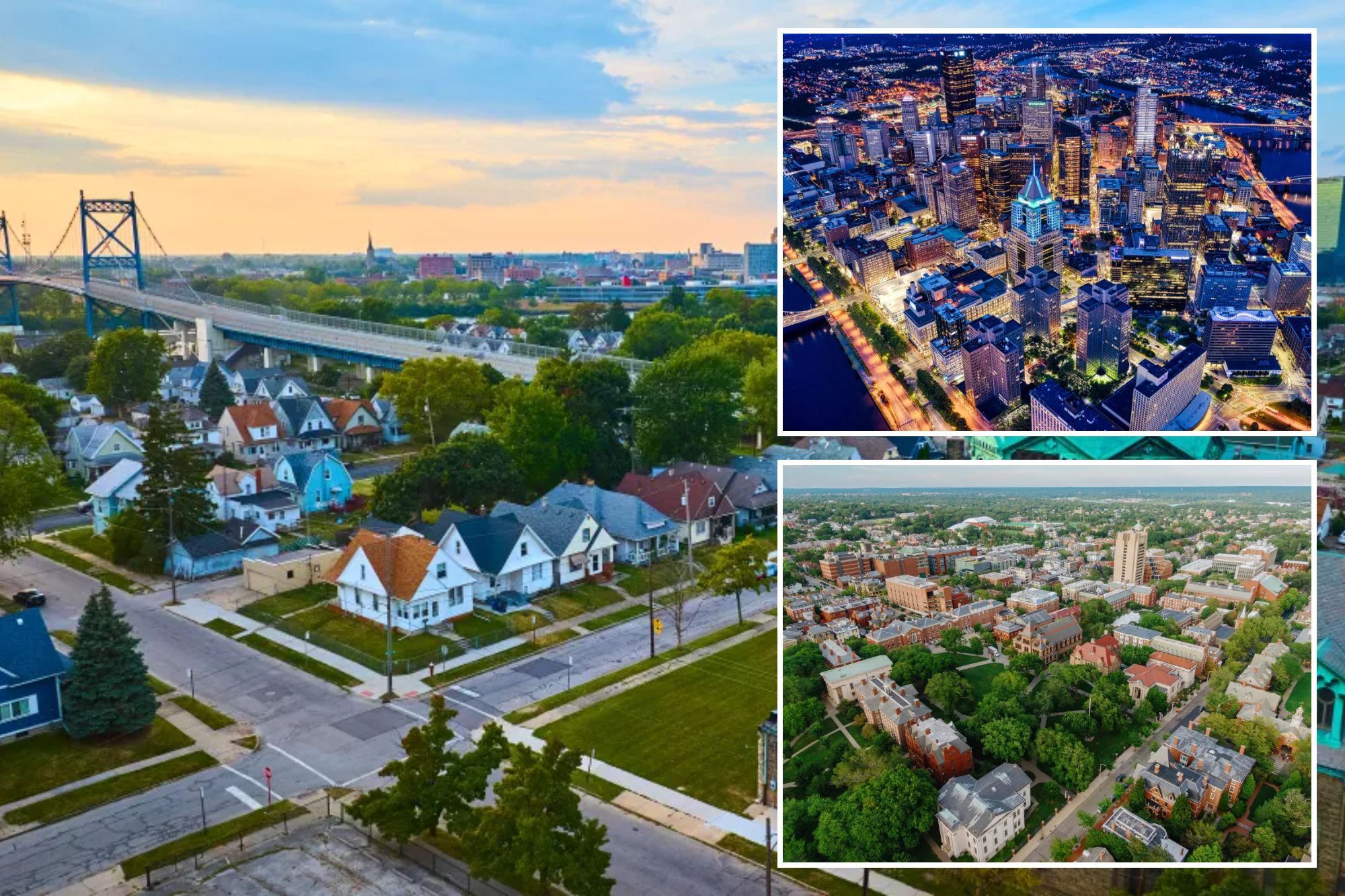
The markets are attractive to buyers with solid credit and larger down payments, and they tend to host older, more stable households, with median ages in the 50s. Across the top 100 U.S. metros, Hartford, CT, tops the list with projected growth exceeding 17% in 2026. The city is expected to see a 7.6% rise in existing‑home sales and a 9.5% jump in median sale price year over year. Rochester, NY, follows with 15.5% growth, Worcester, MA, at 15%, Toledo, OH, at roughly 12%, and Providence, RI, at 11.2%. Other value hubs include Richmond, VA (10.6%), Grand Rapids, MI (10.6%), Milwaukee (10.5%), New Haven, CT (10%), and Pittsburgh, PA (9.7%).
These markets owe much of their appeal to proximity to pricier metros such as New York City, Washington, DC, and Boston. Buyers facing high prices and mortgage rates are drawn to the “refuge markets” of the Midwest and Northeast, where affordability remains strong while price gains stay robust. Grand Rapids, for example, is the nation’s top refuge market, with a 5.5% annual increase in price per square foot and an overall appreciation of over 15% since 2022.
The median list price across the 2026 top ten markets averages about $384,000—well below the national median of $415,000 in November—making them especially appealing to first‑time buyers and transplants from pricier regions. Hartford’s median list price in November was $429,000, up 5.6% from a year earlier and still more than $320,000 cheaper than New York City. Providence’s median price was $550,000, the highest among the top ten but a bargain compared to Boston’s $785,000. Out‑of‑state buyers account for nearly a quarter of Rhode Island’s home sales and over 40% of transactions above $1 million, attracted by the state’s lower price point relative to Massachusetts.
Demand and buying activity are expected to stay strongest in smaller Northeast and Midwest markets where buyers can stretch their dollars while accessing jobs. Several of the ranked metros are less “locked in” by lower, pandemic‑era mortgage rates than expensive coastal metros like Los Angeles and Portland, ME. In Rochester, Toledo, and Pittsburgh—the three most budget‑friendly cities on the list—the gap between existing mortgage payments and new buyer payments at current rates is well below the national median of roughly 73%. For instance, a Rochester homeowner selling and buying a new home locally would face a monthly payment about 44% higher than the typical outstanding mortgage.
Inventory remains tight across the top ten metros. As of November, Hartford’s active listings were 74% below pre‑pandemic levels, followed by New Haven (60%) and Providence (55%). Even Pittsburgh, the largest metro in the top ten, remains 31% below 2019 supply levels. Low construction activity in the Northeast and Midwest means newly built homes make up a smaller share of listings than the national average, and when they do appear, they tend to be expensive. Economists predict that limited inventory will continue to lift prices in these already hot markets, which have strengthened since mortgage rates began climbing in 2022 but still sit below regional averages.
The combination of lower price points, strong appreciation, and rising inventory is expected to create dynamic conditions, including more listing views, faster sales, and strong cross‑market demand from households moving from high‑cost‑of‑living areas. Realtor.com forecasts slightly lower mortgage rates, averaging 6.3% in 2026, which should help pull buyers off the sidelines, especially in metros offering good value. Lower rates, coupled with the increase in listings seen since early last year, should ease affordability concerns. Unless major economic shocks occur, the market is expected to trend toward a more normal state next year.