T
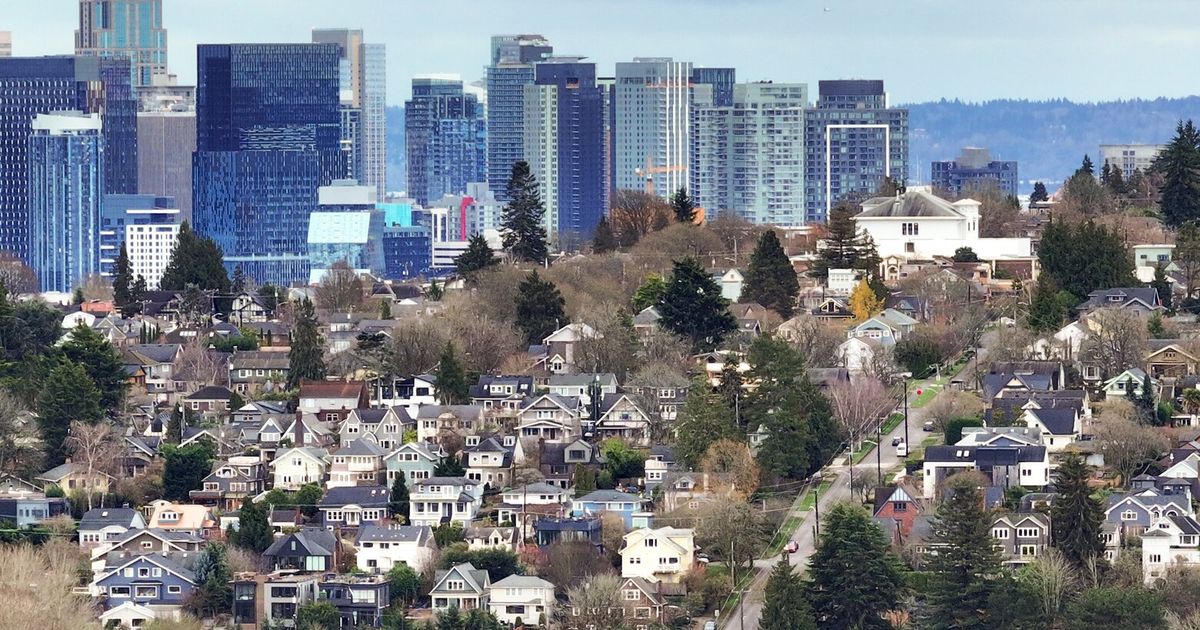
he Seattle‑area housing market is entering a new phase. 2025 has been a sluggish year, with prices holding steady and sales dipping slightly. Experts predict that by 2026, prices will largely remain flat while the number of transactions will rise, offering a modest reprieve for buyers who have watched prices climb since the pandemic and for sellers who have been waiting for the right moment.
**1. Prices stay flat, sales climb**
Economists expect home values to stay near current levels. Zillow, Redfin and Bright MLS project a 1 % nationwide rise; the National Association of Realtors sees a 4 % increase. In contrast, Windermere’s Jeff Tucker foresees no growth in Puget Sound, citing a return to pre‑pandemic inventory that has tipped the market toward buyers. Sales in the region are projected to grow 4.7 % in 2026, with a stronger spring season and slightly lower mortgage rates encouraging more buyers. Tucker notes that sellers may need to adjust prices or accept lower offers, but the expected uptick in activity should offset the sluggishness of 2025. Redfin’s Daryl Fairweather echoes this optimism, pointing to the easing of borrowing costs as a catalyst for first‑time buyers.
**2. Mortgage rates edge toward 6 %**
The average 30‑year fixed rate hovered around 6.6 % in 2025 and 6.7 % in 2024. Forecasts from the National Association of Realtors, Redfin, Zillow and Windermere all point to a modest decline to roughly 6 % next year. Although rates have already fallen to about 6.2 % since October, they are unlikely to dip below 6 % even with anticipated Fed cuts, because mortgage rates track the 10‑year Treasury yield rather than the federal funds rate. Moody’s analyst Matthew Walsh explains that the yield has not yet adjusted fully to rate‑cut expectations, and broader economic concerns keep it elevated. Buyers who accept that rates will plateau may be more willing to enter the market.
**3. Rent growth slows but persists**
Rent increases have decelerated sharply this year, a trend that is expected to continue into 2026. The Seattle‑area average rent sits near $2,000 per month. In Seattle itself rents were flat, while Bellevue, Kirkland and Everett saw up to 5 % gains; some suburbs experienced declines of up to 7.6 %. The influx of new apartment supply during the low‑interest‑rate pandemic has tempered growth. Washington’s new rent‑cap law (10 % or inflation, whichever is lower) also helped curb steep hikes. CoStar projects a modest 2.4 % rise by the end of 2026—about $50 for a typical one‑bedroom unit—though slower job growth and reduced immigration could keep the uptick modest. Apartment permitting in Seattle is down 43 % from last year, and construction costs have risen, limiting new supply.
**4. Office leasing rebounds**
The commercial sector is poised for its strongest leasing year since the pandemic. JLL’s Lisa Stewart notes that many firms are returning to the office, driving long‑term leases and demand for spaces with amenities. The AI boom and new tech firms relocating from the Bay Area have spurred interest. In 2025, roughly 7 million square feet of office space will be leased—matching last year and up 40 % from 2023. For 2026, Stewart forecasts 7.2 million square feet, the highest since the pandemic began. Despite this, new construction is unlikely to surge; investors are instead modernizing existing buildings, and lenders remain cautious amid slower regional population growth.
**5. Incomes outpace home prices**
For the first time since the Great Recession, wages are projected to grow faster than home values. Redfin’s Fairweather sees this as a turning point, giving buyers more disposable income. However, the lingering impact of high mortgage rates and rising healthcare costs means many will still find homeownership out of reach. While 2026 may be slightly better than 2025, the overall affordability gap remains significant.
In sum, Seattle’s real estate landscape in 2026 is expected to feature stable prices, increased sales activity, modest mortgage rate relief, slower rent growth, a rebounding office market, and wages that begin to outpace housing costs.