M
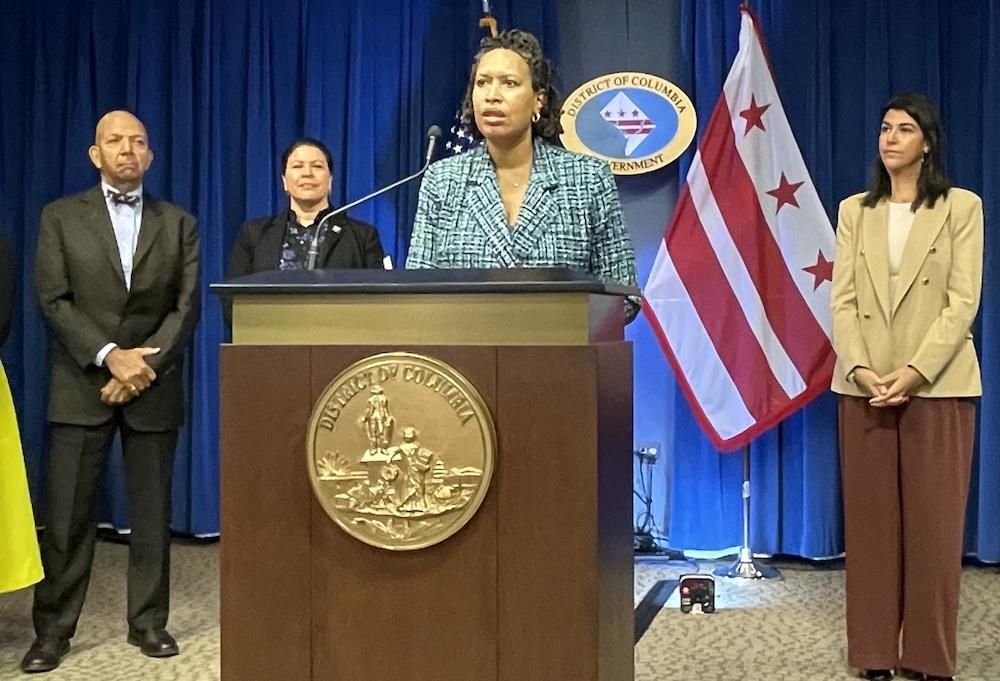
ayor Muriel Bowser’s decision not to seek a fourth term has opened Washington, D.C.’s mayoral race, sparking unease among real‑estate stakeholders who fear a shift away from the city’s historically business‑friendly leadership. The primary, slated for six months away, is still forming, but the prospect of a new mayor who may not prioritize development has become a central concern for developers, landlords, and investors.
Dean Hunter, CEO of the Small Multifamily Owners Association, voiced anxiety over the political future. “I’m very anxious as to what the future political landscape will look like,” he said. Hunter warned that a surge of democratic socialist sentiment—exemplified by figures like New York’s Zohran Mamdani—could influence the D.C. race. “The democratic socialists are champing at the bit right now. They have a shot to go after the mayor,” he added.
Developers point to a decline in investor interest this year, citing the Trump administration’s cuts to federal agencies, the deployment of troops on the streets, and the longest U.S. government shutdown. Economists have cautioned of a localized recession. A leftward tilt in the Wilson Building could damage the city’s reputation among high‑net‑worth decision‑makers. “There are a lot of eyes on the city, there are brand and reputational challenges we’re facing now across the country, and as investors look where they want to spend dollars, they have options all over the country … so we want to make sure we have a leader who is sensitive to that,” said Jamie Weinbaum, CEO of Horning.
“We’re concerned if a candidate tries to prevent growth or business, or believes those aren’t the right sources to align with and doesn’t want to support that, then that will be a cause for concern,” Weinbaum added.
Despite a sharp drop in construction over the past two years, seven real‑estate leaders interviewed by Bisnow agreed that Bowser has been a positive force for development since taking office in 2015. In her first year, she allocated a record $100 million to the Housing Production Trust Fund, a vehicle that fills gaps in affordable‑housing budgets and has become a key financing tool for developers. The fund remained at or above that level for most of the decade.
In 2019, Bowser set a goal of building 36,000 housing units by 2025, including 12,000 affordable units. D.C. surpassed the overall target with over 40,000 units built, but remains short of the affordable goal by roughly 1,500 units, according to the city’s tracking page. Urban Atlantic, a developer that delivered 3,000 units during Bowser’s tenure—including city‑subsidized affordable housing and the Whole Foods‑anchored Parks at Walter Reed on city‑owned land—credited its success to Bowser’s support. “I don’t think we could have done that without her support and guidance,” said managing partner Vicki Davis.
Bowser’s tenure has been marked by a flurry of groundbreaking and ribbon‑cutting events. Billion‑dollar megaprojects such as The Wharf, City Ridge, Capitol Crossing, Parks at Walter Reed, and St. Elizabeths East, as well as the rapid development of the Navy Yard and NoMa‑Union Market, all unfolded under her watch. “That was all under her watch, and I think she did a phenomenal job,” said Monty Hoffman, Chairman of Hoffman & Associates and a key figure behind The Wharf.
Real‑estate leaders also praised Bowser’s handling of the city’s relationship with the federal government, her leadership during the COVID‑19 pandemic, and her push to revitalize downtown. The pandemic‑driven remote‑work trend damaged the office market in the central business district, and the downtown area was nearly crippled when Monumental Sports announced it would move the Capitals and Wizards to Virginia. Bowser negotiated a deal last year to keep the teams in D.C. and renovate Capital One Arena. This year, she secured a $3.8 billion agreement to bring the Washington Commanders back to the city and build a new sports and entertainment complex on the former RFK Stadium site. She also pushed through the Rental Act, a bill aimed at stabilizing the rental market and encouraging investment, which passed the council in September with strong landlord support.
Since Bowser announced she would not run again, the real‑estate industry has lauded her. The Small Multifamily Owners Association will honor her at its Dec. 13 Housing Policy Summit, and the Apartment and Office Building Association sent an email thanking her for her unwavering commitment to the city’s people.
However, real‑estate leaders fear the upcoming election could end a long period of stability for D.C.’s economic policies. The city has historically been led by pro‑growth moderates—Vincent Gray, Adrian Fenty, Anthony Williams, and now Bowser. “We’ve had a really successful string of mayors who have had pretty consistent viewpoints and policies when it comes to supporting growth and supporting the business community, understanding that a healthy business climate makes for a healthier city,” Weinbaum said.
The only local lawmaker who has announced a run for mayor so far is Council Member Janeese Lewis George, a self‑described democratic socialist who reportedly plans a “Mamdani‑style campaign” and is looking to hire people who helped win the NYC mayor’s race. Hunter warned that Lewis George would be a disaster for the city’s economic viability. “She has pursued policies on the council that show a disregard, a lack of awareness of basic business principles,” he said. In 2022, Lewis George sponsored a Green New Deal for Housing Act that would have created publicly owned social housing, but the legislation failed to pass. She also voted against Bowser’s Rental Act.
Other real‑estate leaders declined to comment on Lewis George but voiced broader concerns about electing a mayor who would make it harder to do business. One local executive, Gary Goodweather, a managing principal at GME Investments, has launched a long‑shot campaign for mayor. A more well‑known candidate who is viewed as business‑friendly is Council Member Kenyan McDuffie, who chairs the council’s Committee on Business and Economic Development. SMOA’s Hunter said he is waiting to see the final field but will probably support McDuffie, noting that he would likely receive substantial support from the business community and the rental housing industry. Weinbaum also said he is waiting to see the full field before deciding, but praised McDuffie’s collaboration with business leaders.
AOBA Vice President of Government Affairs Eric Jones said the organization has worked more with McDuffie than with Lewis George due to the former’s committee leadership, but it isn’t ready to endorse anyone yet. “We hope whoever becomes the next mayor understands that while you have your ideals and vision, if you’re not willing to work with people through the entire process, you’re willing to fail,” Jones said.
Stonebridge principal Doug Firstenberg, who recently completed the redevelopment of the former WMATA headquarters in Chinatown into trophy offices, said he hopes the next mayor understands the challenging economic and political environment the city faces. “District revenues have surged tremendously during the mayor’s tenure, but they’re not soaring now,” he said. “So, bringing a practical approach to balancing the need to invest to create more revenue but understanding the limits on spending today is critical.”
Hoffman, speaking at a Bisnow event with hundreds of industry players, said the city has “some issues here we need to get through, not the least of which is a new mayor.” He urged attendees to look for a business‑friendly candidate. “Obviously, it’s in the formative stages, but this is something that’s going to matter to us in the next year.”