A
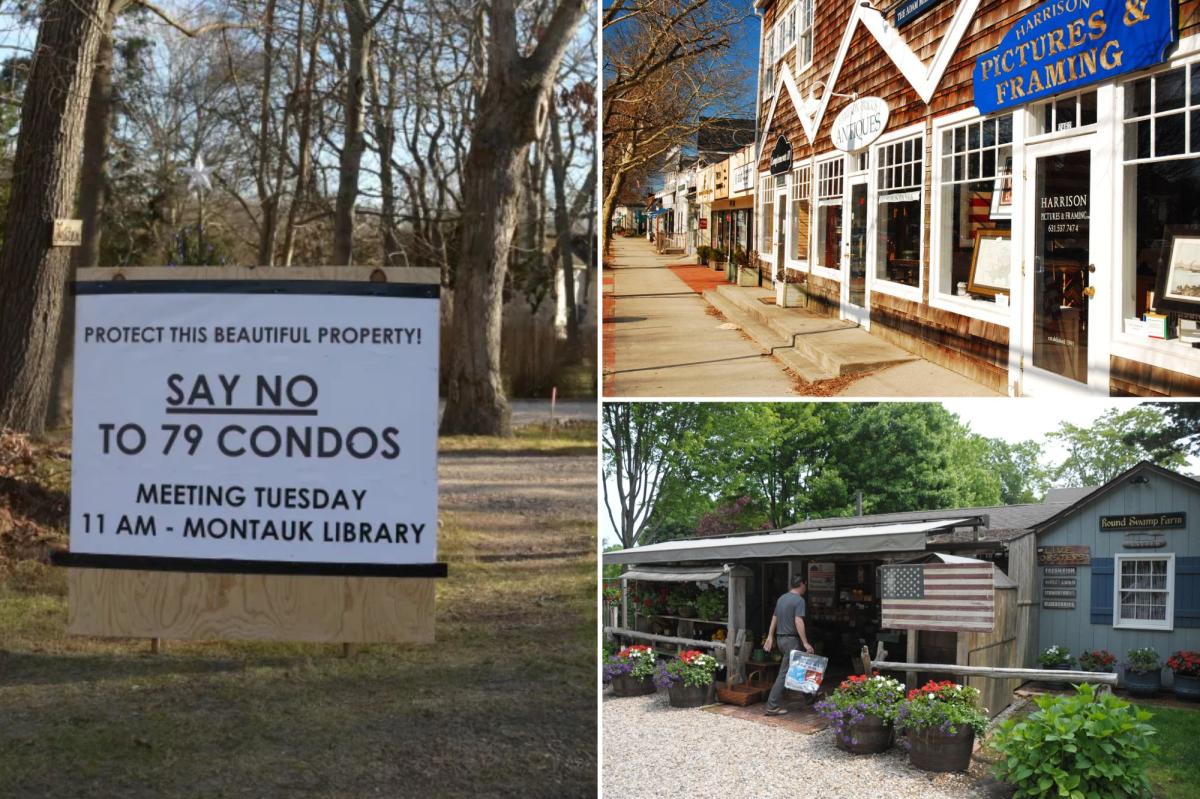
n attempt to convert two farmland parcels into 79 affordable condominiums sparked a swift backlash in East Hampton, ending the proposal within a week. Developer Kirby Marcantonio presented the plan to the Town Board for units on the sites at 152 Three Mile Harbor Road and 33 West Drive. The parcels had been listed for $5.62 million; Marcantonio had secured a purchase agreement. The proposal required rezoning into the Affordable Housing Overlay District, allowing a density far above the standard limit.
Marcantonio argued that the private sector could ease the area’s housing crisis, noting that many local employees, including half of the town’s police force, live in neighboring Smithtown because of unaffordable local costs. “If you don’t house, you can’t hire,” he told The Post.
Residents reacted quickly. A petition launched by Round Swamp Farm owner Carolyn Snyder on Change.org gathered over 2,700 signatures, titled “DENY the Zone Change Request for 79 Condos.” Critics objected to the model: condos would be sold to employers, not to individual residents, and the projected sale price did not match the community’s definition of affordable housing.
The town’s decision process faced criticism for lacking a public hearing and for taking place in winter when few residents were present. Town Supervisor Kathee Burke‑Gonzalez announced that the proposal would not move forward, citing that it did not meet the town’s affordable housing criteria and would not reflect the area’s character. Consequently, Marcantonio and his partners withdrew the purchase contract.
Despite the setback, the developer remains active. He is pursuing a separate 45‑unit affordable project at 350 Pantigo Road, a parcel already zoned for affordable housing and idle for decades. Marcantonio’s team is designing townhouses for essential workers such as teachers, healthcare providers, and local business employees. This project is progressing without a zoning battle because the land is already designated for affordable use.
Community sentiment remains divided. At a town board meeting on December 9, residents voiced ongoing concerns, with Round Swamp Farm co‑owner Brian Niggles expressing frustration over the uncertainty surrounding the area’s future. While the 79‑unit proposal has been shelved, the debate over how best to provide affordable housing in East Hampton continues.
Marcantonio acknowledges that the current site may not be suitable and suggests exploring alternative locations if necessary. He remains committed to finding a solution that balances the needs of workers and the character of the community.